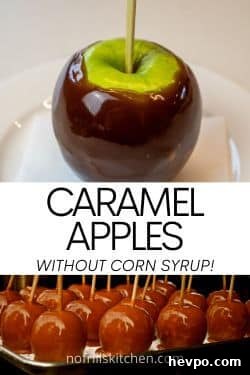
Making caramel apples without corn syrup is easier than you might think. From start to finish you can make this classic autumn treat in under an hour. While corn syrup can help reduce crystallisation, you can omit it and still achieve a rich, chewy caramel with good technique and a few simple ingredients.
This recipe uses only a handful of ingredients and scales easily depending on how many caramel apples you want to make. Below are clear steps, tips and common pitfalls so you can produce reliably delicious caramel apples without corn syrup.
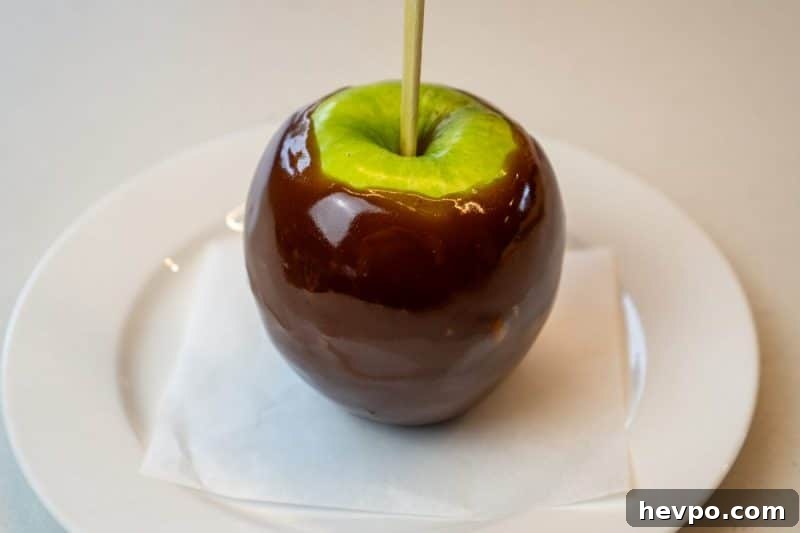
How to Make Caramel Apples Without Corn Syrup
Preparation and timing matter. The caramel requires attention while cooking, so have your tools and ingredients ready before you begin.
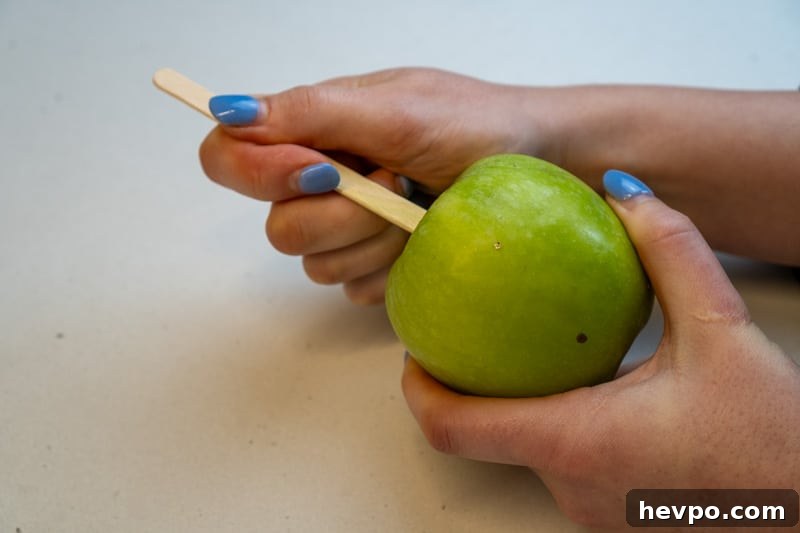
Chill your apples in the refrigerator before starting. Cold apples help the caramel set more quickly and reduce the chance of the coating sliding off after dipping. When you’re ready, remove the stems and insert a popsicle stick, wooden skewer or sturdy chopstick into the stem end, pushing the stick about halfway into the apple so it’s secure.
Line a baking tray with parchment paper to catch the dipped apples. Place a small dish of water and a pastry brush near the stove; you’ll use these to wash down sugar crystals from the pan sides once the syrup begins to boil.
Begin the caramel by dissolving sugar in a small, heavy-bottomed saucepan. Use 1 part water to about 4 parts sugar by weight (a common ratio is 60ml water for 200g sugar). Caster (superfine) sugar dissolves faster, but regular granulated sugar will work if you allow more time.
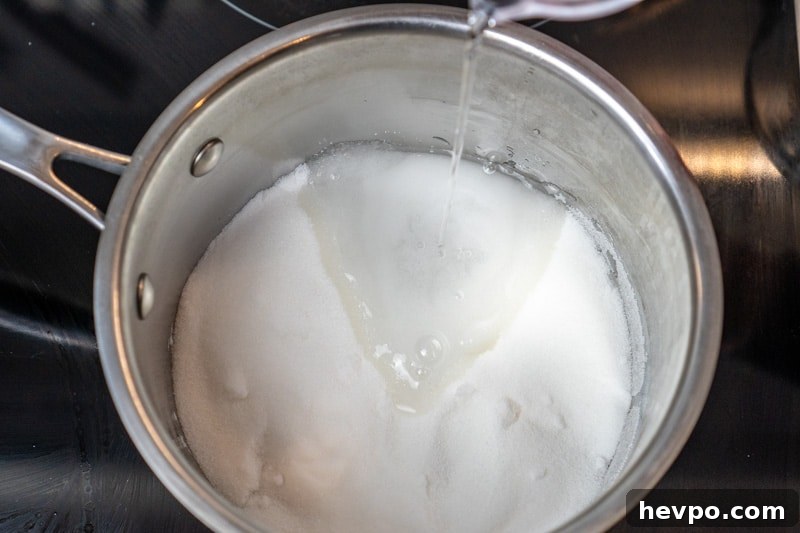
Set the pan over medium-low heat and stir constantly with a heatproof spatula until the sugar is completely dissolved. This is crucial—do not allow the mixture to boil before the sugar has dissolved, as undissolved crystals can encourage recrystallisation. If the pan seems to be heating too fast, remove it from the heat briefly while stirring to cool it down.
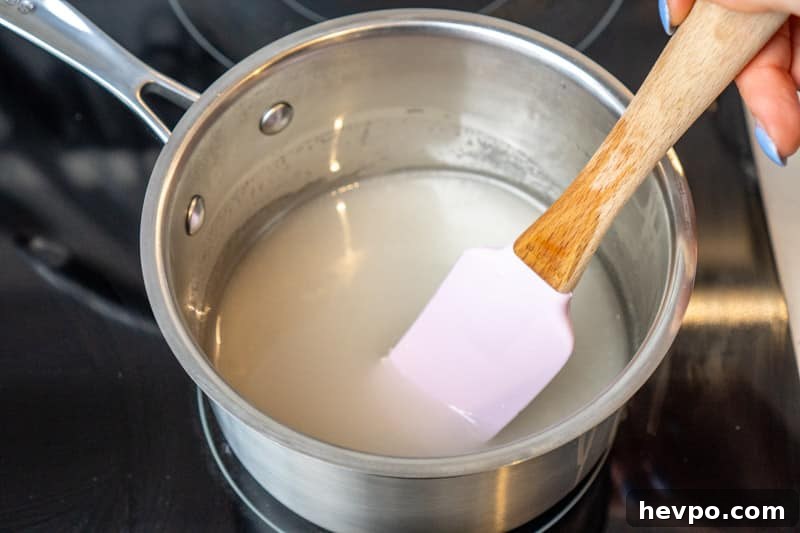
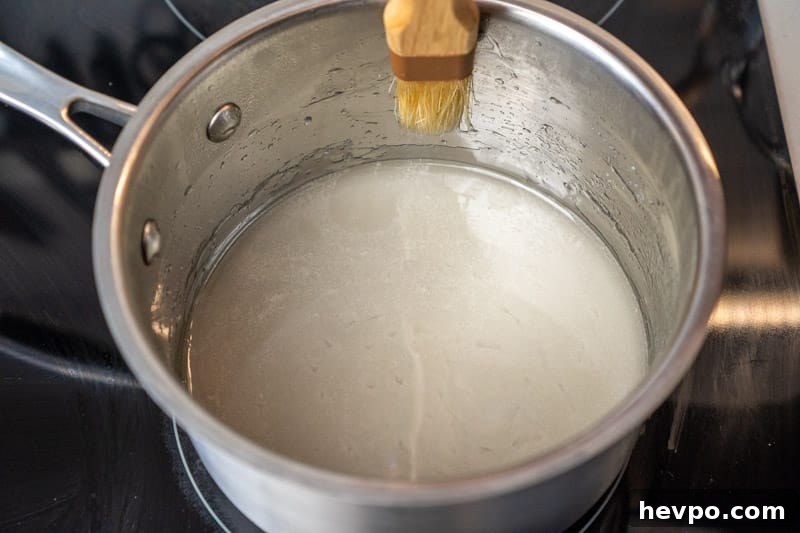
Once the sugar is dissolved, stop stirring and allow the syrup to come to a gentle boil. When it begins to simmer, use the pastry brush dipped in water to wash down any sugar crystals clinging to the pan sides. This helps keep the syrup smooth.
Let the syrup boil undisturbed, swirling occasionally to distribute heat, until it begins to change color from pale to a light honey shade, then deepen to amber. This usually takes 10–20 minutes depending on heat intensity. The darker the caramel, the more complex and slightly bitter the flavor; be careful, as it can go from amber to burnt quickly.
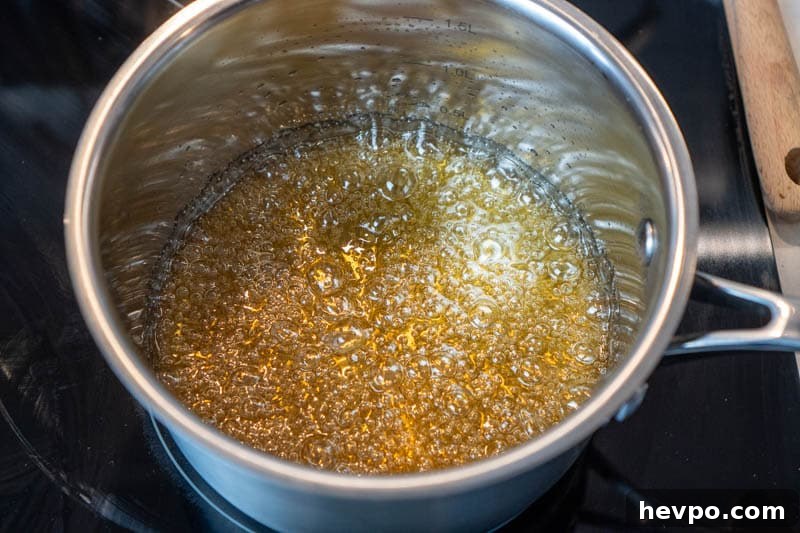
When the syrup reaches your desired amber color, remove the pan from the heat and carefully pour in an equal weight of chilled heavy cream to sugar (for example, 200g cream to 200g sugar) along with a good pinch of coarse sea salt. The mixture will sputter and foam; this is normal. Stir constantly to combine.
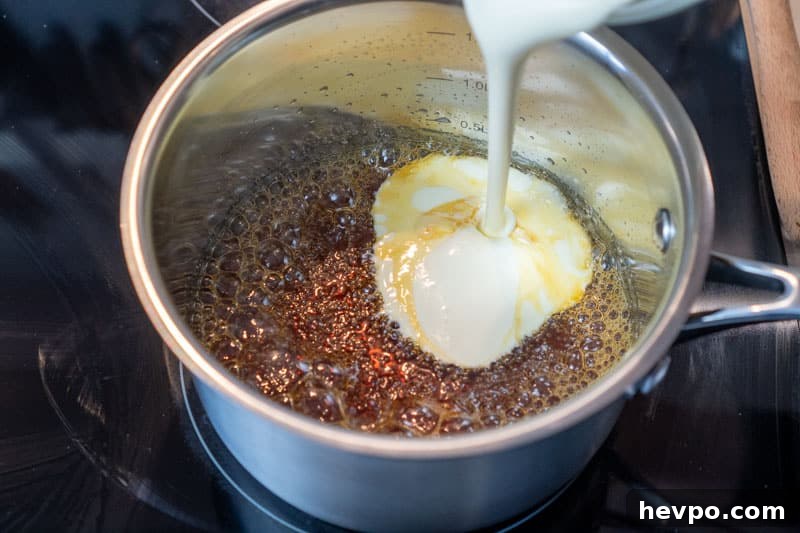
Return the pan to low heat and cook, stirring, until the caramel reaches about 250°F (120°C) on a candy or instant-read thermometer (the hard-ball stage). If you don’t have a thermometer, drop a small spoonful into iced water—if it forms a firm but pliable ball, it’s ready.
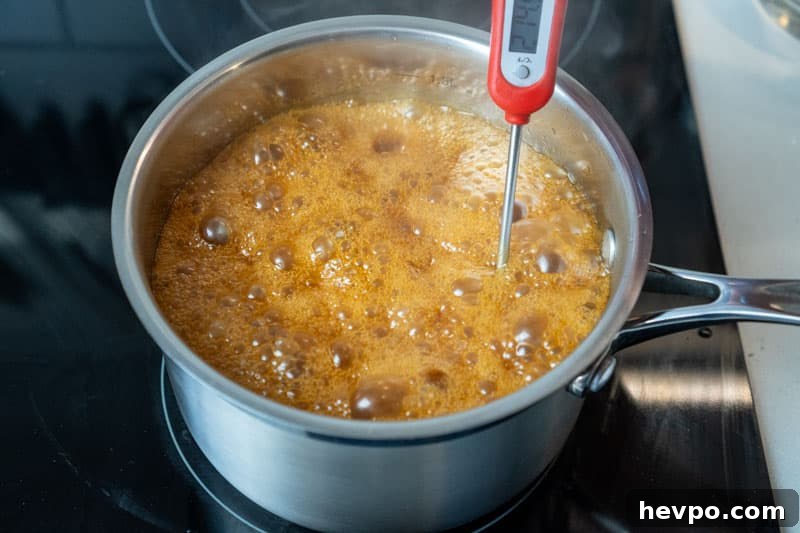
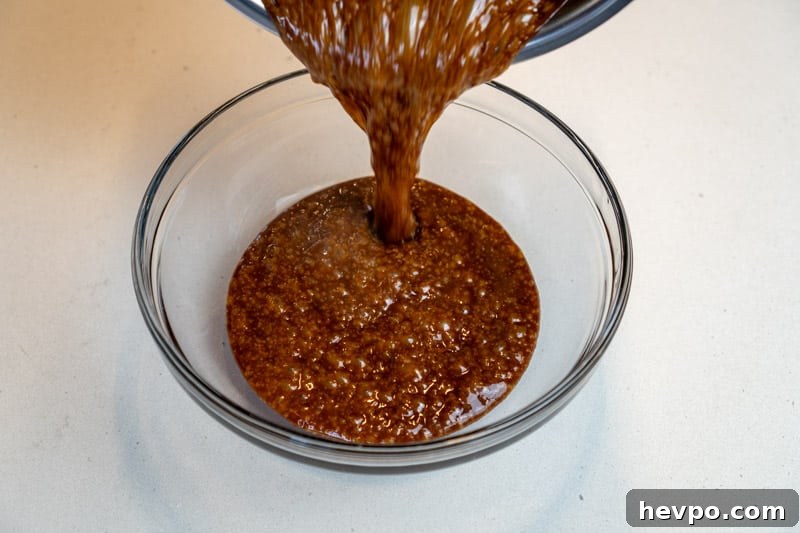
Remove the caramel from the heat and pour it into a heatproof bowl. Cooling the caramel in a bowl speeds the cooldown and makes dipping easier. Let it cool for a few minutes until the temperature falls to around 212°F (100°C) or until it’s cool enough to coat the apples without sliding off.
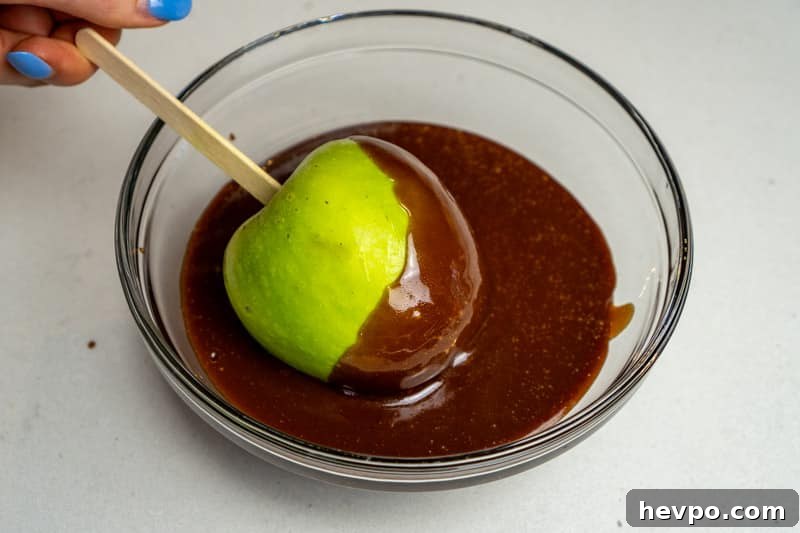
Dip each chilled apple by holding the stick and submerging the fruit into the caramel, turning to coat evenly. Allow excess caramel to drip off, then place the apple on the prepared parchment paper to set. If you prefer, roll the freshly dipped apples in chopped nuts, sprinkles or other toppings before the caramel firms.
Let the caramel apples cool completely before serving. Store them in the refrigerator if you want them to keep for a few days; chilling helps prevent the caramel from sliding off the apples.
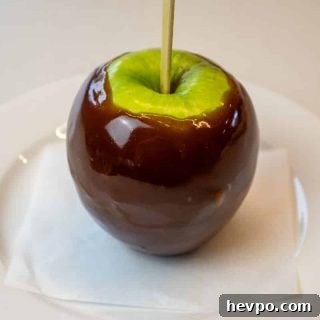
Caramel Apples Without Corn Syrup
Ingredients
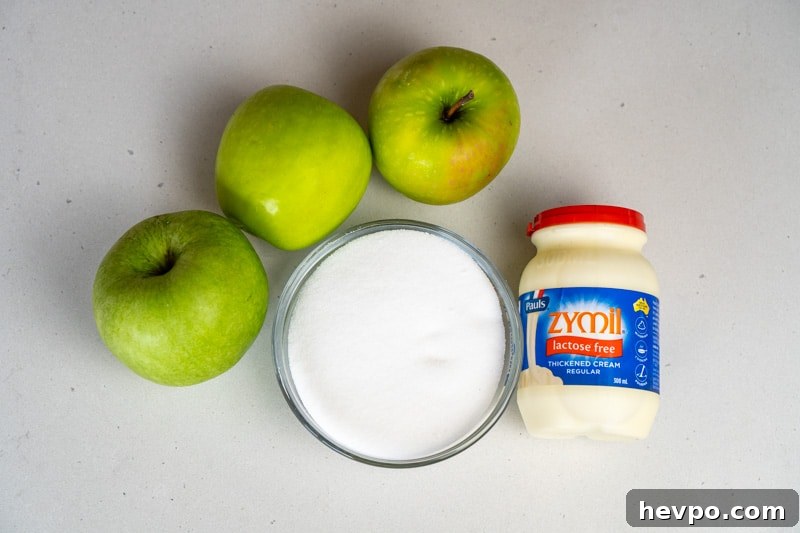
- 6 small Granny Smith apples thoroughly washed and chilled
- 200 g caster sugar (about 1 cup)
- 200 g heavy cream (chilled, about 1 cup)
- 5 g coarse sea salt (about 1 tsp)
Instructions
-
Insert a popsicle stick, skewer or chopstick into the stem end of each apple until the stick is about halfway down. Line a baking tray with parchment paper. Set a small dish of water and a pastry brush next to the stove.
-
Add the sugar to a small, heavy-bottomed saucepan and pour in ¼ cup (60ml) water. Over medium-low heat, stir constantly with a silicone spatula until the sugar is completely dissolved. If the mixture seems to heat too quickly, remove it briefly from the heat while stirring.
-
Once dissolved, stop stirring and let the syrup come to a boil. When it simmers, dip the pastry brush in the dish of water and wash down the sides to remove any sugar crystals.
-
Allow the syrup to boil, swirling occasionally, until it turns amber. This takes about 15–20 minutes; watch closely as it can darken quickly.
-
Remove from heat and carefully pour in the chilled cream and add the salt. Stir constantly. Return to low heat and cook until the caramel reaches 250°F (120°C) or passes the cold-water test (forms a firm but pliable ball in ice water). Pour the caramel into a heatproof bowl.
-
Let the caramel cool for about 5 minutes or until it reaches roughly 212°F (100°C). Dip each apple, allow excess to drip off, then place on parchment to set. Chill to store and prevent the caramel from sliding off.
Notes
2. Using salt by weight gives the most consistent results. Coarse sea salt and table salt differ in volume, so measure by weight when possible.
Nutrition
Making caramel apples without corn syrup is a straightforward way to enjoy a classic treat with just sugar, cream and salt.
Have questions about the recipe or tips to share? Leave a comment below.