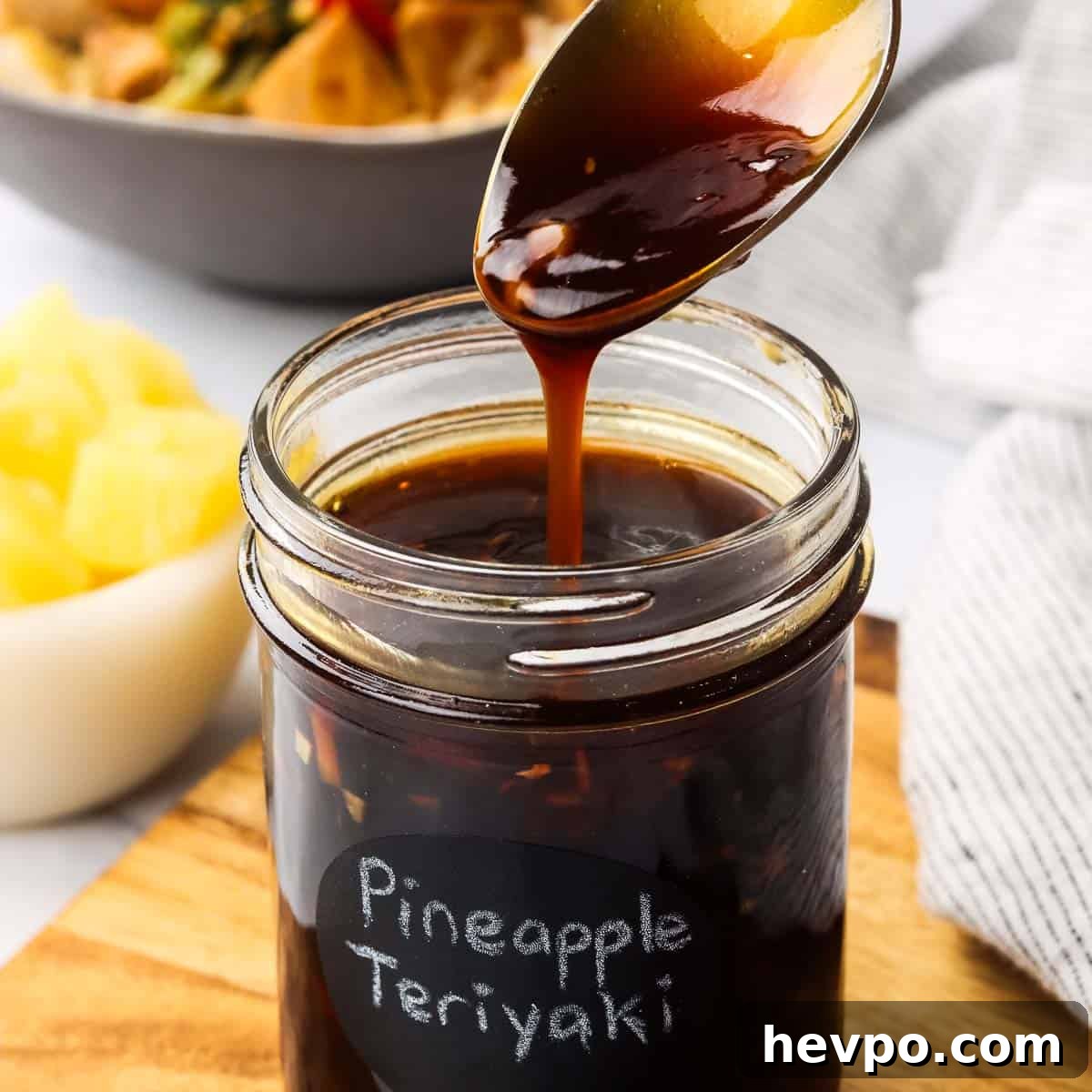
This homemade sweet and savory pineapple teriyaki sauce takes about 10 minutes to make and beats store-bought versions every time. Keep a jar on hand for quick weeknight stir-fries, grilled chicken, salmon, rice bowls, and more.
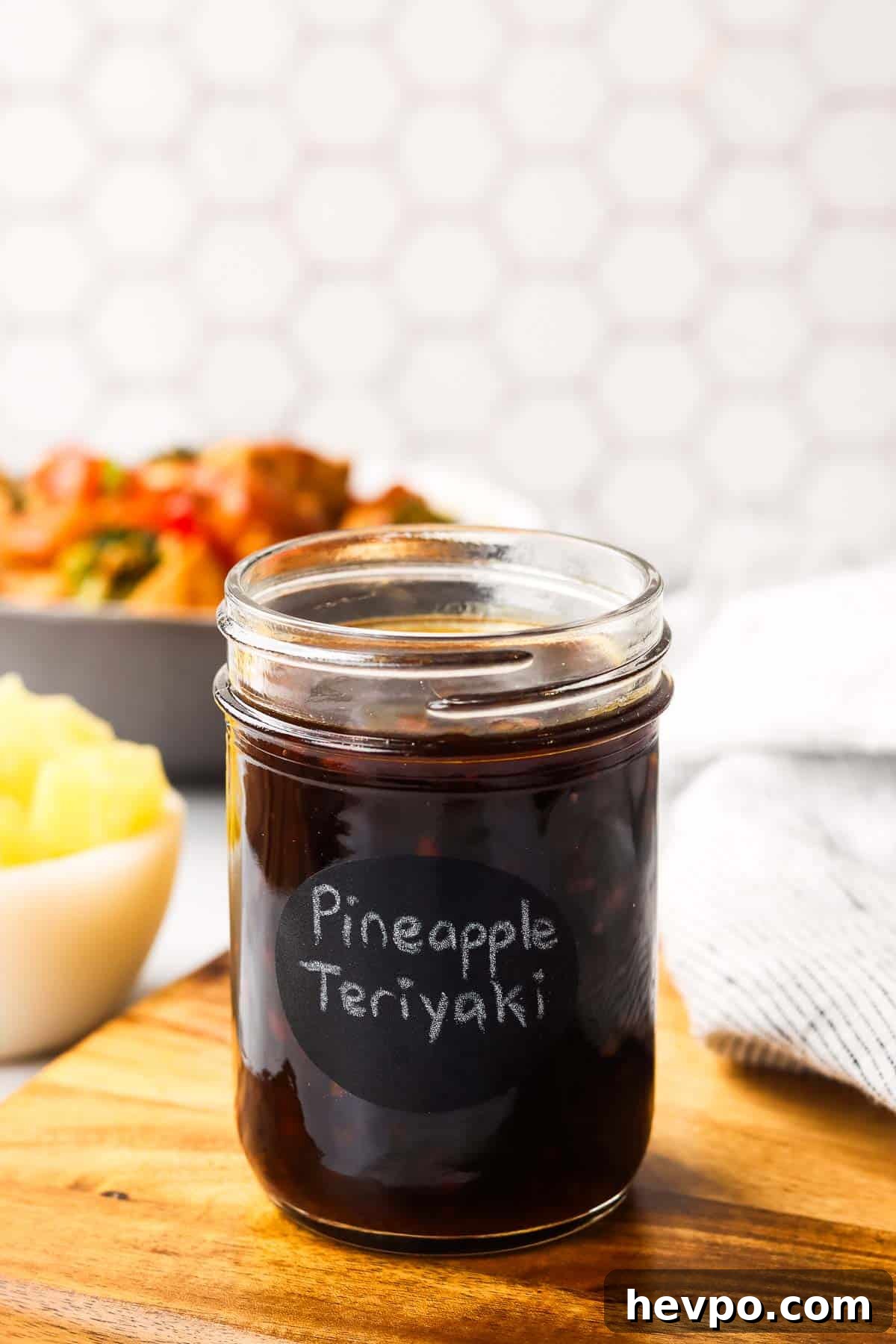
For many of us, teriyaki was one of the first introductions to the sweet-and-umami side of Asian-inspired flavors. Its sticky, savory-sweet profile is comforting and endlessly versatile—perfect on stir-fries, bowls, grilled proteins, and as a dipping sauce.
I love classic teriyaki, but when I first tried pineapple teriyaki—most notably in pineapple teriyaki chicken bowls—I was hooked. The pineapple adds a bright, fruity sweetness that lifts the sauce and pairs especially well with chicken, pork, and salmon. Since discovering it, I’ve used pineapple teriyaki on burgers, fried rice, salmon bowls, and more.
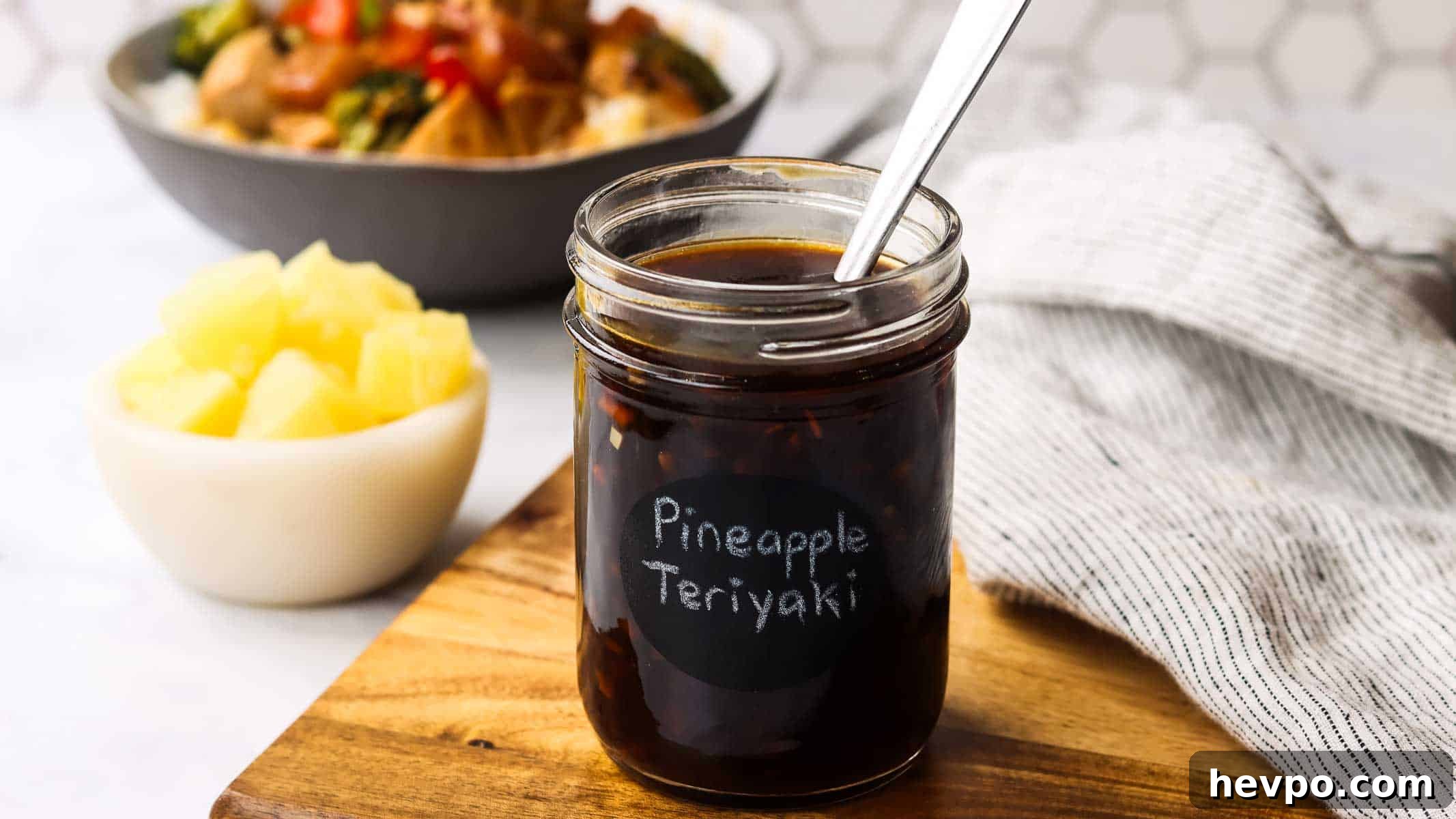
What is Teriyaki Sauce?
Teriyaki is a broadly Asian-inspired sauce that blends savory and sweet elements. Traditional versions combine soy sauce, a sweetener such as sugar or honey, and mirin, often with garlic and ginger for warmth. Western interpretations vary, but the core is always a balance of salty, sweet, and umami.
Adding pineapple juice intensifies the natural sweetness and introduces a fruity acidity that brightens the sauce and helps tenderize proteins. Pineapple teriyaki keeps the familiar teriyaki base while giving it a fresh, tropical twist that’s especially delicious on grilled or broiled fish and roasted meats.
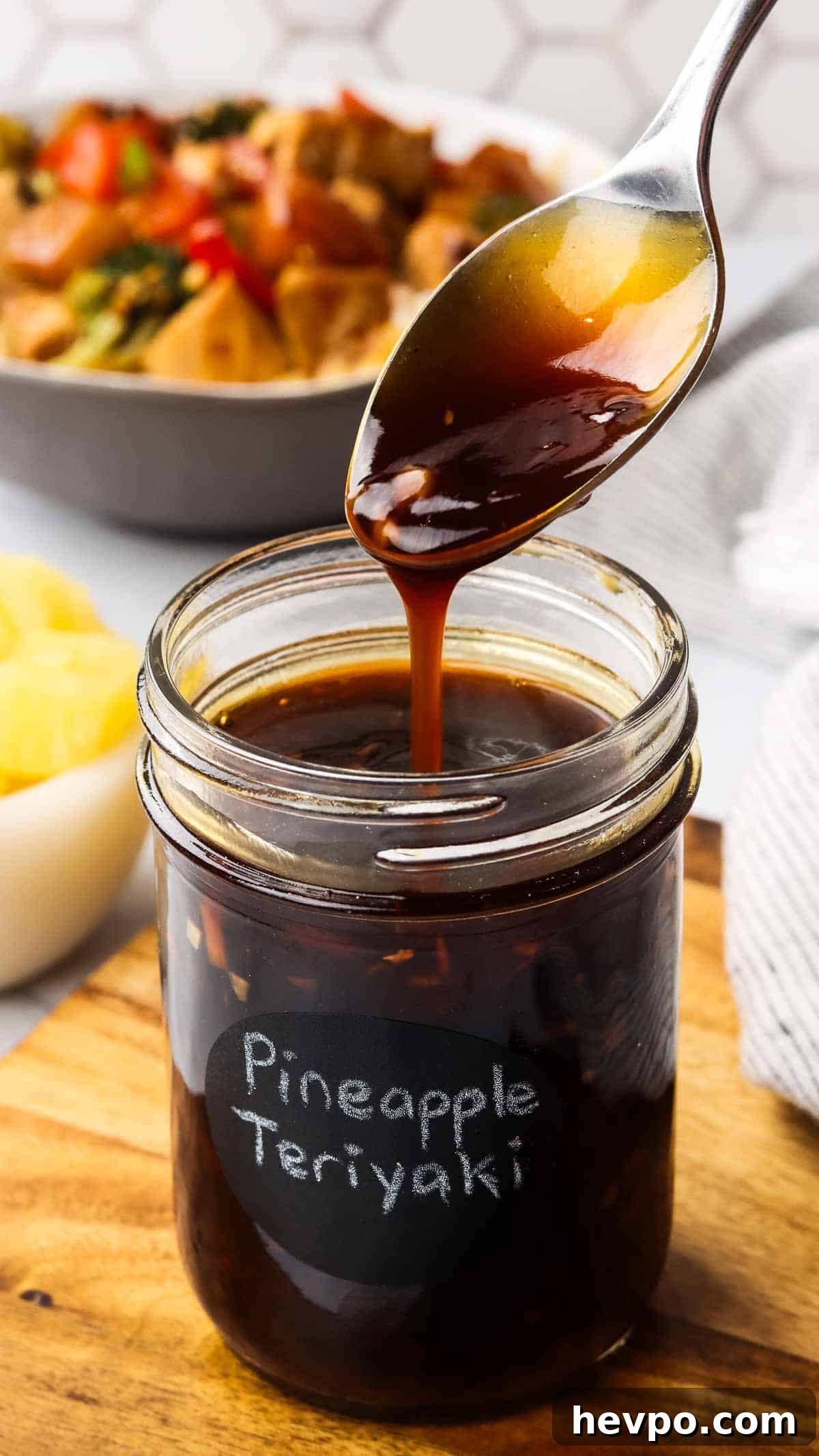
Homemade sauce is easy and fast—about 10 minutes from start to finish—and it usually tastes better than store-bought. This recipe uses simple pantry ingredients and yields a sticky, well-balanced sauce you can keep refrigerated or freeze for longer storage.
Ingredient Notes
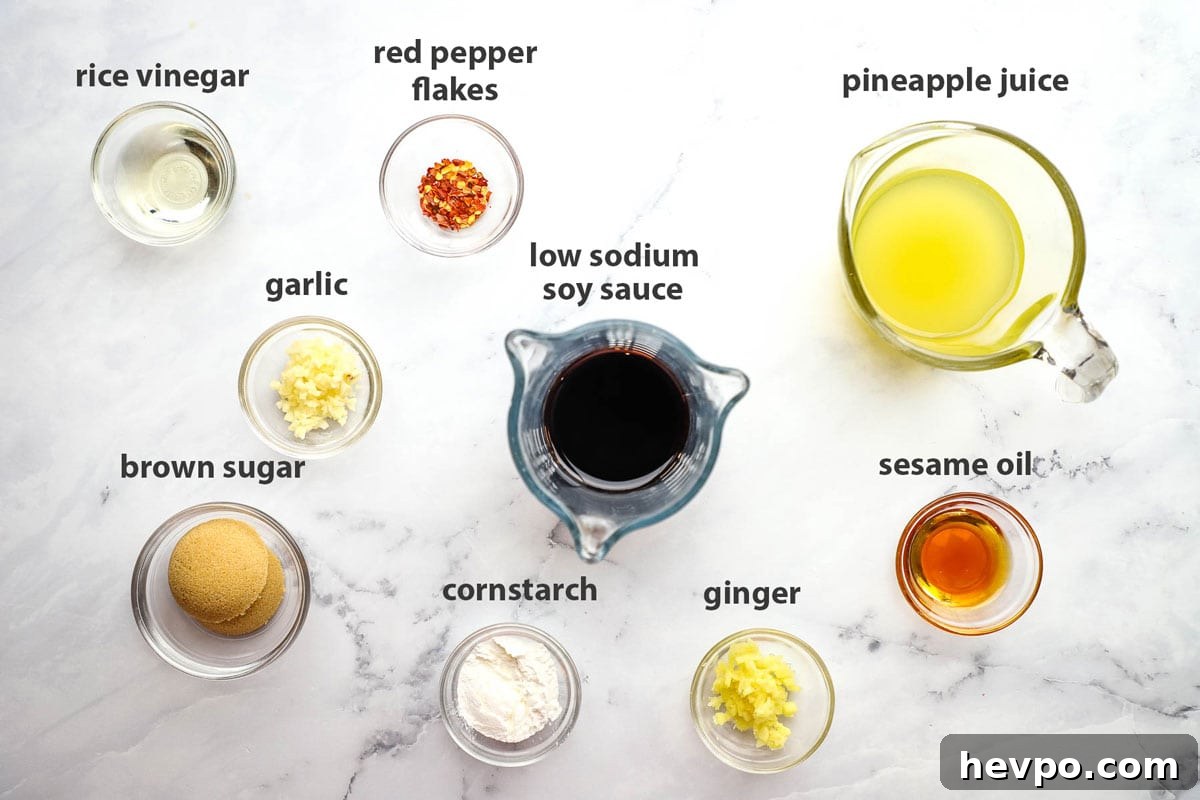
Low Sodium Soy Sauce
Low sodium soy sauce keeps the sauce flavorful without overly high salt. It’s helpful if you’re watching sodium, and you can always adjust seasoning after cooking.
Pineapple Juice
Pineapple juice adds natural sweetness and a fruity brightness that complements the soy and ginger. Use canned pineapple juice or fresh-squeezed if you prefer a fresher taste. The juice also helps tenderize meat when used as a marinade.
Brown Sugar
Brown sugar balances the savory soy sauce and adds a slight caramel note for depth. Light or dark brown sugar both work; dark will give a richer flavor.
Rice Vinegar
A splash of rice vinegar adds mild acidity and lifts the overall flavor, keeping it from tasting too sweet.
Sesame Oil
A small amount of sesame oil contributes a toasty, nutty aroma that’s classic in teriyaki-style sauces.
Fresh Garlic and Ginger
Fresh garlic and ginger give the sauce a spicy, aromatic backbone. If you don’t have fresh, powdered versions will work in a pinch, but fresh yields the best flavor.
Red Pepper Flakes
A pinch of red pepper flakes adds subtle heat that balances the sweetness. Adjust to taste or omit if you prefer no heat.
Cornstarch
Mix cornstarch with cold water to form a slurry and whisk it into the hot sauce to thicken. This gives the sauce a glossy finish that clings to meat and vegetables.
Step-by-Step Instructions
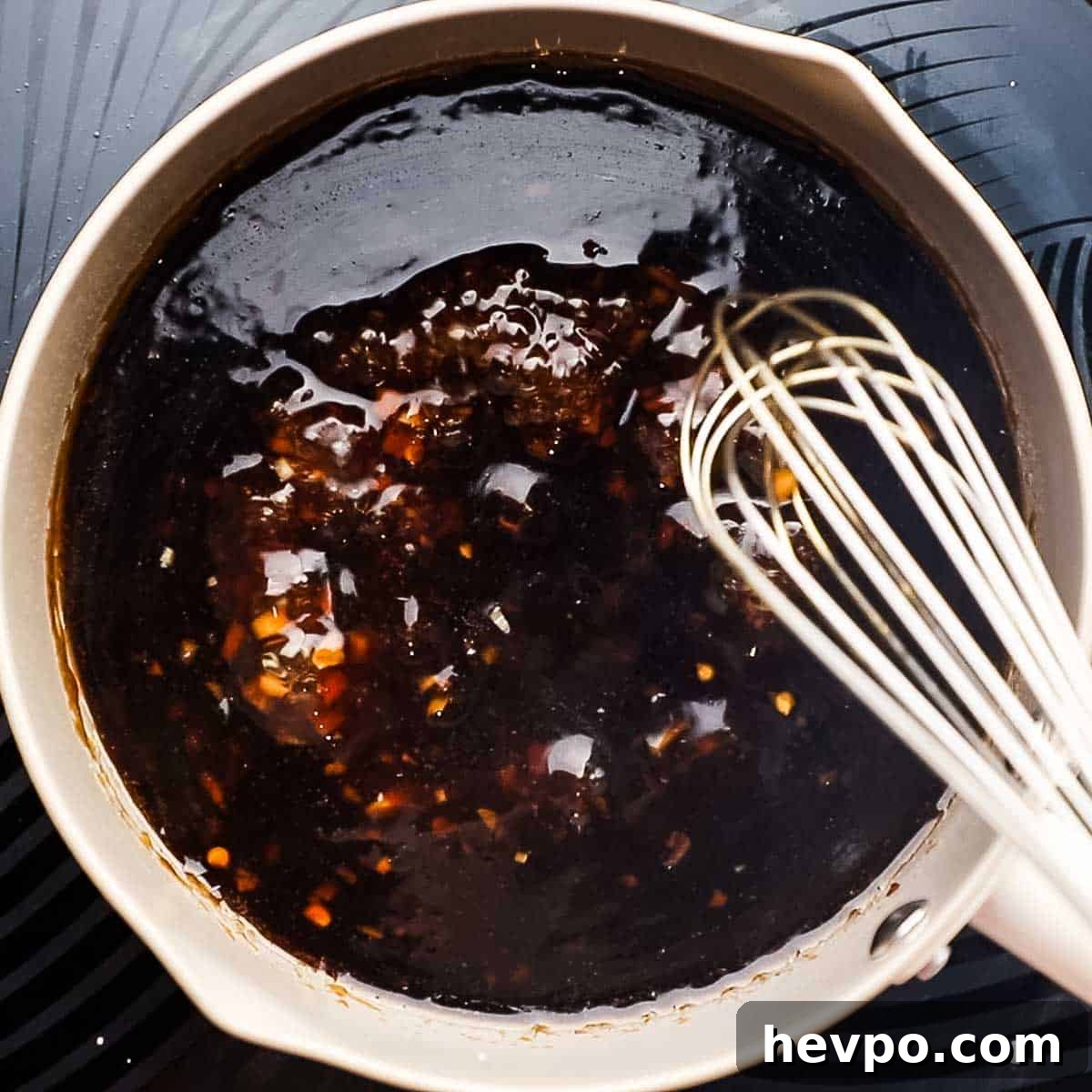
- In a small saucepan, combine soy sauce, pineapple juice, brown sugar, rice vinegar, sesame oil, grated fresh ginger, minced garlic, and red pepper flakes. Bring to a gentle boil over medium heat, then lower to a simmer and cook for about 5 minutes.
- While the sauce simmers, whisk together cold water and cornstarch in a small bowl until smooth to make a slurry.
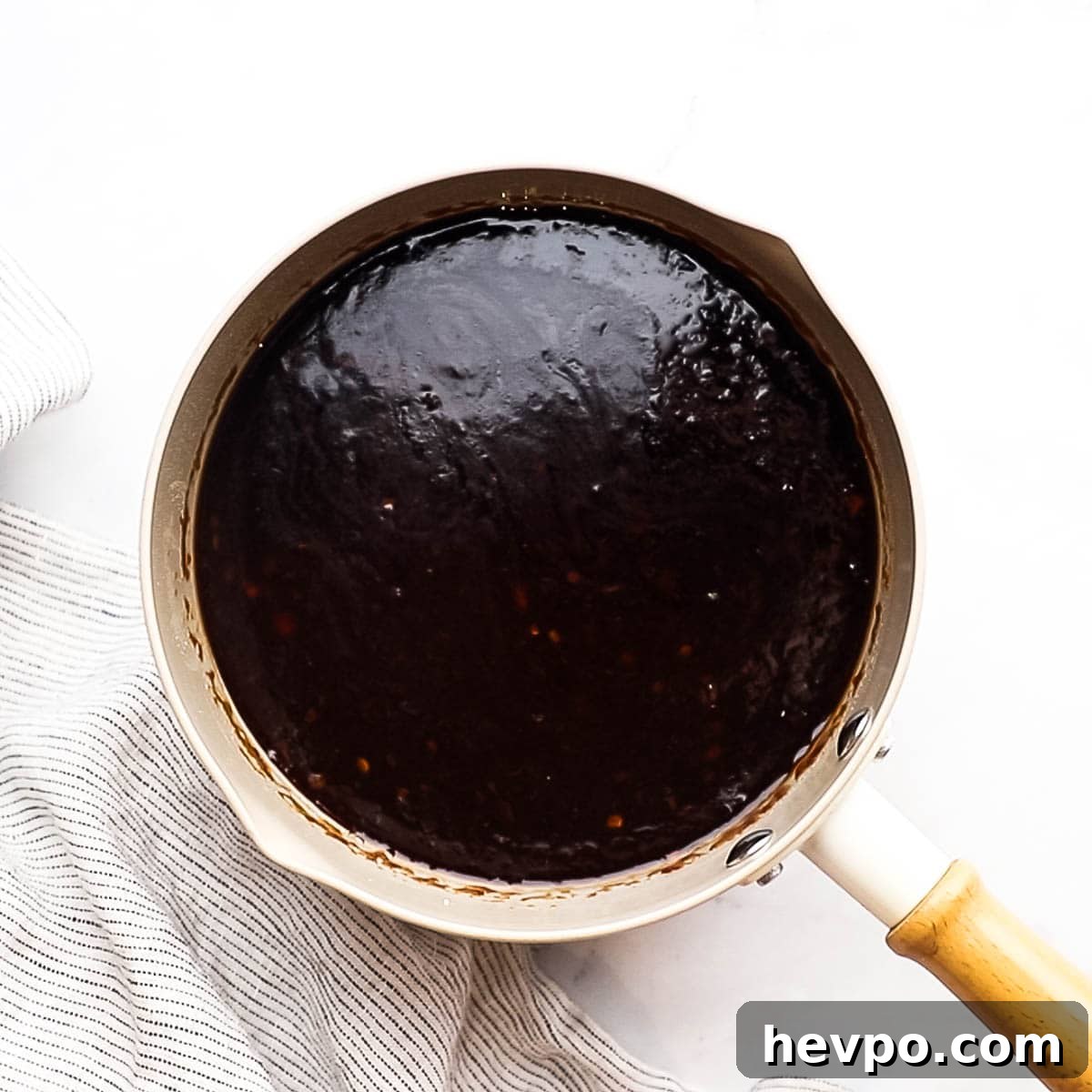
- Slowly whisk the cornstarch slurry into the simmering sauce. Continue cooking for a minute or two until the sauce thickens and becomes glossy. Remove from heat and let cool.
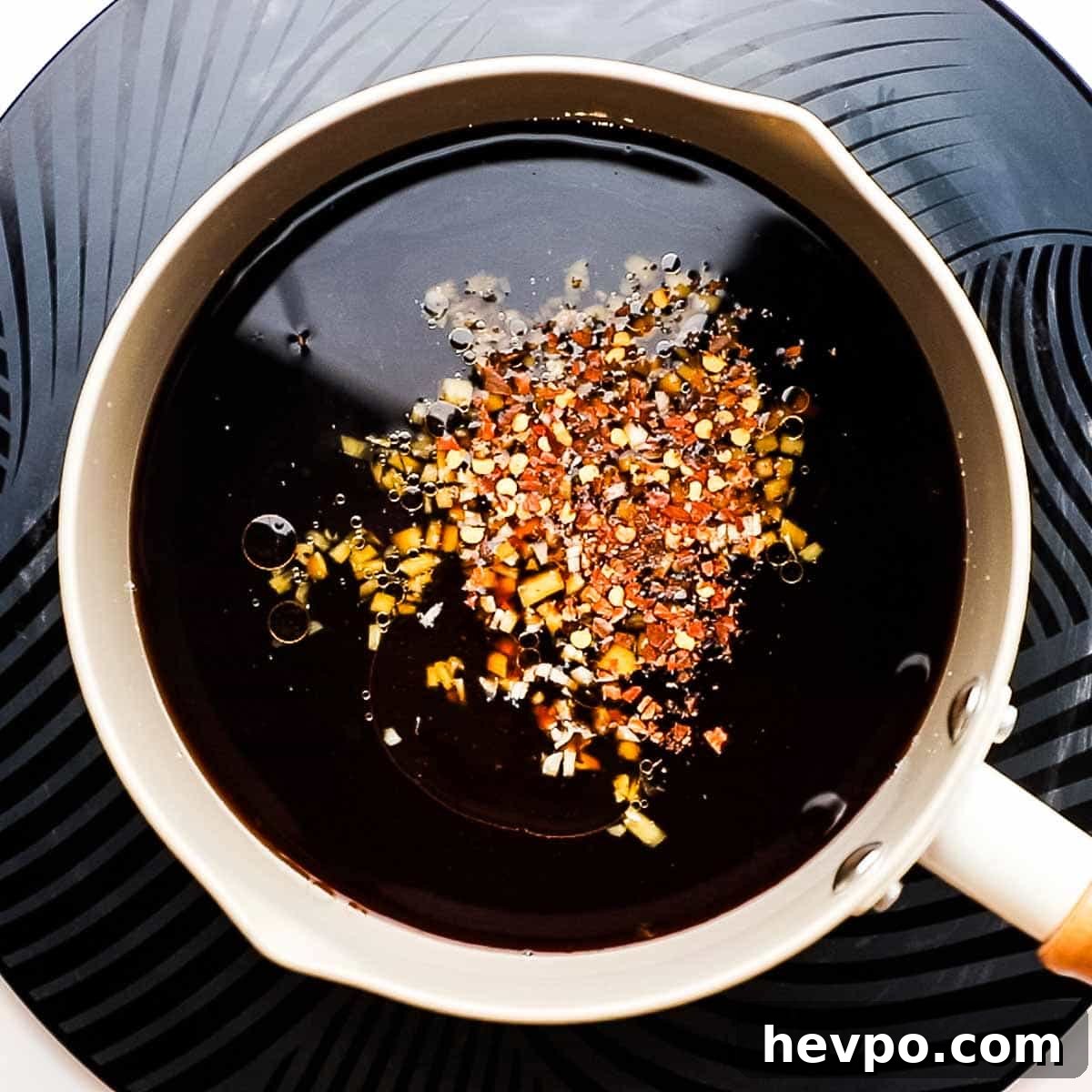
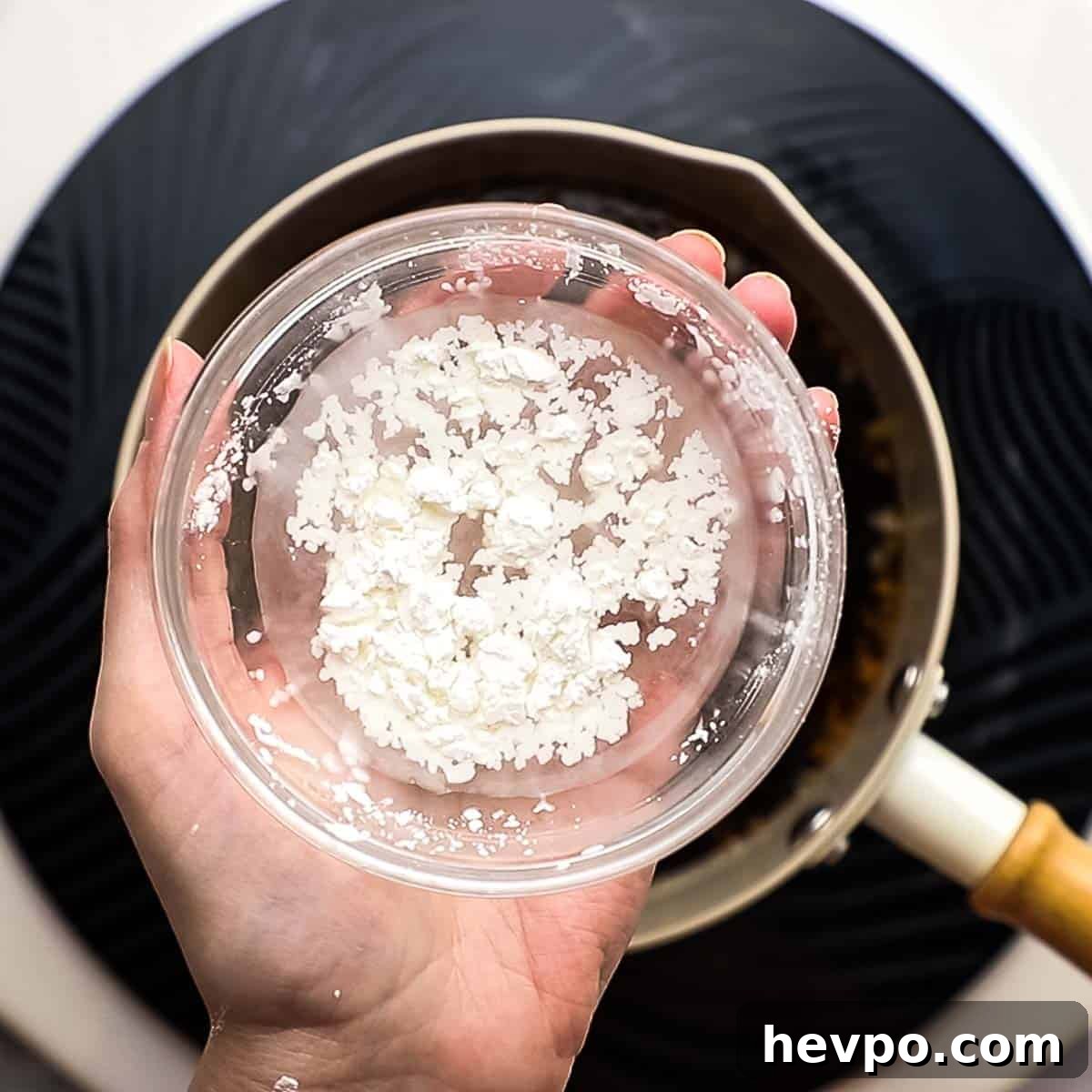
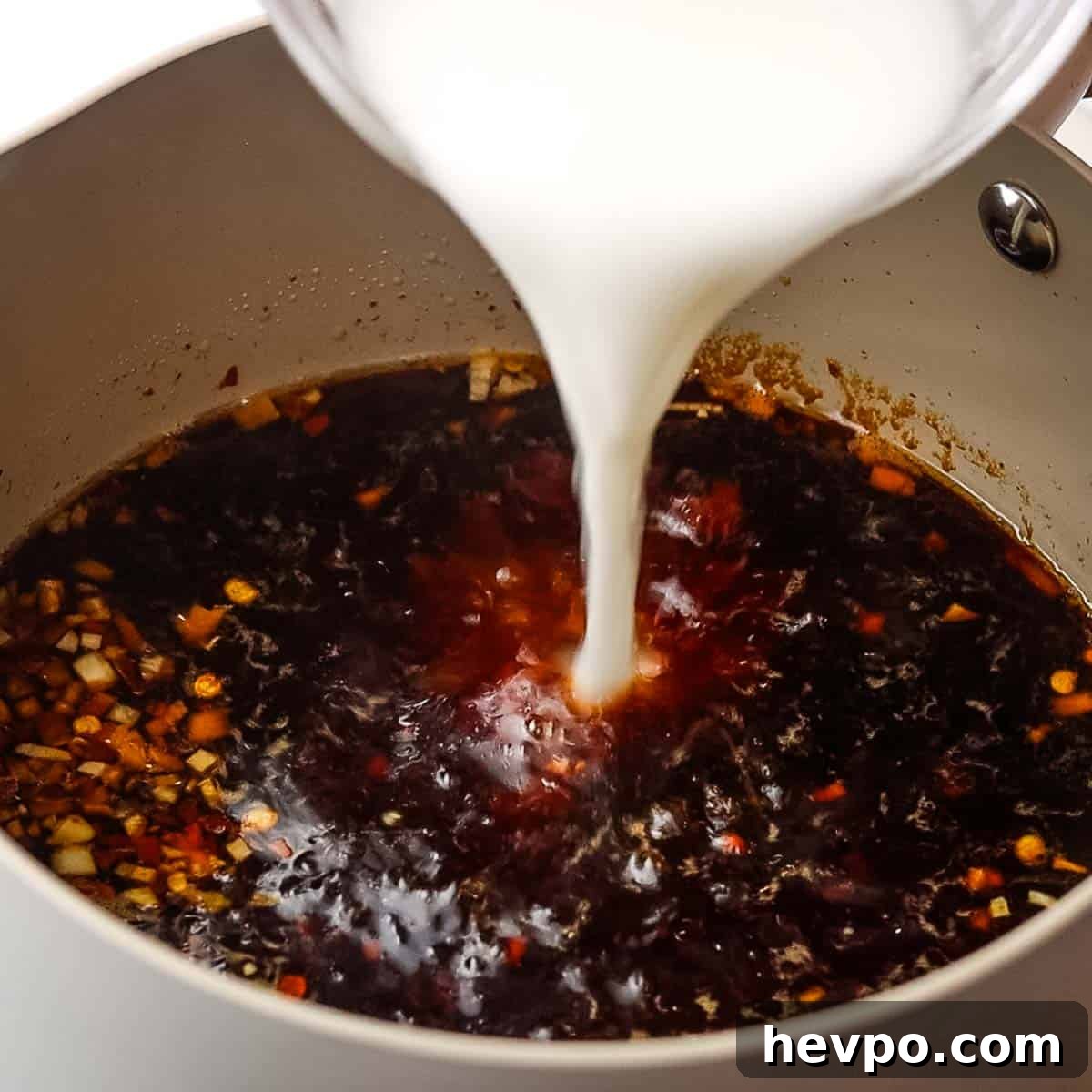
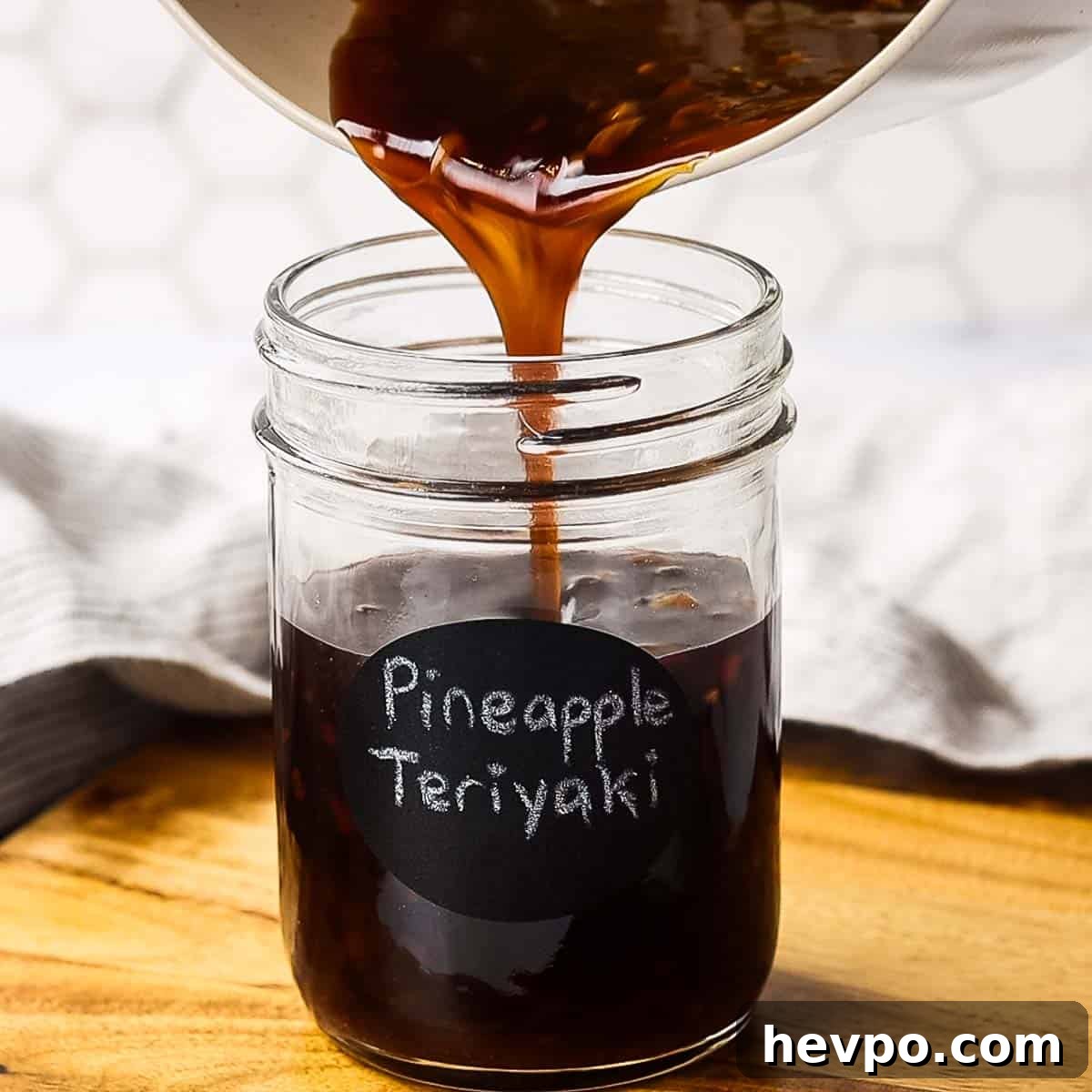
After cooling, transfer the sauce to an airtight container or mason jar. Refrigerated, it will keep about 2 weeks; frozen, it can last up to 3 months. Thaw and gently reheat before using.
Ways to Use Pineapple Teriyaki Sauce
- Marinade for chicken, pork, or beef—allow the protein to sit in the sauce for at least 30 minutes to soak up flavor and tenderize.
- Glaze for salmon or other fish—brush on before broiling or grilling for a caramelized, sticky finish.
- Stir-fry sauce—toss with vegetables, tofu, shrimp, or sliced chicken for a quick, flavorful meal.
- Rice bowls—drizzle over grain bowls with your choice of protein and veggies for an easy weeknight dinner.
- Dipping sauce—serve with spring rolls, dumplings, or fried appetizers.
- Roasted vegetables—toss roasted or grilled vegetables in the sauce for a sweet-and-savory side.
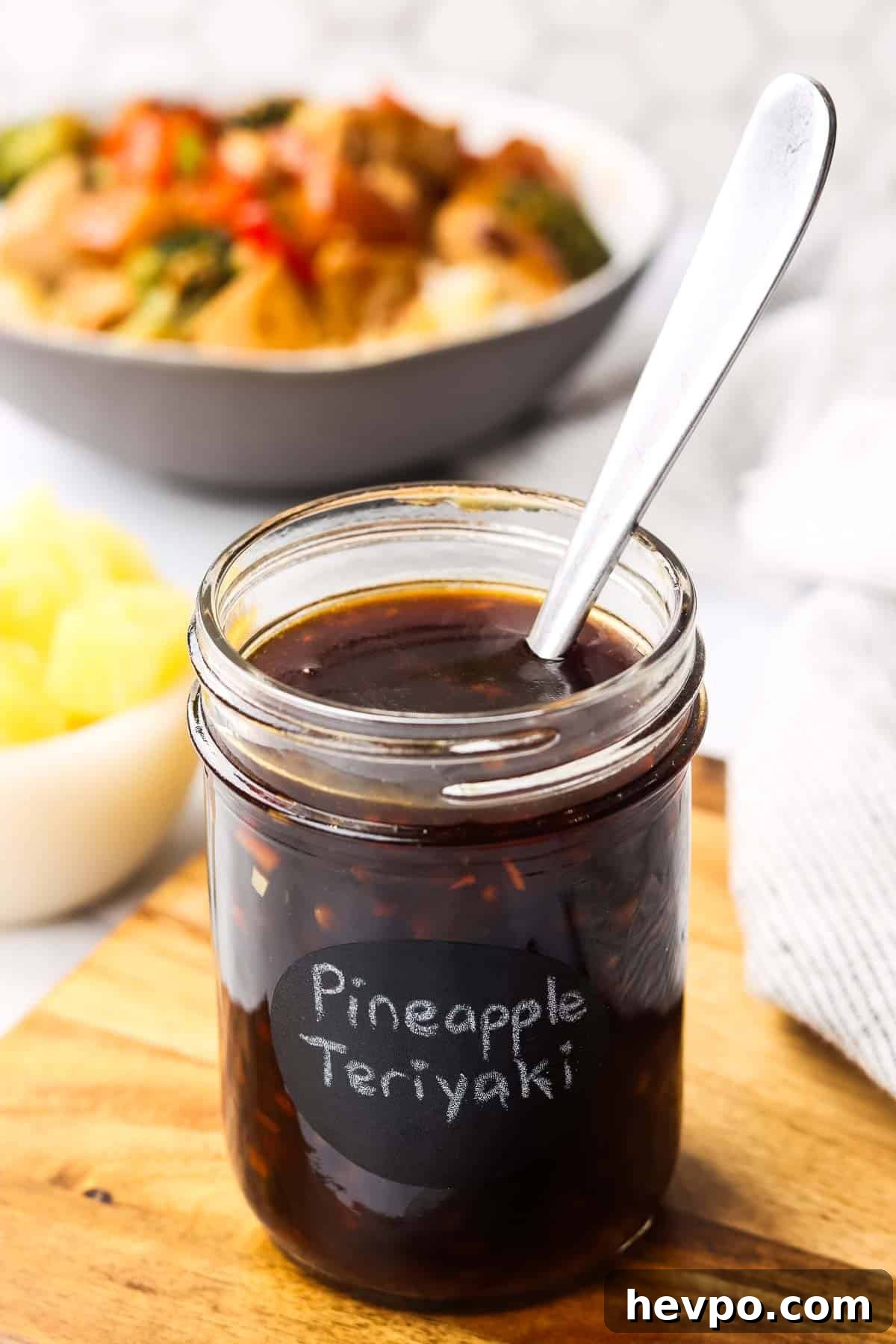
If you try this, store a jar in the refrigerator for quick meals throughout the week or freeze portions for later. Homemade pineapple teriyaki is a simple upgrade that brings bright flavor and versatility to many favorites.

Pineapple Teriyaki Sauce
Ingredients
- ½ cup low sodium soy sauce
- ½ cup pineapple juice
- 2 tablespoons brown sugar
- 1 tablespoon rice vinegar
- 1 teaspoon sesame oil
- 2 teaspoon fresh ginger, minced
- 2 garlic cloves, minced
- ¼ teaspoon red pepper flakes
- 2 tablespoons cold water
- 1 tablespoon cornstarch
Instructions
- In a small saucepan, combine the soy sauce, pineapple juice, brown sugar, rice vinegar, sesame oil, ginger, garlic, and red pepper flakes. Bring to a boil over medium-high heat, then reduce to a simmer and cook for 5 minutes.
- Whisk the cornstarch and cold water together to make a slurry. Slowly whisk the slurry into the simmering sauce and cook until thickened. Remove from heat, cool, and store or use immediately.
Video
Notes
Keep sauce in an airtight container in the refrigerator for up to 2 weeks, or freeze for up to 3 months.