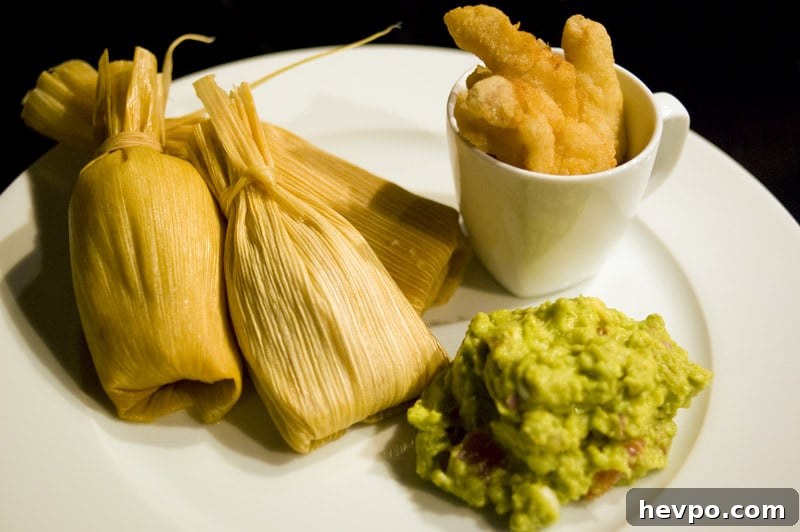
Biting into a tamal delivers an immediate burst of flavor. Soft corn dough envelops spiced chiles, fresh cilantro, and crisp onions, while a blend of seasonings adds depth and warmth. Tamales are beloved for their bold, layered taste and the satisfying contrast of tender masa and savory fillings. Served alone they’re delightful—paired with the right sides, they become a memorable meal.
If you want to elevate your tamale spread for guests, consider traditional and complementary pairings that showcase the tamales without overpowering them.
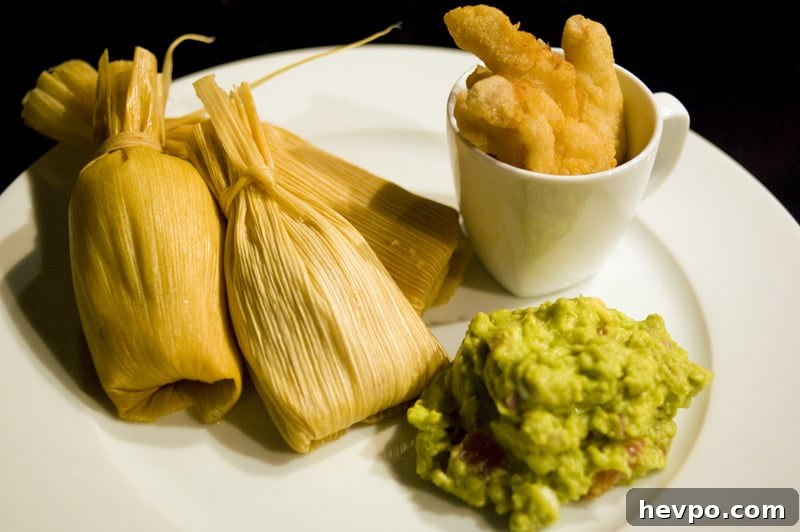
Traditional side dishes for tamales
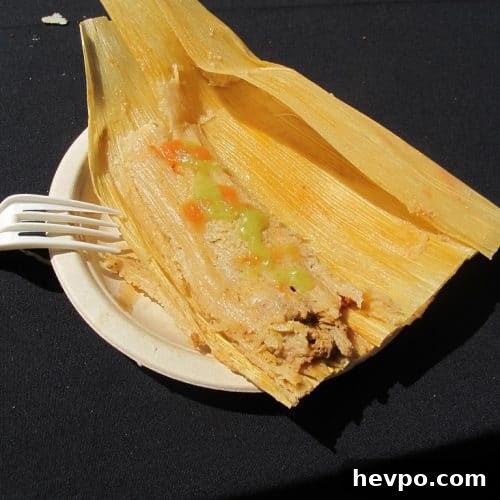
A classic accompaniment for tamales is mole verde, a green sauce that ranges from bright and herby to rich and complex. Mole verde can include ingredients such as roasted chiles, pumpkin seeds, garlic, herbs, and sometimes nuts or fruit. Recipes vary by region, so the texture and flavor profile can shift from zesty and herb-forward to nutty and silky.
Mole verde is commonly prepared by blending roasted or toasted ingredients into a paste, then thinning it with chicken or vegetable broth and simmering until it reaches a creamy consistency. Some versions include roasted vegetables like potatoes, carrots, squash, or zucchini to add body and texture.
Mole verde is festive and versatile: it’s served at celebrations but also works well as a make-ahead sauce that reheats nicely. Variations you might encounter include regional names and ingredient swaps, for example using pumpkin seeds (pepitas), different chiles, or fruity additions in some local recipes.
Other classic sides that pair well with tamales include:
- Refried beans or whole stewed beans — creamy, savory, and a great contrast to masa.
- Mexican rice — lightly seasoned rice adds bulk and soaks up sauces.
- Guacamole — fresh and cooling, it balances spicy fillings.
- Salsa verde or red salsa — bright acidity from tomatillos or tomatoes complements rich tamales.
- Pickled vegetables (escabeche) — tangy, crunchy counterpoint to the soft masa.
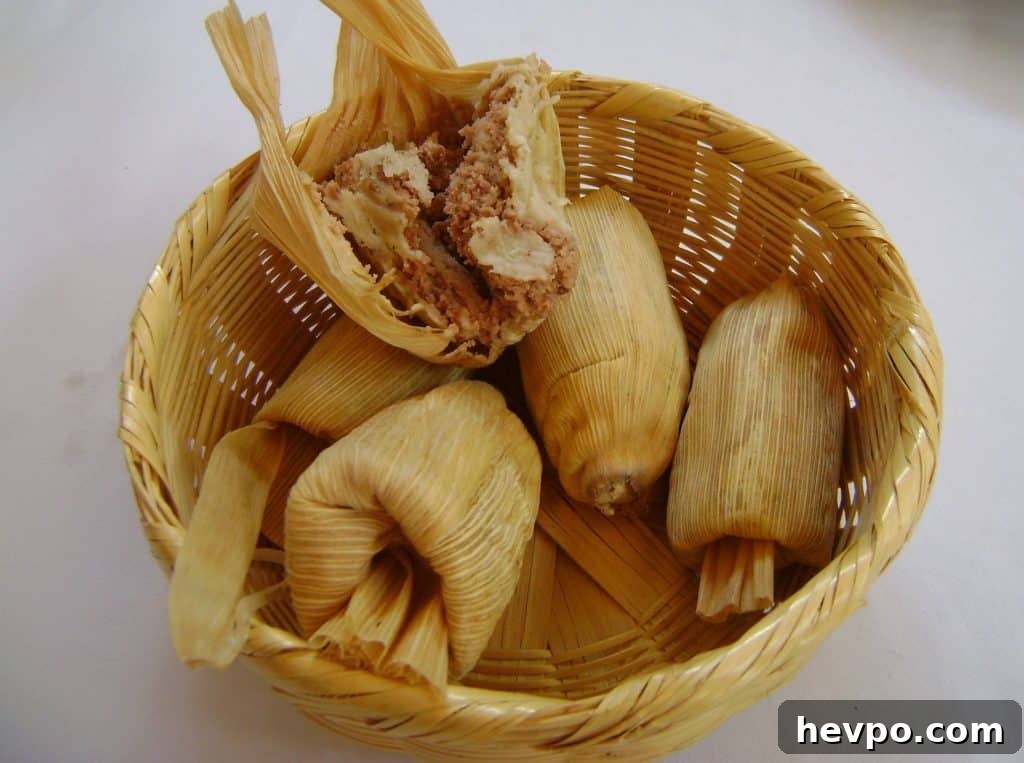
Common tamale ingredients
Tamales usually feature masa (corn dough) as the wrapper and are most often filled with pork or chicken. Typical aromatics and seasonings include onion, garlic, cilantro, tomatoes or tomatillos, and lime juice. Salt and a touch of sugar are sometimes added to balance flavors. Vegetarian fillings—cheese, beans, squash, or chiles—are also popular.
When making tamales, using fresh ingredients and well-balanced seasonings yields the most authentic flavor. If you’re unsure about local ingredient choices or masa textures, staff at a Mexican grocery store can often offer helpful guidance.
How tamales are prepared
The basic process for traditional tamales includes preparing a seasoned masa, making or shredding a filling (such as pork in a chile sauce), spreading masa onto hydrated corn husks, adding filling, folding or tying the husks, and steaming until set. Tamales are typically steamed upright with the open end facing up so the masa cooks evenly.
Key points to remember:
- Soak corn husks in hot water until pliable, then pat dry before spreading masa.
- Masa for tamales is made from masa harina mixed with fat (lard, vegetable shortening, or oil), broth, and seasonings. The texture should be smooth and spreadable.
- Avoid overfilling tamales; too much filling can cause them to burst during cooking.
- Steam tamales for the recommended time—often around two to three hours for large batches—until the masa separates easily from the husk.
Basic tamale masa ingredients
1 cup masa harina, ½ cup fat (lard or shortening), ¼ teaspoon salt, plus warm broth or water to reach a soft, spreadable consistency. Some recipes call for a final splash of boiling water to finish the dough.
General cooking steps
1. Mix masa harina with fat and salt, gradually add liquid until smooth. 2. Prepare filling and sauces separately. 3. Soak and dry husks, then spread an even layer of masa. 4. Add a spoonful of filling, fold the husk, and secure if desired. 5. Steam upright until fully cooked and the masa pulls away cleanly from the husk.
Tamales: origins and variations
Tamales have ancient roots across Mesoamerica and remain highly regional. The word derives from the Nahuatl tamalli, meaning “to wrap.” Over centuries, tamales evolved into countless regional styles with diverse fillings, wrappers, and sauces. Today you’ll find tamales across Latin America and beyond, with fillings that range from traditional pork, chicken, and beans to seafood, cheese, vegetables, and even sweet versions.
Regional favorites include tamales rojos (red chile pork), tamales verdes (with green sauce), and many other local specialties. Wrappers can be corn husks or banana leaves depending on the region and recipe.
Storage and reheating
Tamales store well and can be made ahead. For short-term storage, keep them covered in the refrigerator for a few days. For longer storage, wrap individually in foil or plastic and freeze. To reheat, steam or microwave covered with a damp towel to retain moisture. Thaw frozen tamales before heating when possible for best texture.
Pork tamales: overview
Pork tamales in red chile sauce are one of the classic varieties. The general technique is to simmer shredded pork in a seasoned red chile sauce, then assemble with masa and steam. With practice, folding and assembling tamales becomes quicker and easier—many cooks prepare large batches for gatherings and freeze extras for later.
Related Posts
Costco Mango Juice?
25 Easy 4th Of July Drinks

How Long To Bake Chicken Breasts?
Where Does Vanilla Come From?