
Warm desserts are often associated with comfort and nostalgia, but not every sweet offering lives up to those expectations. Some dishes are bland, repetitive, or lacking the texture and flavor complexity that make a warm dessert memorable. While these recipes can be perfectly edible and even comforting to some, they frequently feel uninspired compared with more inventive or well-balanced options.
This article reviews several warm desserts that, despite their history or familiarity, tend to disappoint many diners. The common issues include one-note sweetness, soggy or rubbery textures, and the absence of contrasting elements like crunch, acidity, spice, or a complementary sauce. Below are warm desserts that often fall short and why they struggle to impress.
Plain Bread Pudding
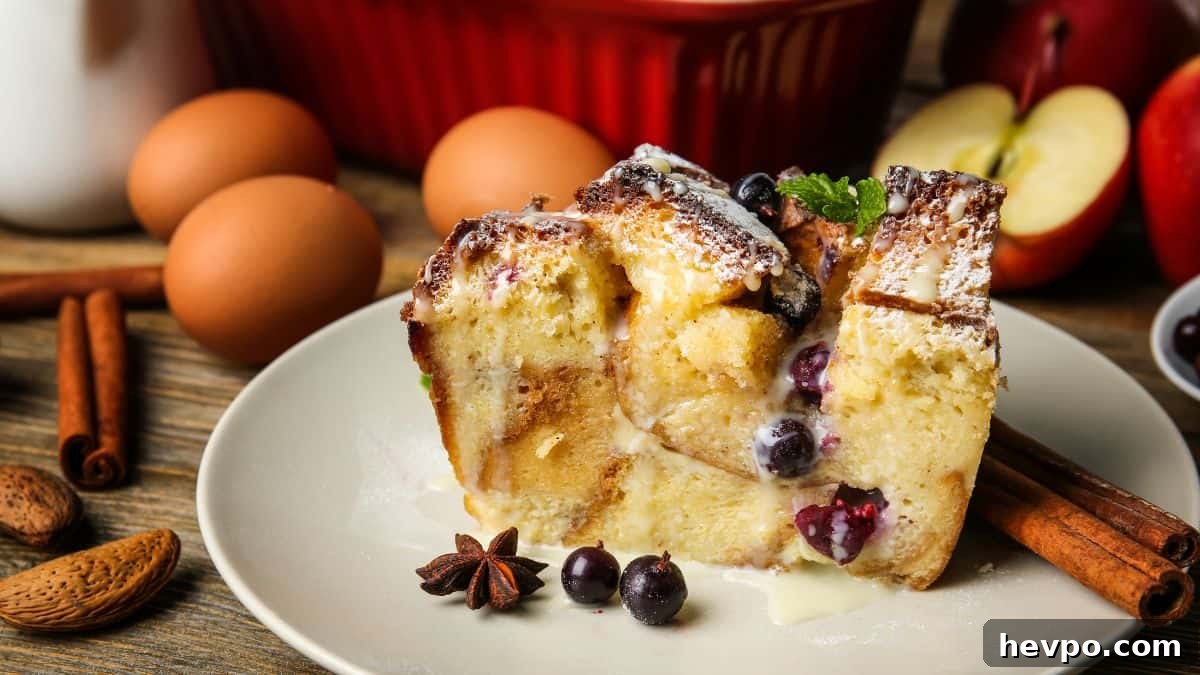
Bread pudding is a classic way to use stale bread, milk, and sugar, but the basic version can be disappointingly flat. Without warming spices like cinnamon or nutmeg, or a lively sauce such as caramel or rum glaze, its custardy texture and single-layered sweetness feel heavy and unremarkable. Reinvented versions can be excellent, but the plain traditional preparation often leaves guests wanting more.
Rice Pudding
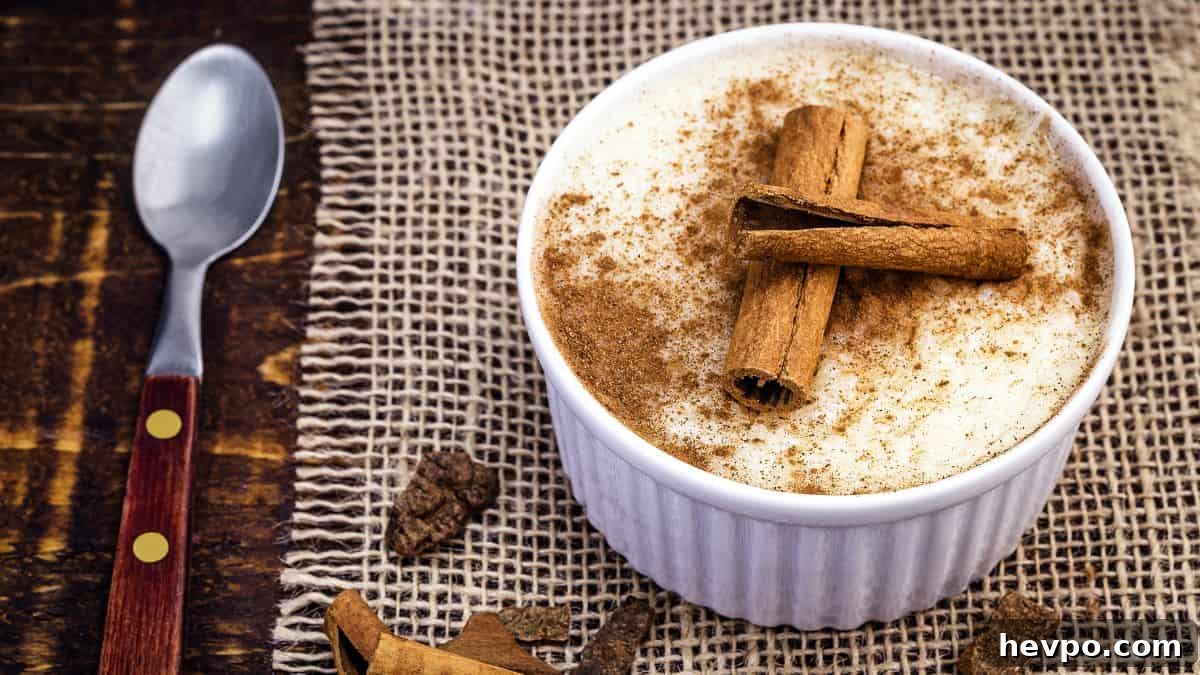
Rice pudding delivers a creamy, comforting mouthfeel, but its flavor profile can be predictable. When the base is only milk, sugar, and rice, the result can feel more like a simple comfort food than a standout dessert. Add-ins like citrus zest, toasted nuts, or a spiced compote give it needed complexity; without those contrasts, many diners find it bland.
Tapioca Pudding
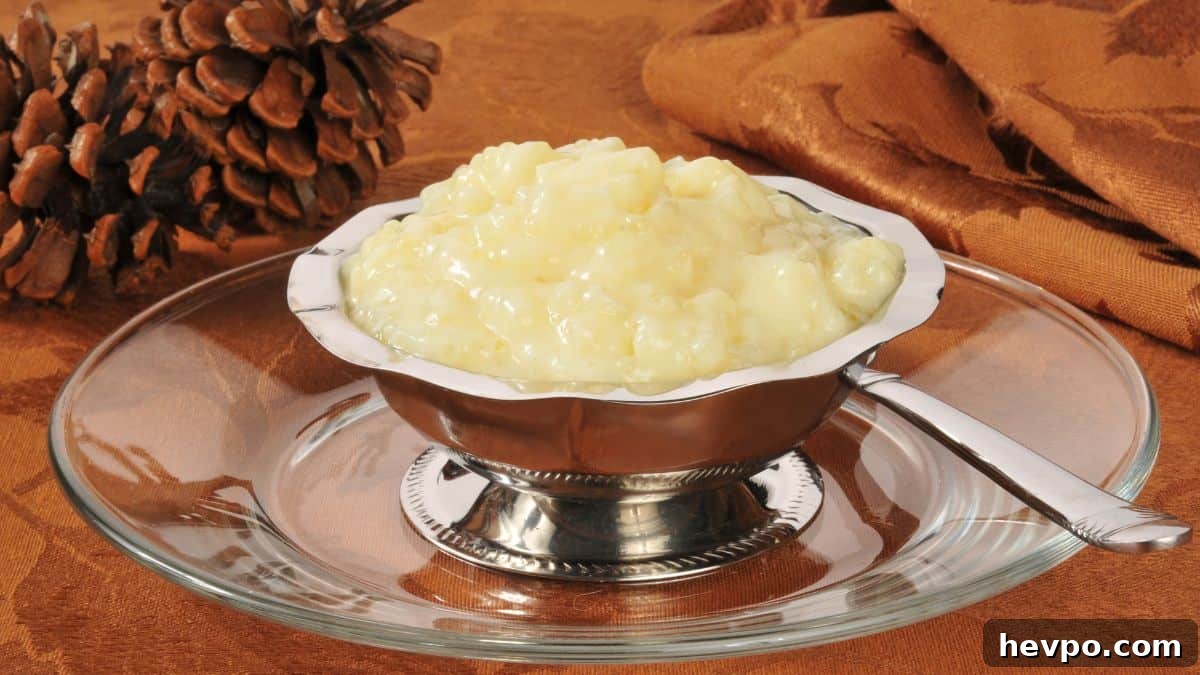
Tapioca pudding is defined by its pearl texture, which some diners find off-putting. The tiny balls can seem rubbery and the overall taste—often just sweetened milk—doesn’t always compensate for the mouthfeel. A bold companion like fruit compote or a citrusy syrup can rescue it, but plain tapioca frequently feels like a textural curiosity rather than a satisfying dessert.
Warm Apple Compote
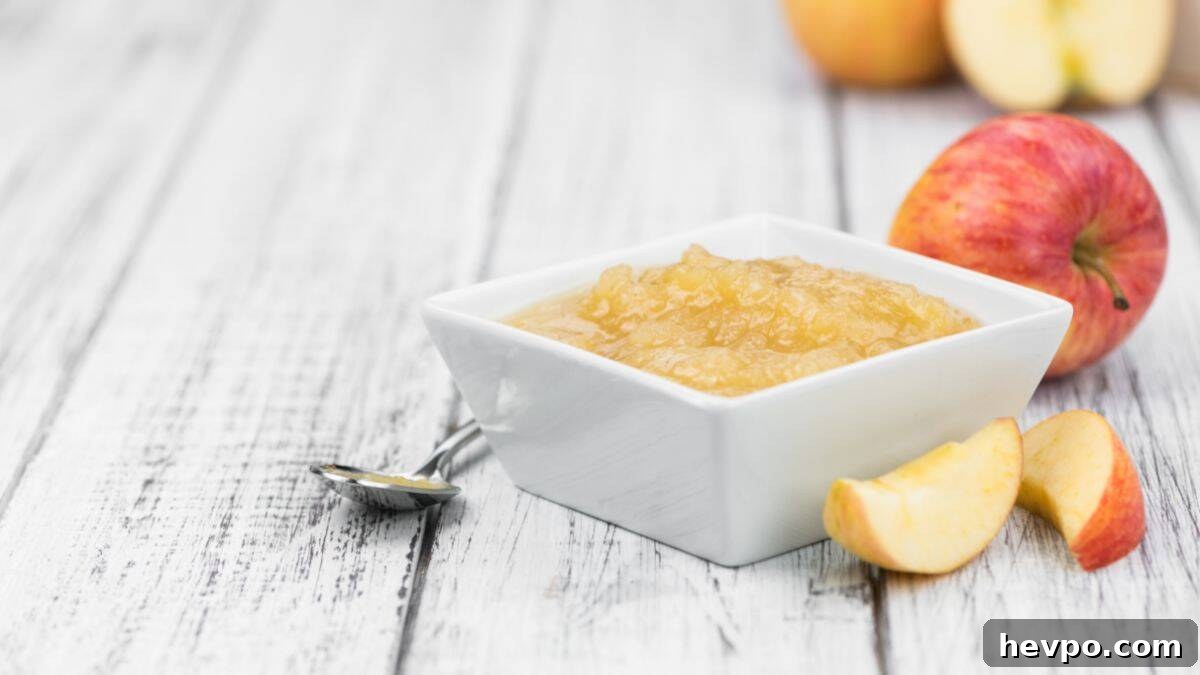
Apple compote is essentially stewed apples with sugar and sometimes spices. It can be fragrant and soothing, but compared with textured apple desserts like pie, crisp, or strudel, it often lacks contrast. The soft, uniform texture and predictable sweetness make it feel utilitarian—more of a quick side than an indulgent finale—unless paired with something crunchy or creamy.
Steamed Sponge Pudding
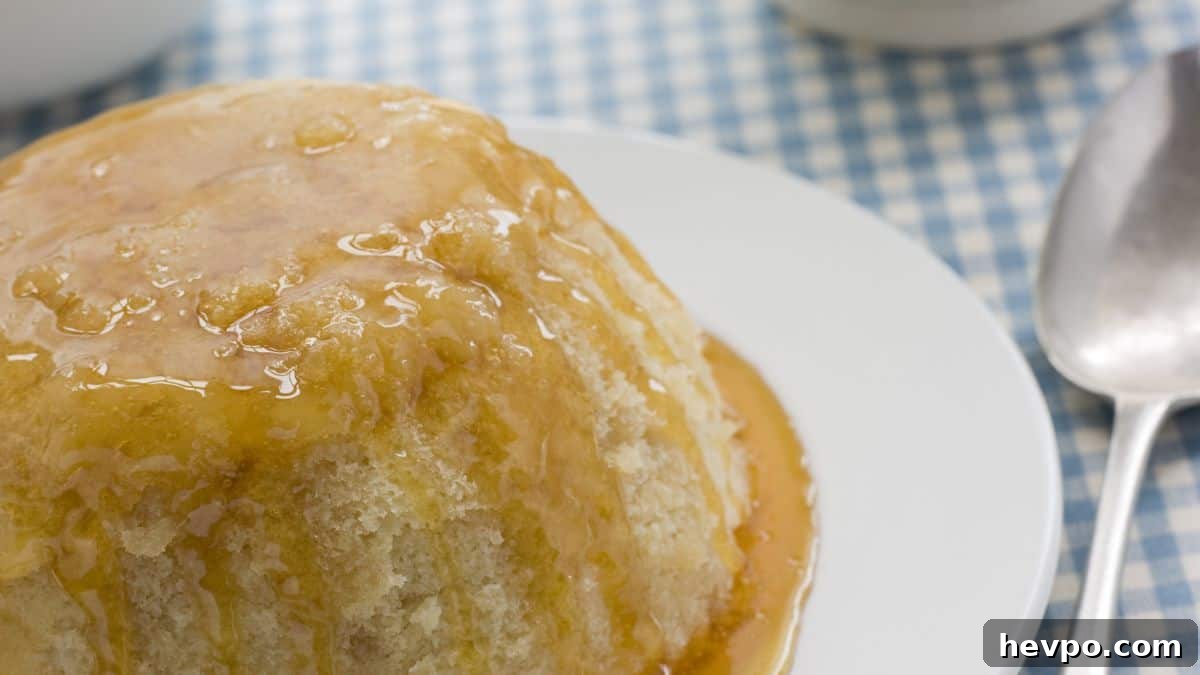
Steamed sponge pudding has a nostalgic appeal for some, but its plain, dense texture can feel outdated alongside lighter, more inventive desserts. Even with custard, the sponge itself may fail to deliver excitement; it often reads as simple and starchy rather than indulgent. Modern variations that introduce fillings or flavor contrasts fare much better than the basic version.
Plain Custard
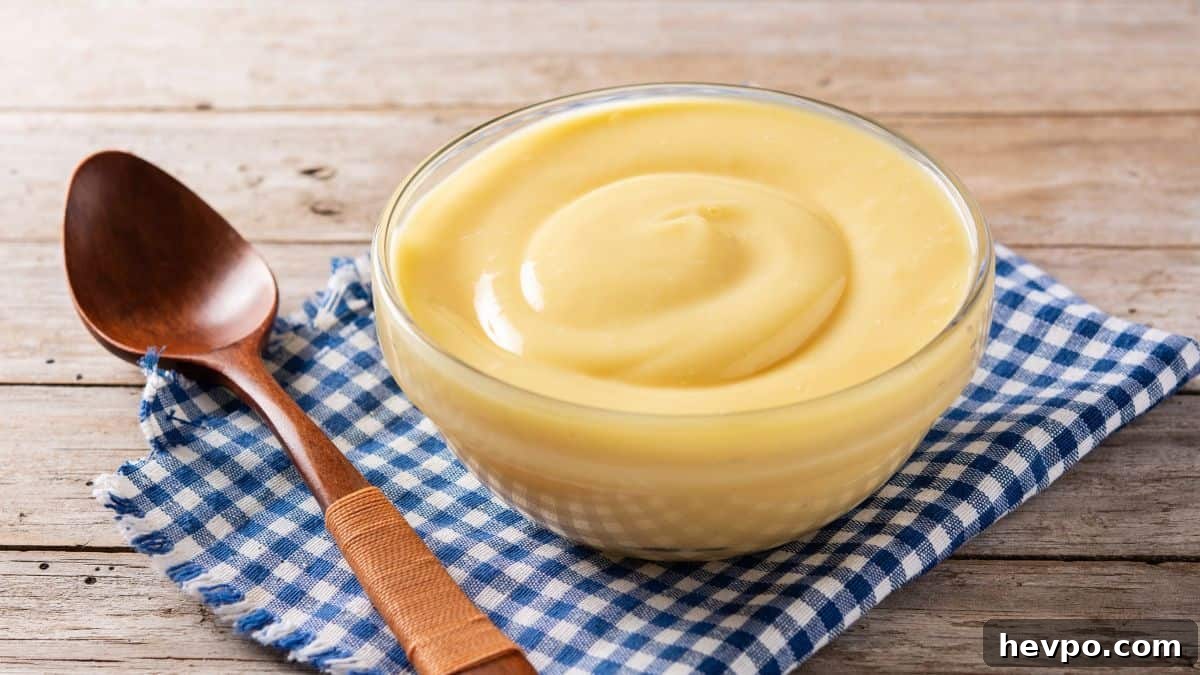
Plain warm custard is smooth and creamy but can come across as unfinished on its own. Without a textural contrast—such as a caramelized top, a crisp pastry shell, or a tart fruit garnish—its mild egg-and-milk flavor feels one-dimensional. Custard shines as part of a composed dessert; served solo, it often underwhelms.
Baked Apples
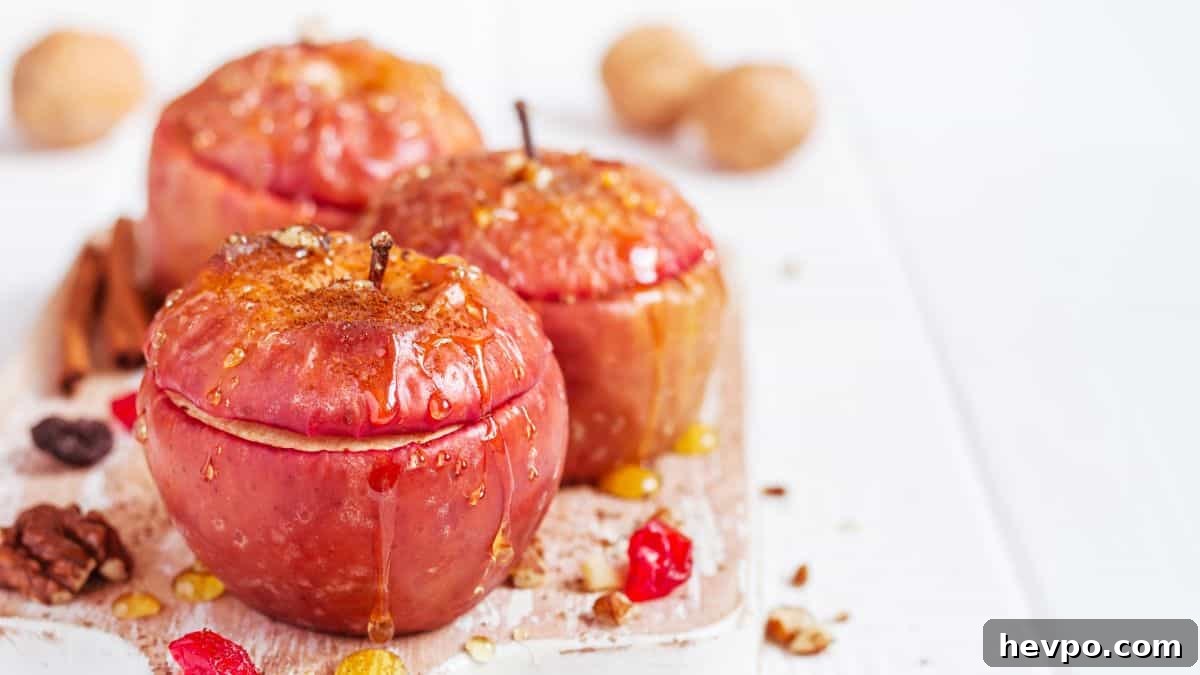
Baked apples can be a cozy seasonal treat, but they often turn soft and watery if not prepared thoughtfully. Alone, they taste like warmed fruit without the crisp pastry or crunchy topping that makes other apple desserts so satisfying. A more interesting filling or a textured accompaniment can elevate them beyond the ordinary.
Warm Oatmeal with Sugar
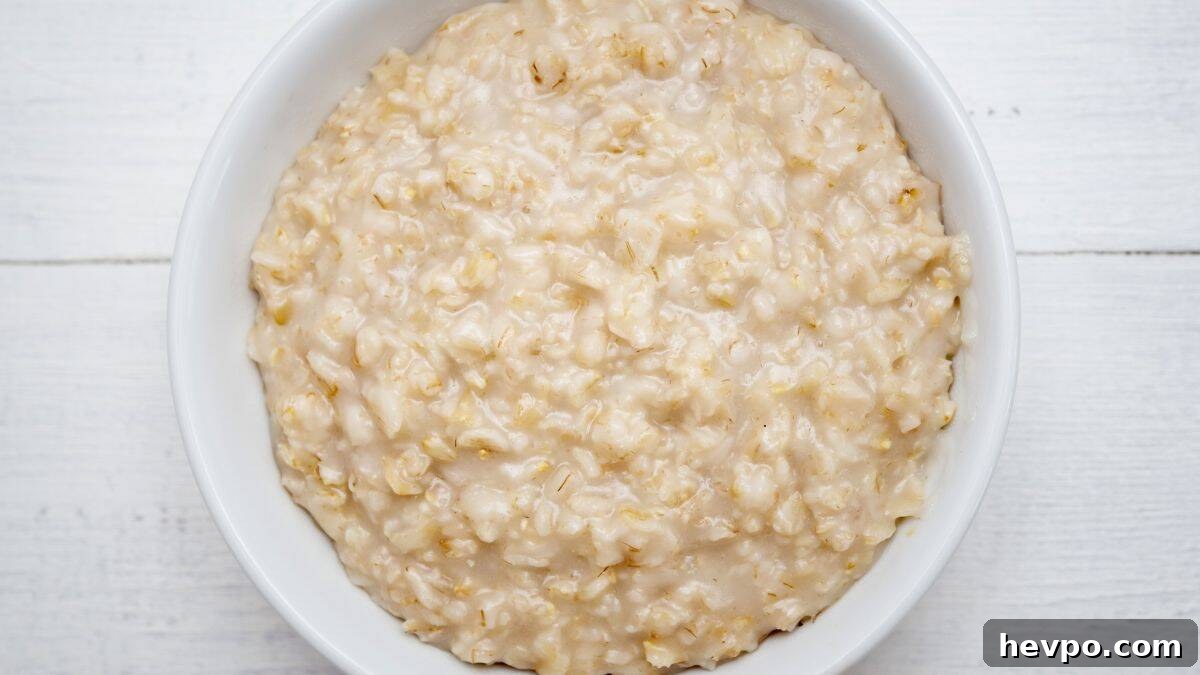
Sweetened warm oatmeal can be cozy, but it often reads more like breakfast than dessert. The mushy texture and monotone sweetness lack the complexity diners expect after a meal. Adding toasted seeds, dried fruit, or a drizzle of nut butter can help, but plain warmed oats rarely satisfy as a true dessert.
Figgy Pudding

Figgy pudding has a rich historical pedigree, but its dense, fruit-heavy composition can feel heavy and dated. The abundance of dried fruit leads to a sticky texture and intense sweetness that may not appeal to modern palates seeking freshness and balance. As a result, its reputation often outshines its actual appeal.
Molasses Cake
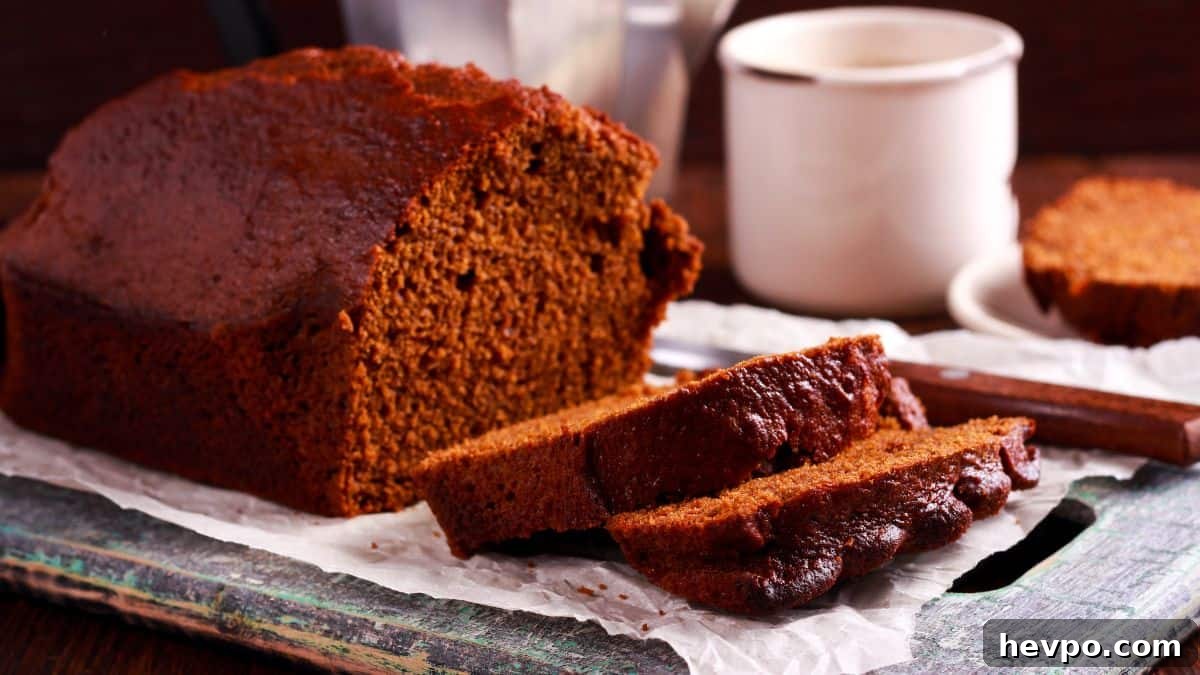
Molasses cake brings deep, molasses-driven sweetness and a heavy texture that some find overpowering. Without complementary flavors or contrasting textures, the cake can seem monotonous and dense. Compared to lighter or more layered cakes, it can feel clumsy rather than celebratory.
Warm Semolina Porridge
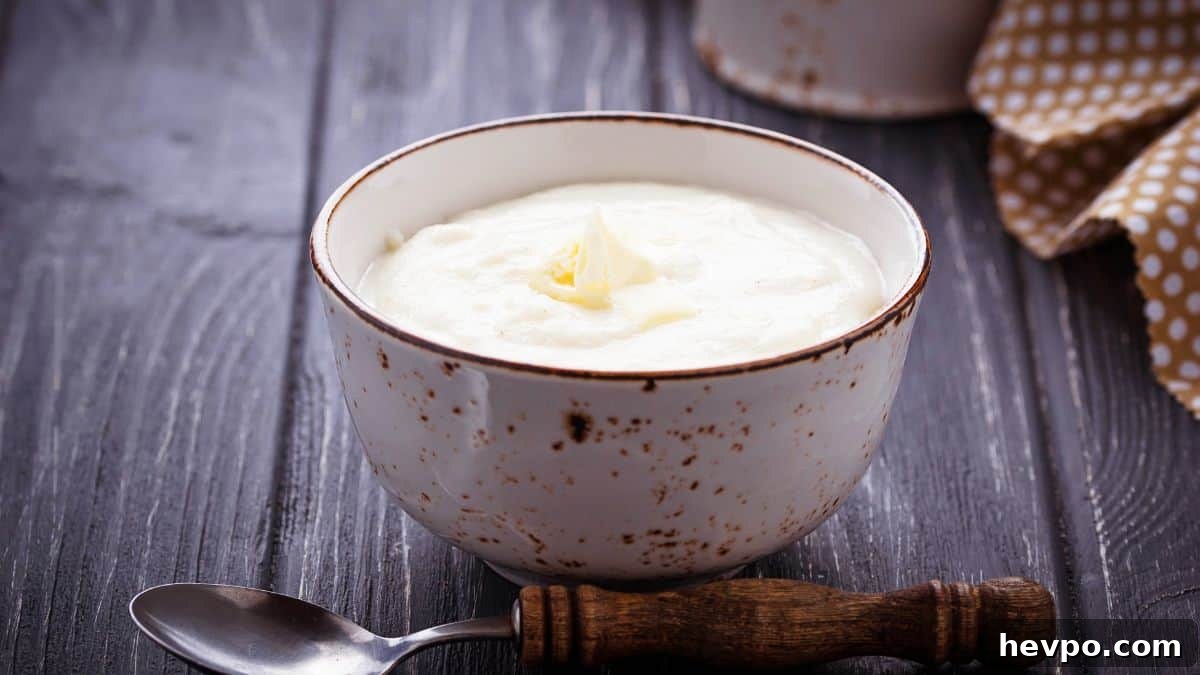
Semolina porridge is a simple, traditional dish that’s often mild and filling. Its thick, smooth consistency can read as bland without additions like toasted nuts, fruit, or aromatic spices. As a dessert, it needs contrasts and accents to transform it from a comfort food staple into a memorable sweet ending.
Plain Brownies Fresh from the Oven
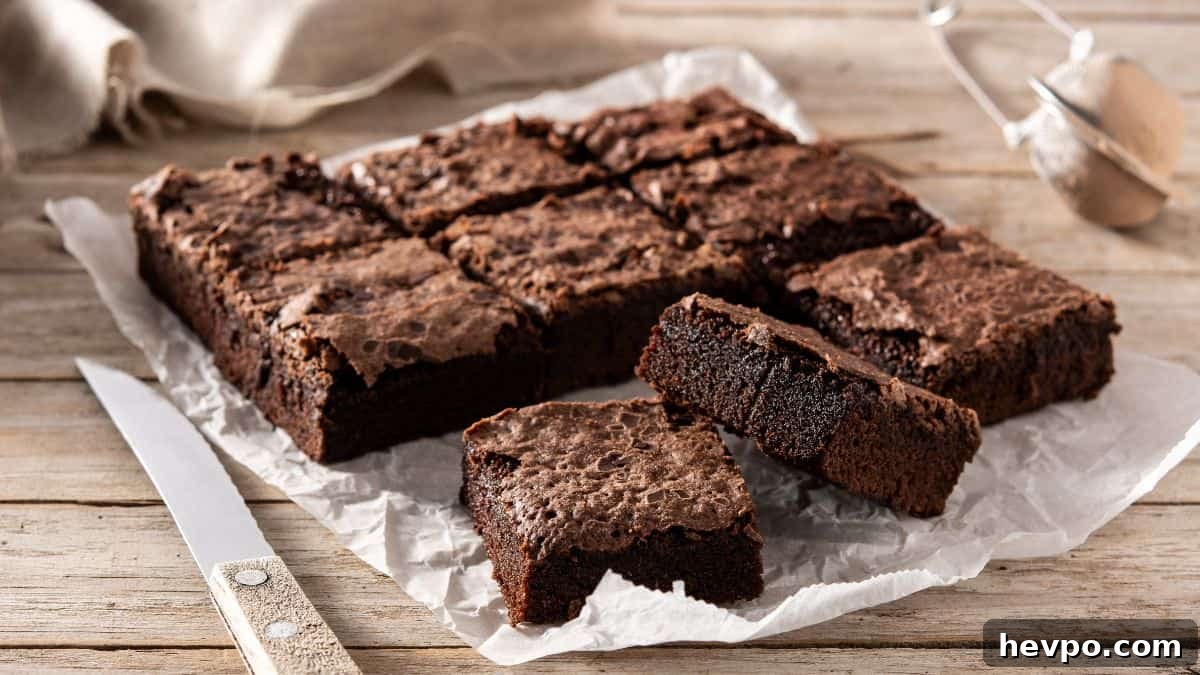
Brownies are widely beloved, but plain, undecorated brownies can be underwhelming. Without mix-ins like nuts, swirls, or a complementary sauce or frosting, they can come across as simply sweet squares. Texture variety—crisp edges, fudgy centers, crunchy nuts—makes the difference; when absent, brownies feel predictable.
Warm Banana Mash
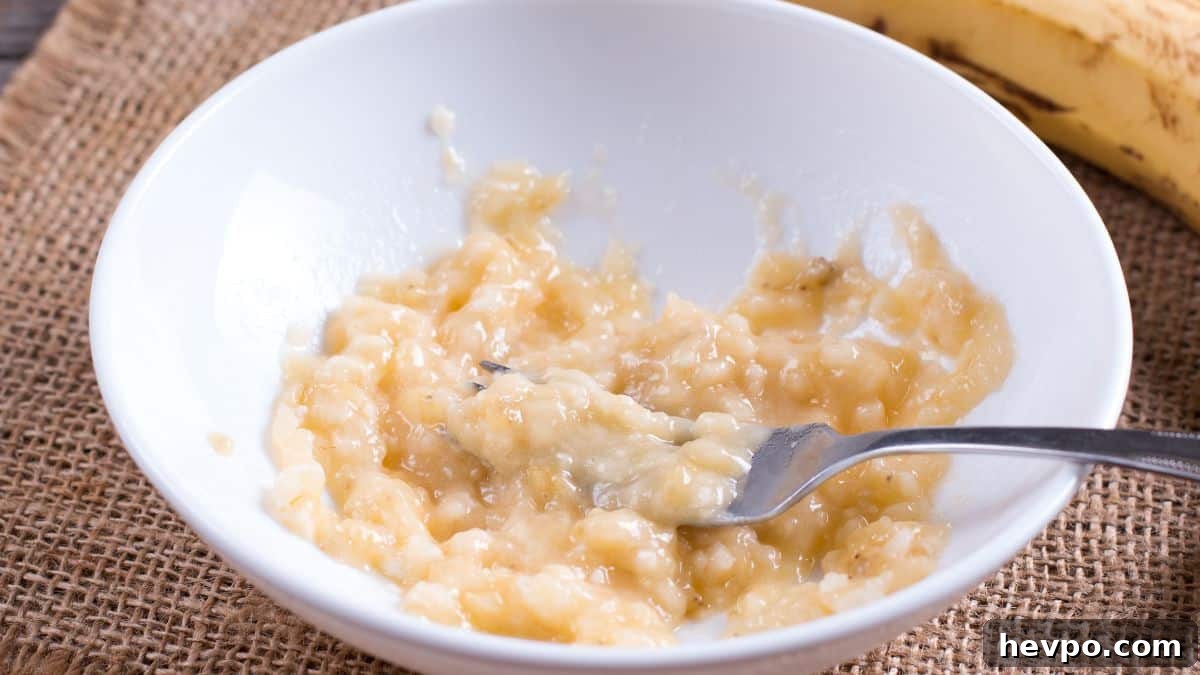
Warm mashed banana can be naturally sweet, but its mushy texture and one-dimensional flavor often feel more like baby food than dessert. Pairing it with chocolate, caramel, or toasted elements gives it interest; on its own, it rarely satisfies the desire for a rich or layered treat.
Plain Muffins Served Warm

Warm plain muffins are pleasant but rarely exciting as a dessert. Without glazes, fillings, or mix-ins like chocolate or fruit, they feel more like a simple snack than a post-meal indulgence. Texture is usually fine, but flavor depth and contrast are often missing, making them a mild finale rather than a highlight.
Plain Pound Cake
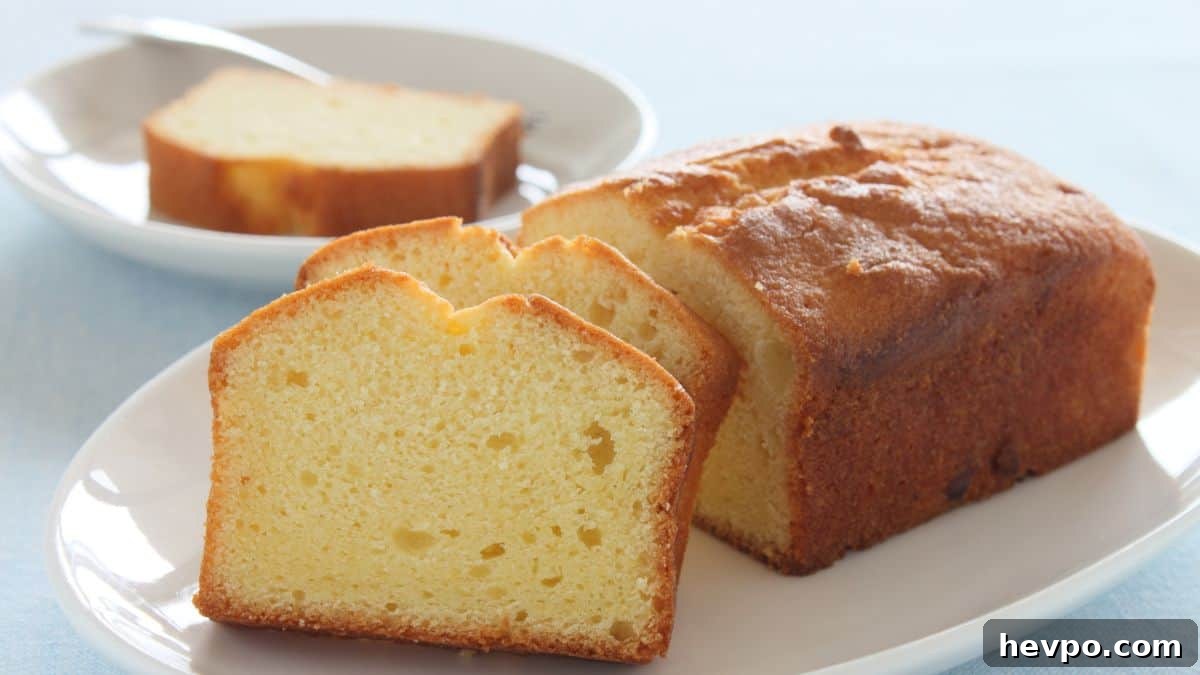
Pound cake is dense and buttery, but served plain and warm it can feel slightly dry and uninspired. It benefits greatly from fruit, cream, or a glossy glaze that adds moisture and brightness. Left unadorned, pound cake is a classic that sometimes needs accompaniment to feel truly indulgent.
In summary, many warm desserts rely on tradition and simplicity, which can be comforting but also underwhelm when served without contrasting textures, bright flavors, or thoughtful toppings. Small additions—spices, citrus, crunchy elements, or a complementary sauce—often transform these humble dishes into memorable desserts. When evaluating or preparing warm sweets, focus on balance and contrast to avoid ending up with something forgettable.