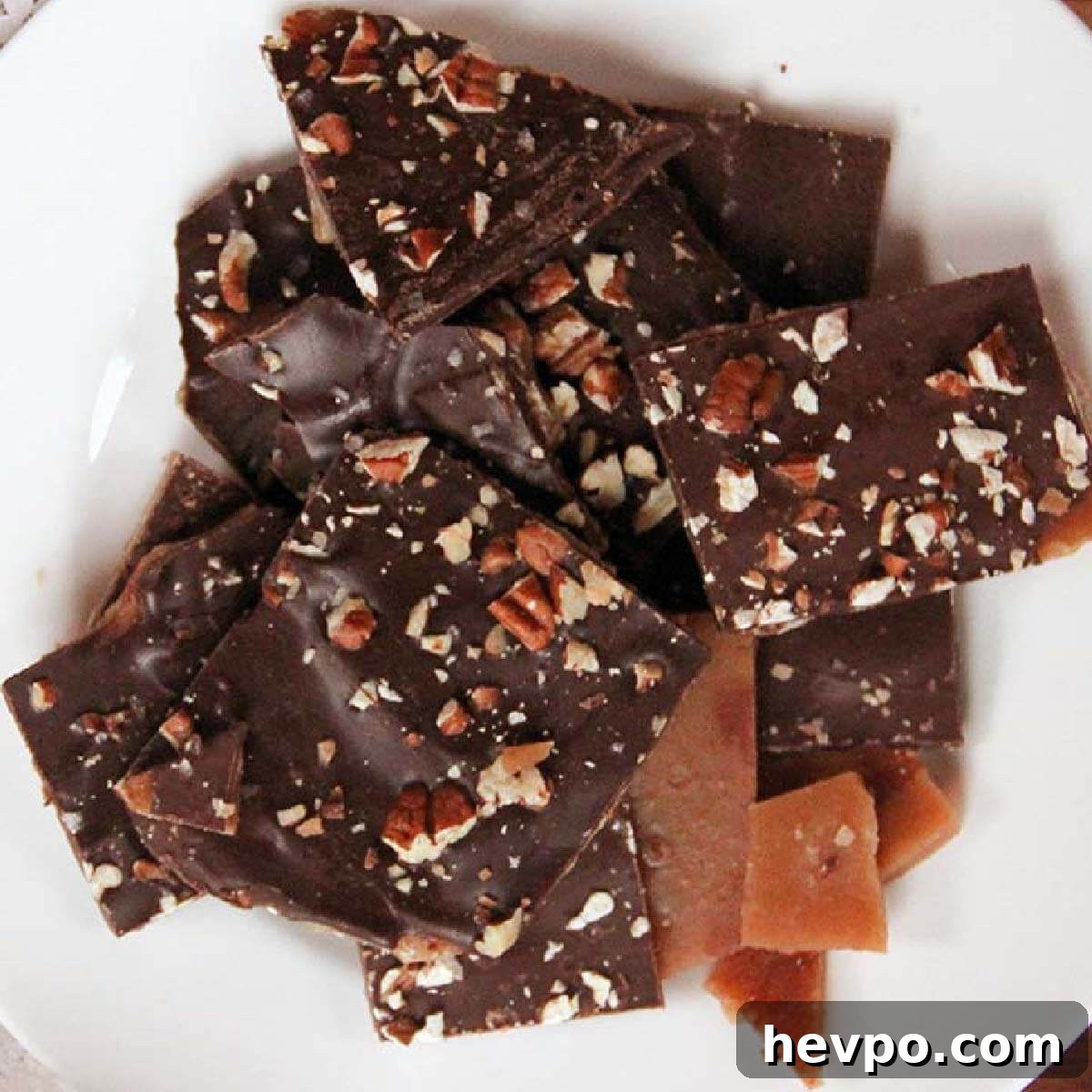
Easy butter toffee recipe for a homemade treat that’s crunchy, buttery, and utterly addictive—perfect for candy lovers! Don’t let candy-making intimidate you; this clear guide helps you make delicious butter toffee to share with family and friends—an ideal edible gift.
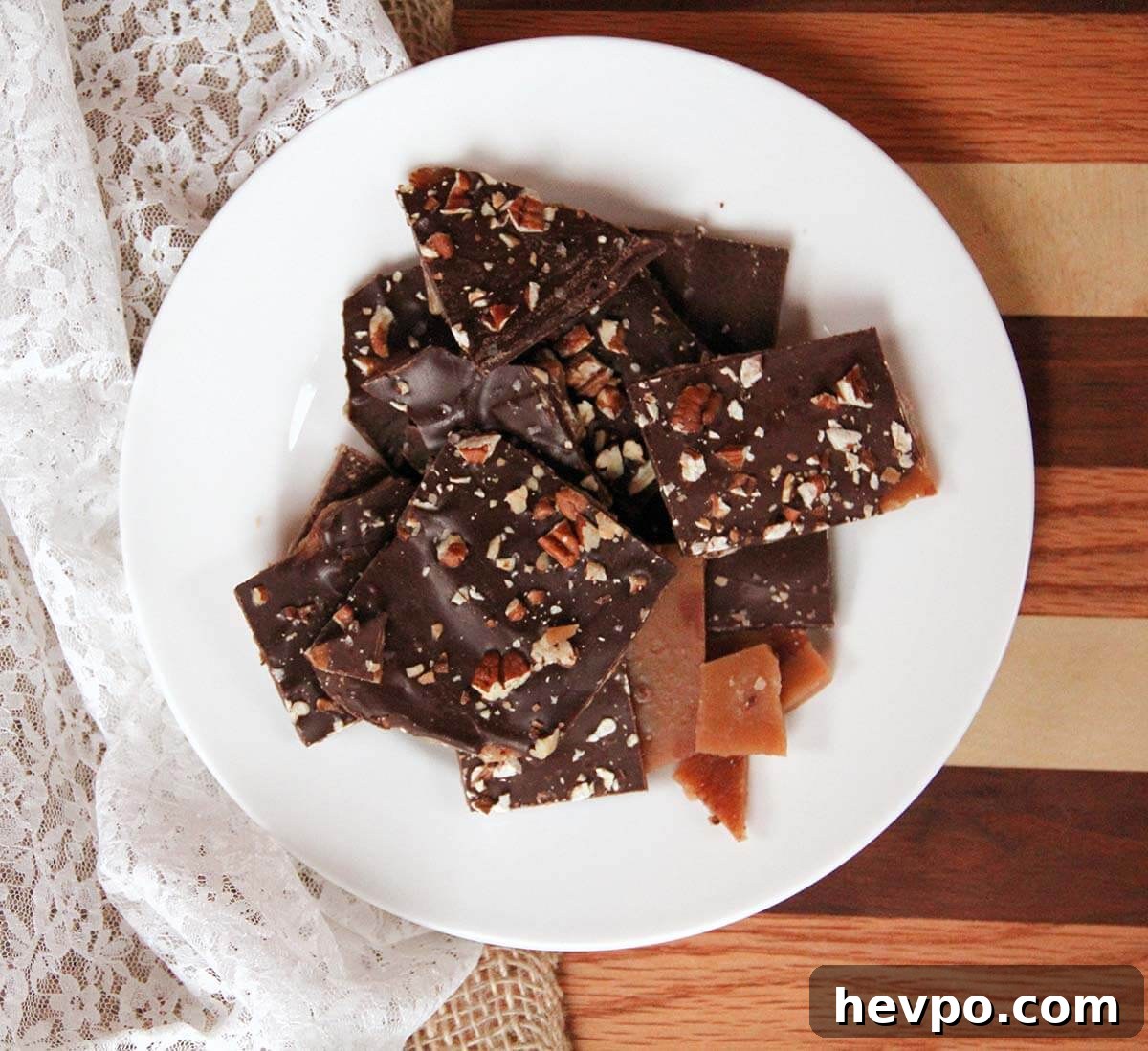
Homemade butter toffee has a way of brightening any moment. With a crisp, caramelized base, a smooth chocolate layer, and a crunchy topping, it’s a treat that delights all ages. Best of all, you can make a batch at home with basic ingredients and simple technique.
No prior candy-making experience is required. This recipe walks you through each step in plain language, so even first-timers can confidently create a beautiful English toffee. Gather your tools, read through the method, and prepare to enjoy a new favorite sweet.
We also enjoy other homemade candies and confections. Try pretzel bark or Oreo truffles for more easy, crowd-pleasing sweets.
Butter toffee makes a lovely gift. Package pieces in small boxes or bags with ribbon for a thoughtful, edible present. It also pairs nicely with other homemade gifts like brownie mix in a jar or a batch of biscotti for a coffee-friendly combo.
How to prevent toffee from separating
Separation—when the butter and sugar split into an oily layer and grainy solids—is the most common problem when making toffee. You can avoid it with a few key practices:
- Use a heavy-bottomed pan. A thick pan distributes heat evenly and reduces hot spots that can cause separation.
- Use real butter. Margarine or low-quality spreads increase the chance of separation.
- Melt butter and sugar slowly over low heat. Stir until the butter is fully melted and the sugar dissolves; this can take several minutes. Then raise the heat gradually to medium.
- Avoid sudden temperature changes. Gradual temperature increases help the ingredients stay emulsified.
- Butter the pan edges. Rubbing a little butter around the pan rim can help prevent sugar crystals from forming there.
- Stop stirring once the mixture reaches about 200°F. Continued stirring past this point can encourage crystallization or separation.
What to do if butter toffee separates
If separation occurs, remove the pan from the heat and stir constantly to try to bring the mixture back together. If needed, return to low heat while stirring. A tablespoon or two of hot water whisked in can sometimes re-emulsify the mixture—start with one tablespoon and add no more than 2–3 tablespoons total.
If the candy has already been poured and the fat separates as it cools, you can still salvage it as a crunchy topping: let it cool, wipe away excess oil, then break or crush it to use over ice cream, yogurt, or baked goods.
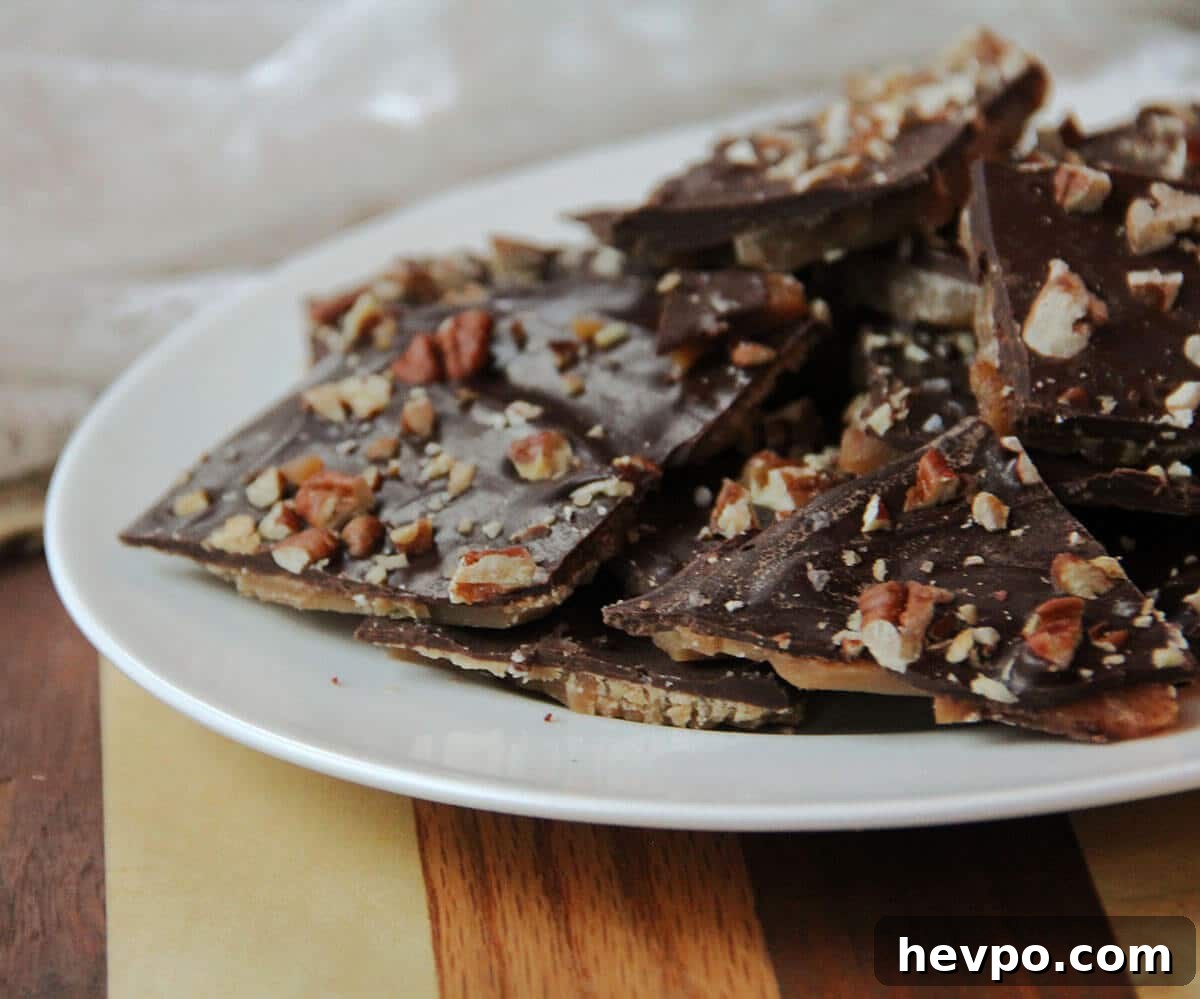
Ingredients
- Unsalted butter – salted butter will work if that’s what you have.
- Granulated white sugar – this recipe uses white sugar for a classic texture and flavor.
- Water – a small amount helps dissolve the sugar initially.
- Vanilla extract – a teaspoon to brighten the flavor.
- Pinch of salt – enhances the toffee’s sweetness and depth.
- Bittersweet or dark chocolate – about 8 ounces to coat the cooled toffee.
- Pecans – finely chopped and toasted, or substitute almonds or walnuts.
- Coarse sea salt (optional) – for a nut-free salted version.
Variations
- Use milk or semi-sweet chocolate for a sweeter topping.
- Swap pecans for almonds or walnuts, or omit nuts entirely for a nut-free version.
- Top with chopped candy canes for a festive peppermint twist.
- Sprinkle coarse sea salt over the melted chocolate for a sweet-and-salty contrast.
Try making one batch with nuts and another with sea salt so guests with different preferences can enjoy both. The sweet-salty version is especially addictive and requires no additional chopping.
How to make butter toffee
Prep the pan. Line a baking sheet with heavy-duty aluminum foil, forming a shallow shell with 1-inch sides, and place it on another baking sheet. Alternatively, use a silicone baking mat. Foil works well because toffee can adhere more than it does to parchment in some cases.
Toast the nuts. Chop pecans and spread them on a baking sheet. Toast at 350°F for 6–8 minutes until fragrant and lightly browned; allow to cool.
Cook the sugar. In a large, heavy-bottomed saucepan, combine 1 cup unsalted butter, 1 cup granulated sugar, 2 tablespoons water, and a pinch of salt. Cook over low heat, stirring constantly, until the butter melts and the sugar dissolves.
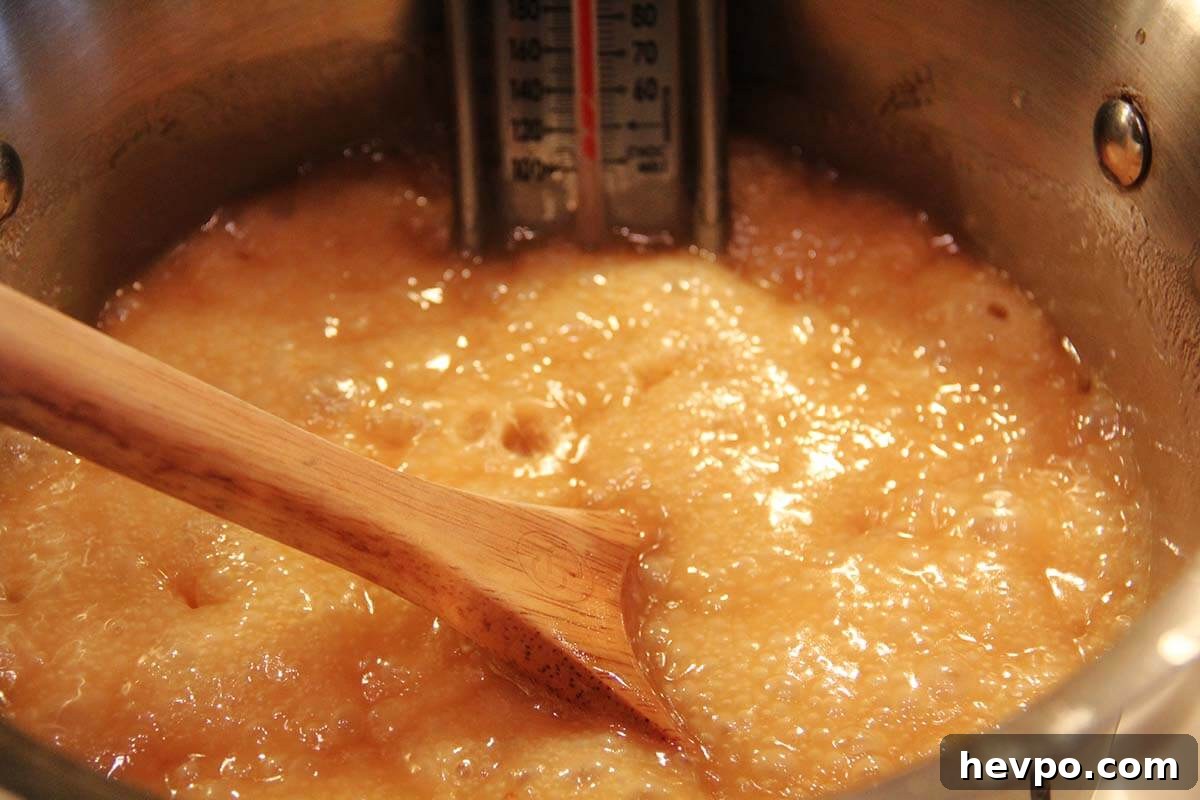
Increase the heat to medium and stir occasionally until the mixture reaches 200°F on a candy thermometer. Stop stirring and allow it to continue cooking until it reaches 300°F and turns a deep golden brown.
Add vanilla. Remove from heat and carefully stir in 1 teaspoon vanilla (the mixture may sputter—use an oven mitt).
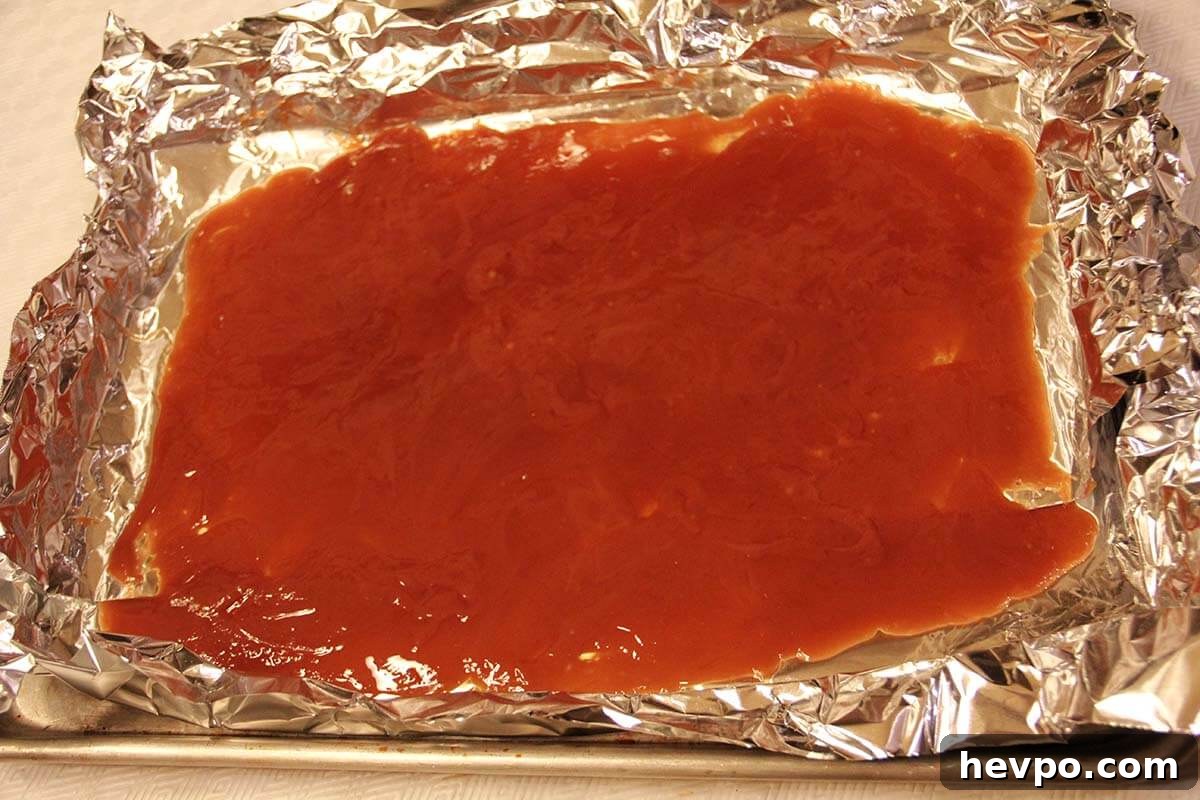
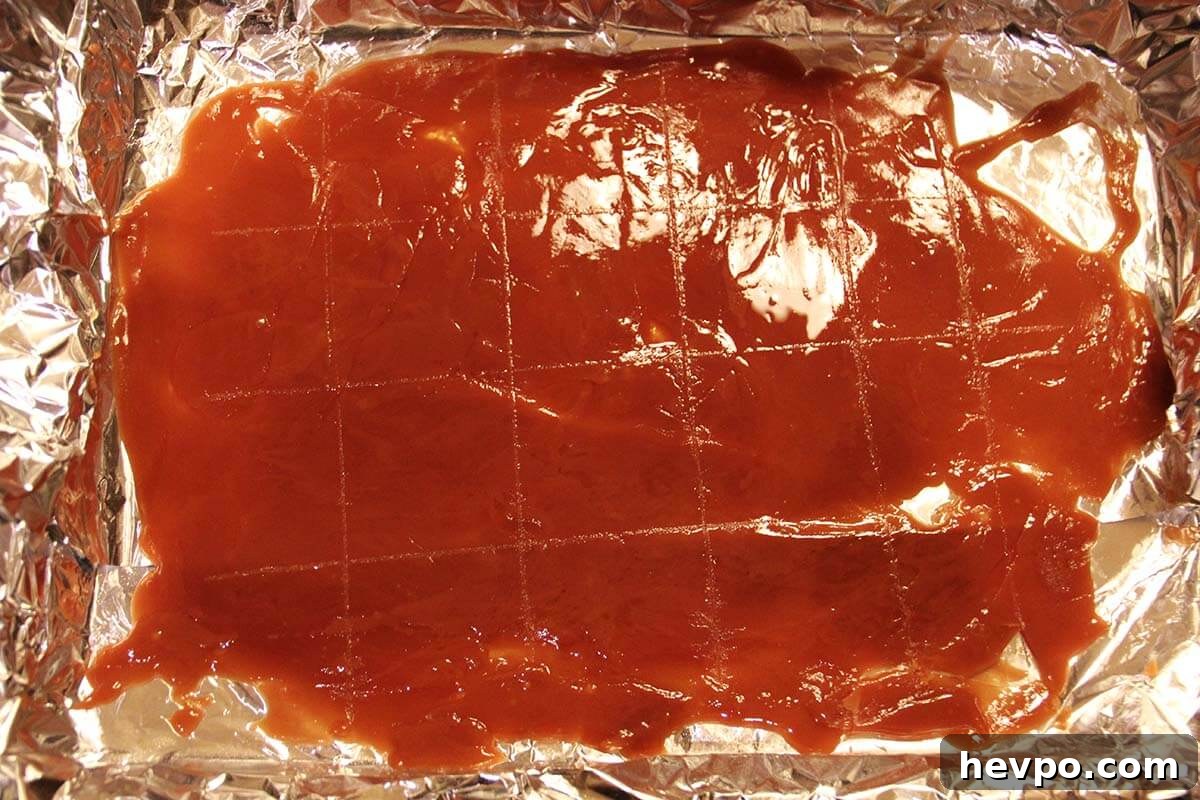
Spread the toffee. Pour the hot toffee into the prepared foil shell and quickly spread it into an even layer with an offset spatula; avoid spreading the mixture so thin that edges become brittle. Work swiftly—the toffee begins to set almost immediately. Let cool at room temperature for about 45 minutes or until firm.
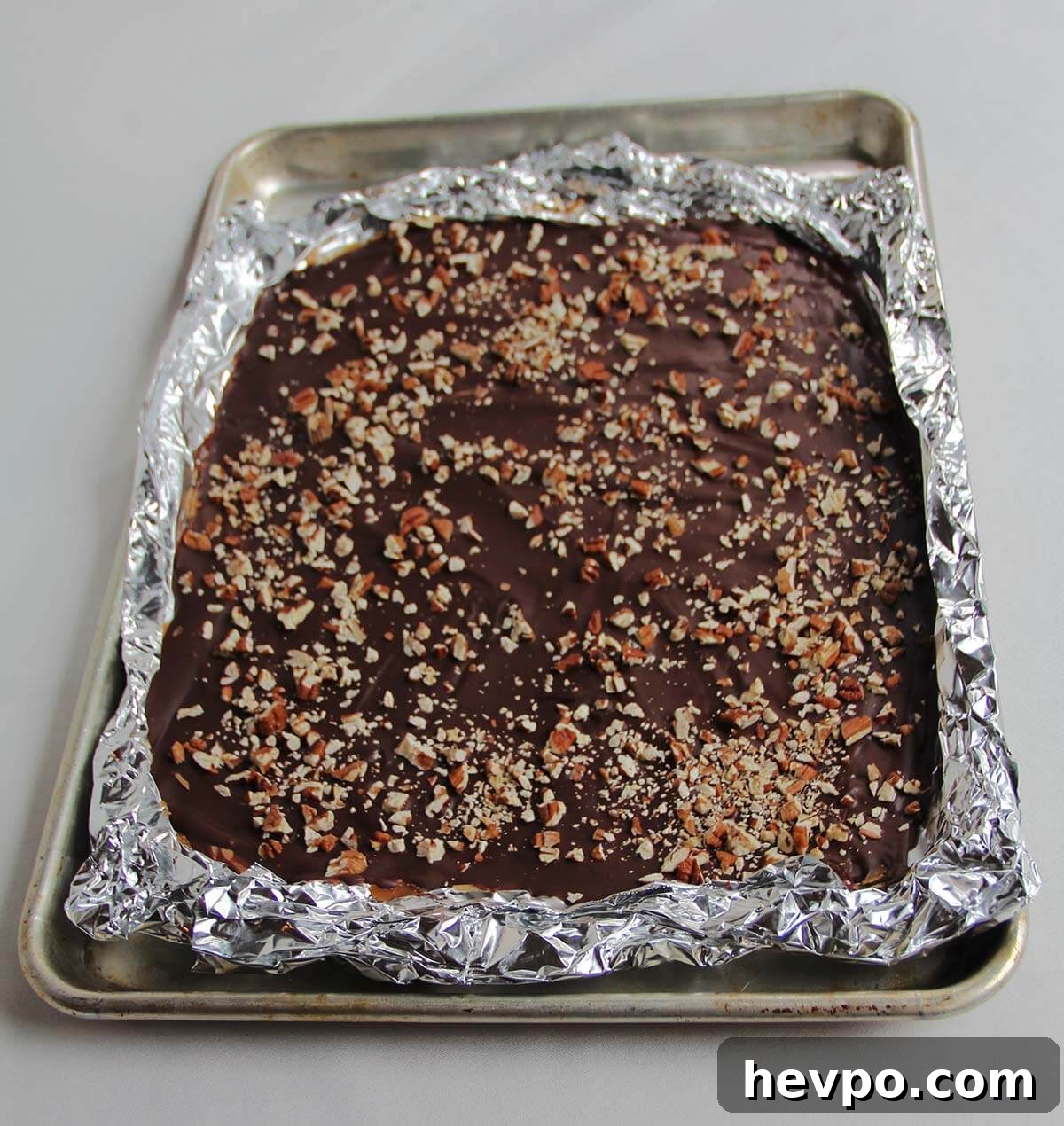
Finish with chocolate and topping. Melt about 8 ounces of bittersweet chocolate according to package directions and spread it over the cooled toffee. Immediately sprinkle toasted pecans or coarse sea salt over the chocolate, pressing lightly to set. Let rest at room temperature until the chocolate is fully set, at least 1 hour.
Break and store. Once fully set, break the toffee into pieces. Store in an airtight container at room temperature for up to one month, or freeze portions for longer storage.
Tips
- Use a reliable candy thermometer to hit the exact temperatures required for crisp toffee.
- A heavy-bottomed saucepan prevents hot spots and helps keep the mixture emulsified.
- Line the pan with aluminum foil or a silicone mat to make removal and cleanup easier.
FAQs
Can you freeze this recipe? Yes. Break the toffee into pieces, freeze them spread on a baking sheet, then transfer to an airtight container or freezer bag.
Can you make it ahead? Absolutely. Toffee keeps for a couple of weeks at room temperature when stored in an airtight container, making it ideal for holiday prep.
How should it be stored? Store butter toffee in a cool, dry place in an airtight container to maintain its crunch and keep the chocolate from blooming.
This butter toffee recipe is a straightforward way to create homemade candy that tastes far richer than the effort required. Whether you share it as gifts or keep it for yourself, it’s a reliably delicious treat.
If you make this recipe, please leave a comment and a rating below!
Butter Toffee
Easy butter toffee recipe for a homemade treat that’s crunchy, buttery, and utterly addictive—perfect for candy lovers!
Ingredients
Toffee
- 1 cup unsalted butter
- 1 cup granulated sugar
- 2 tablespoons water
- 1 teaspoon vanilla
- Pinch of salt
Topping
- 8 ounces bittersweet chocolate
- ¾ cup pecans, finely chopped
- Coarse sea salt (optional)
Instructions
- Preheat oven to 350°F.
- Prep the pan: create a foil shell with 1-inch sides on a baking sheet or use a silicone baking mat.
- Toast pecans for 7–8 minutes until fragrant and lightly browned. Set aside to cool.
- In a large, heavy-bottomed saucepan, cook butter, sugar, salt, and water over low heat, stirring until butter melts and sugar dissolves.
- Increase heat to medium and stir occasionally until the mixture reaches 200°F. Stop stirring and continue cooking until it reaches 300°F and becomes deep golden brown.
- Remove from heat and carefully stir in vanilla—the mixture may sputter.
- Pour the hot toffee into the prepared foil shell and quickly spread into an even layer. Cool at room temperature about 45 minutes or until firm.
- Melt chocolate according to package directions. Spread over cooled toffee and sprinkle with pecans or coarse sea salt, pressing lightly to set.
- Allow to set at room temperature at least 1 hour or until chocolate is firm. Break into pieces and store covered at room temperature for up to 1 month.
Nutrition
Serving: 20 pieces — Calories: 211 kcal; Carbohydrates: 16 g; Protein: 1 g; Saturated Fat: 8 g; Cholesterol: 25 mg; Sodium: 2 mg; Fiber: 1 g; Sugar: 14 g.
UPDATE NOTES: This post was originally published December 23, 2014, and updated December 31, 2023, with step-by-step photos, an updated recipe, and additional tips.