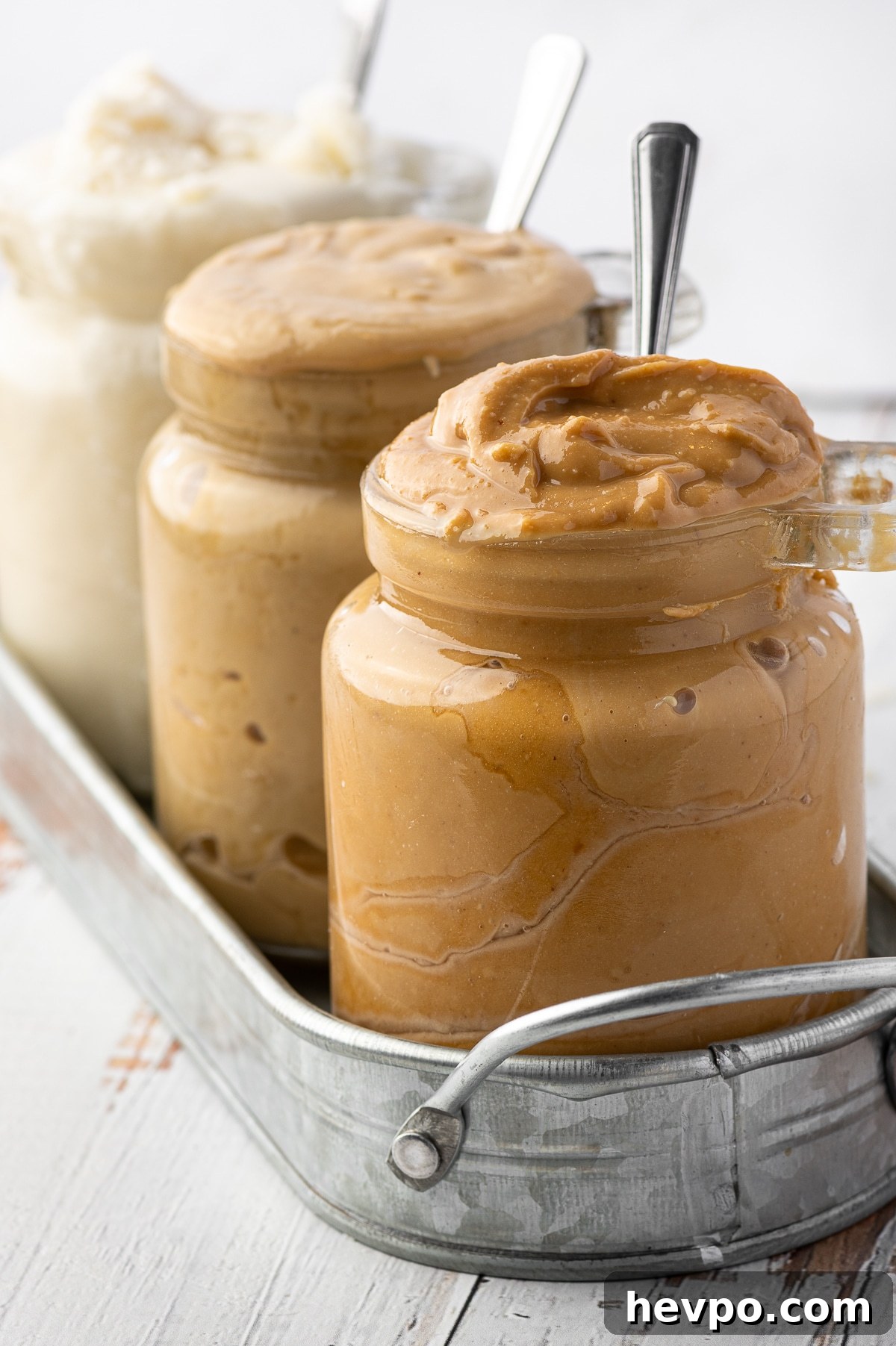
There are more varieties of nut butter than ever, and each one behaves differently in the kitchen. After testing many types, I’ll share which nut butters work best for low-carb baking and how to use them for the best results.
Which nut butter is your favorite? Producers keep releasing new flavors and blends, and tasting them is part of the fun. For low-carb eaters, nut butters offer concentrated healthy fats and protein, making them useful in baked goods, no-bake desserts, and savory dishes.
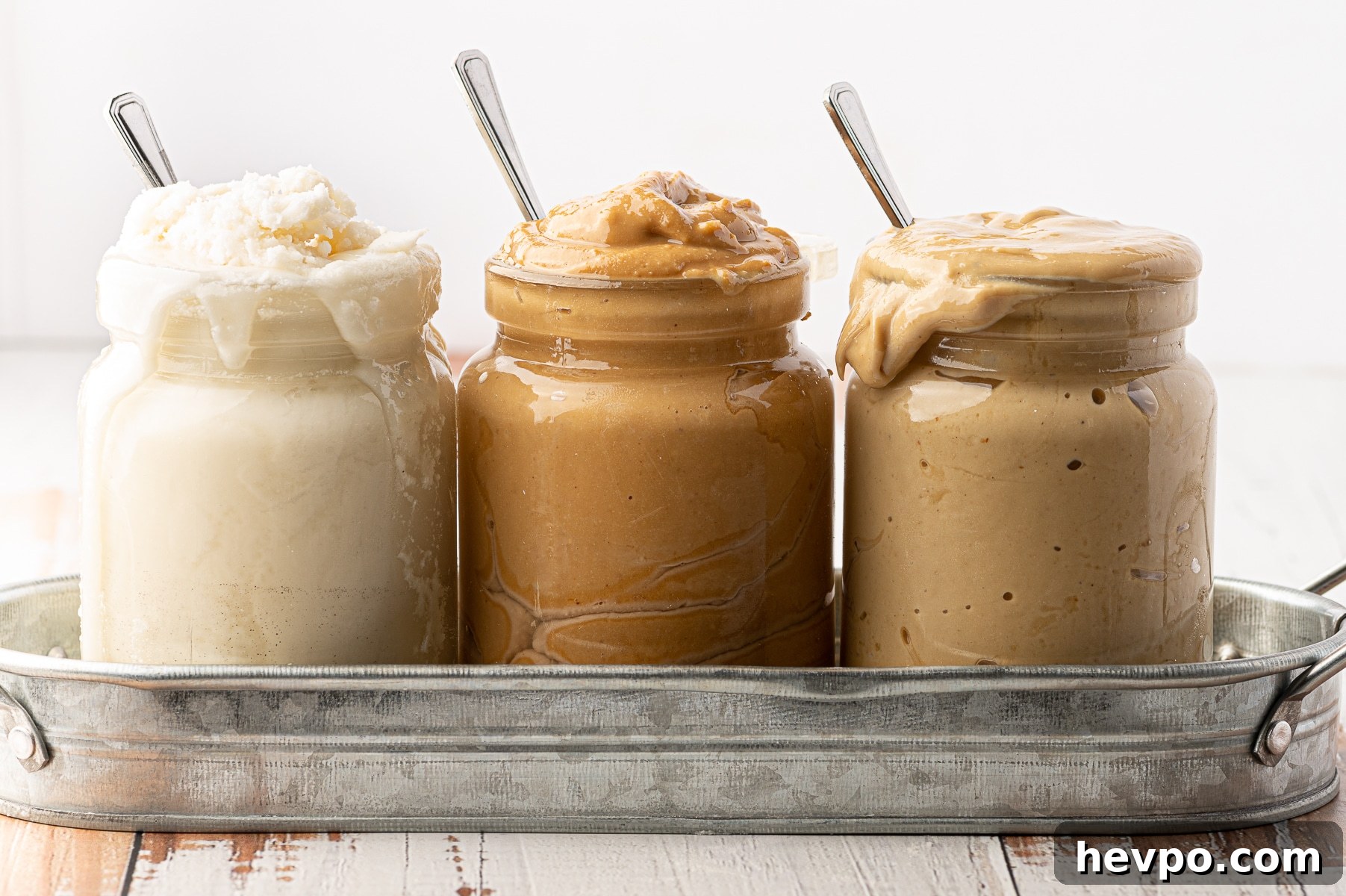
The Best Nut Butters For Low-Carb Baking
This guide highlights nut butters that perform well in low-carb desserts. Each one differs in fat content, texture, flavor, and cost. I’ll also note which options swap easily 1:1 for peanut butter so you can substitute without reworking recipes.
We’ll start with the most common one: peanut butter.
1. Peanut Butter
Peanut butter is the most familiar nut butter and a staple in many recipes. It’s fine in moderation, but consider limiting frequent large servings because of its fatty-acid profile.
Carb Count: About 2 grams of carbs per tablespoon for sugar-free or natural varieties.
Peanut Butter Nutrition
Peanut butter is a convenient source of plant-based protein and provides several micronutrients such as copper, folate, iron, and vitamin B3. When used in moderation, it can support weight management and heart health.
One downside is its relatively high omega-6 fatty acid content; excessive omega-6 intake can promote inflammation if not balanced with omega-3s. This generally becomes a concern only with heavy, regular consumption. Choose natural peanut butter without hydrogenated oils or unnecessary additives.
2. Almond Butter
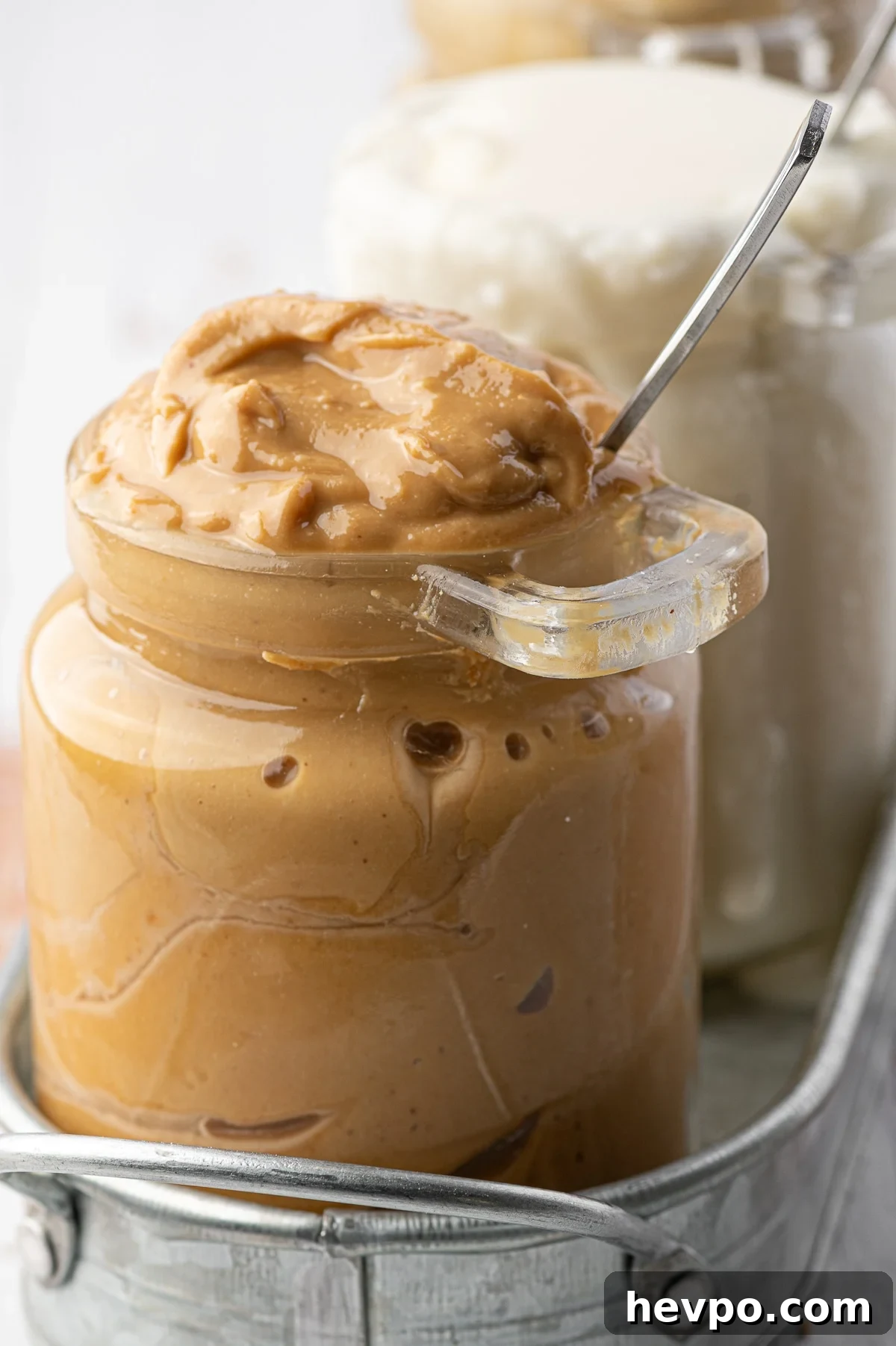
Almond butter is a great peanut-free alternative with a rich, nutty flavor that’s filling and versatile in baking.
Carb Count: Around 2.5 net grams of carbs per tablespoon.
Almond Butter Nutrition
Almond butter is heart-friendly, with less saturated fat and more monounsaturated fat than peanut butter, plus higher fiber and calcium content. It also supplies magnesium, which helps regulate blood sugar and blood pressure. In recipes, almond butter typically swaps 1:1 with peanut butter, making substitutions simple.
3. Coconut Butter
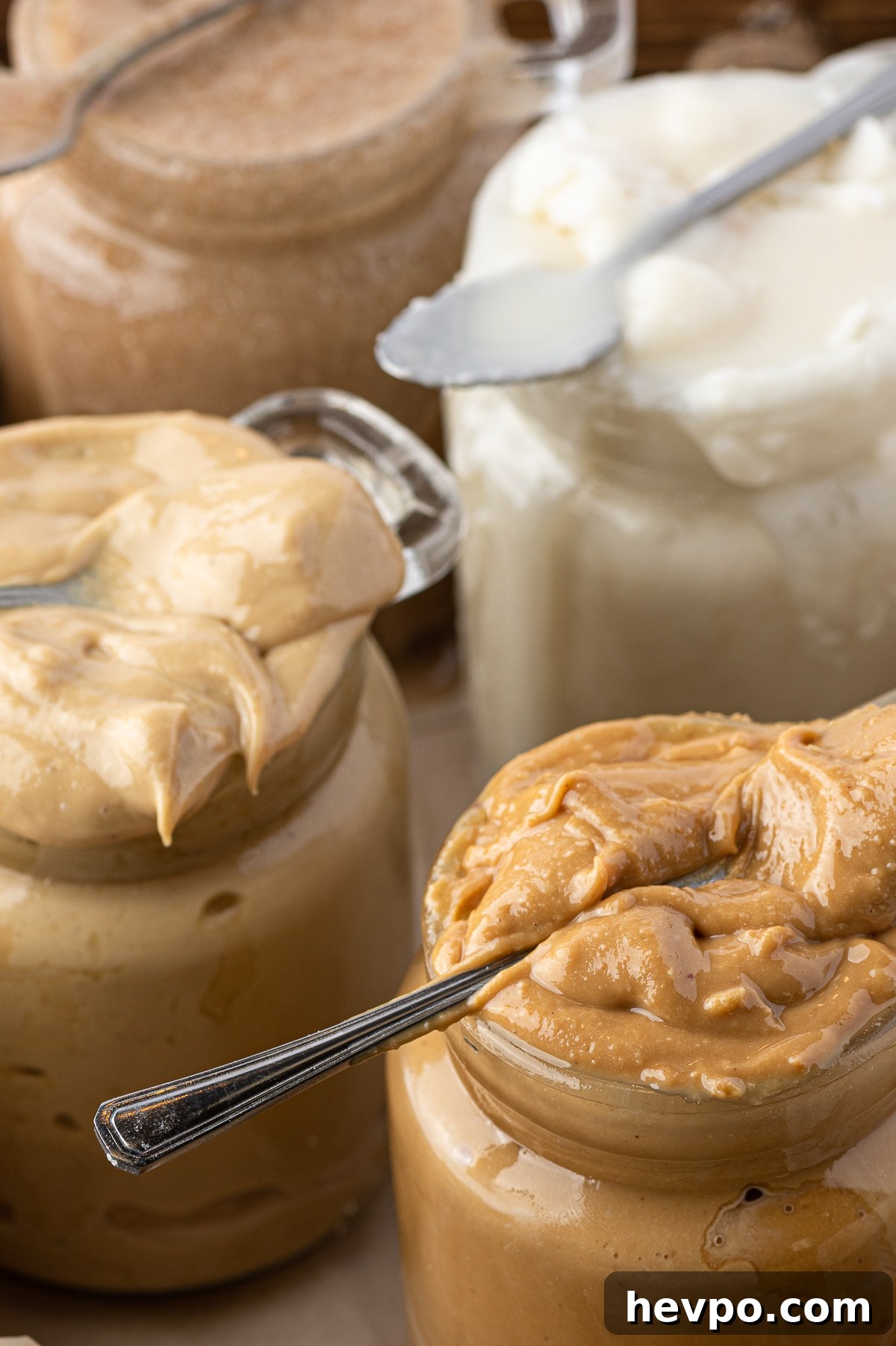
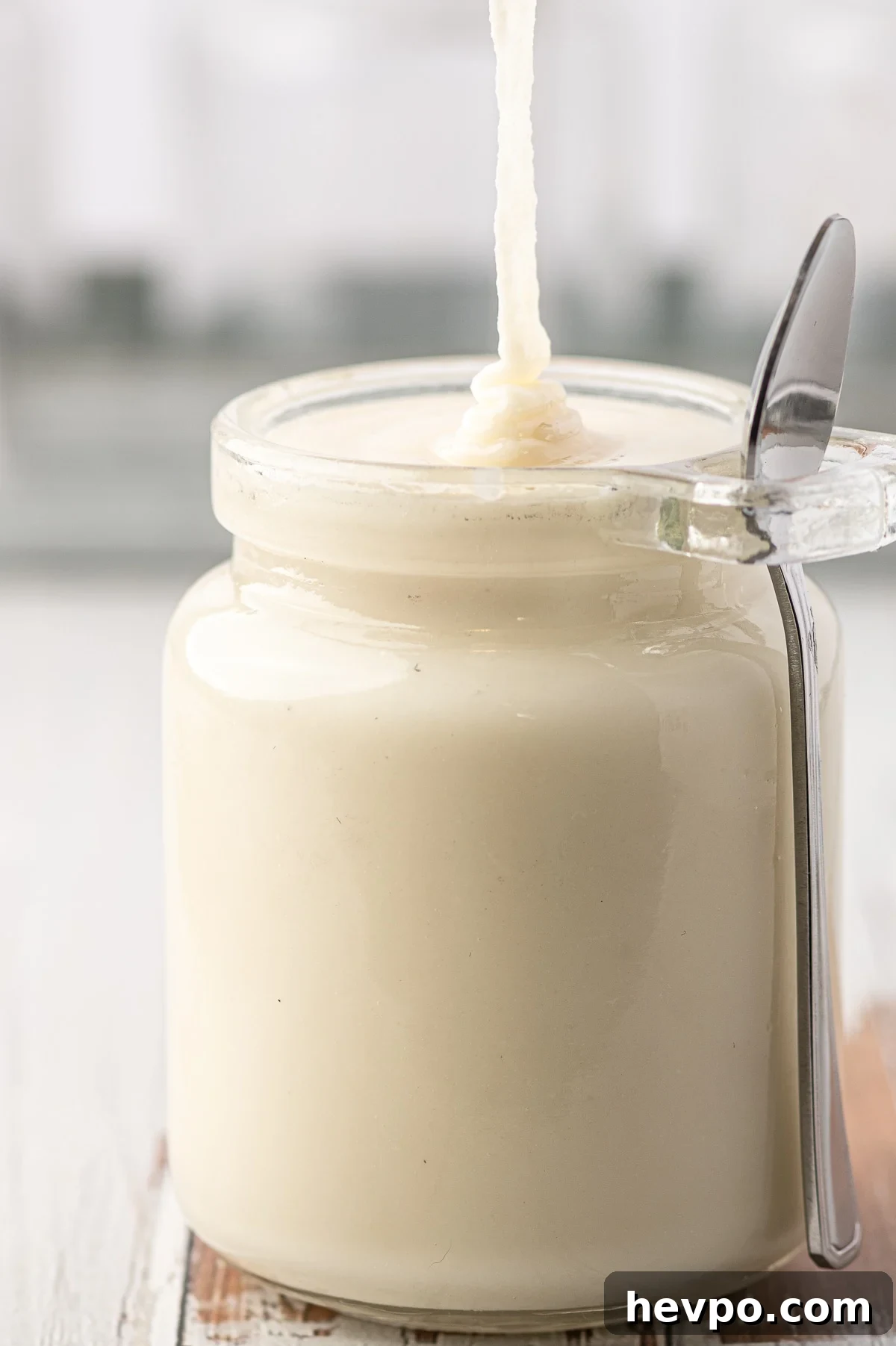
Coconut butter is made from pureed coconut meat and should not be confused with coconut oil. It contains fiber in addition to healthy fats and minerals.
Carb Count: Approximately 1.4 net grams of carbs per tablespoon.
Coconut Butter Nutrition
Coconut butter carries many of the benefits of coconut—healthy fats, fiber, potassium, magnesium, and iron. It has a distinct coconut taste, so consider flavor compatibility when using it as a direct substitute for peanut butter. If you like the flavor, it works beautifully in many low-carb treats.
4. Cashew Butter
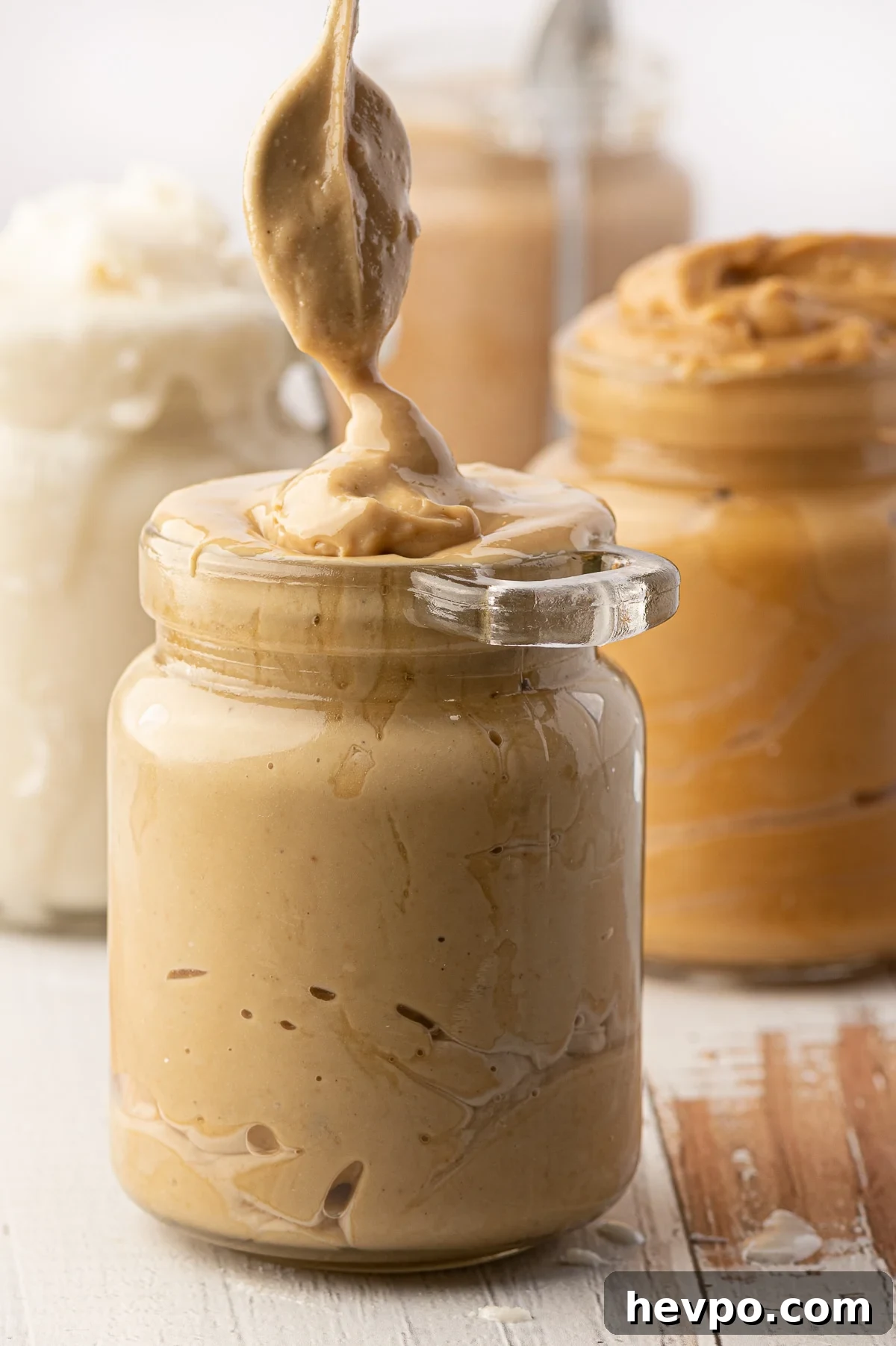
Cashew butter is prized for its smooth texture and naturally sweet, mild flavor. It creates a creamy mouthfeel in baked goods.
Carb Count: About 1.8 net grams of carbs per tablespoon.
Cashew Butter Nutrition
Cashew butter contains monounsaturated fats, essential amino acids, and protein, supporting cholesterol and blood pressure control and a healthy metabolism. It lacks the higher omega-3 content of some other butters, and its mild flavor can produce subtler baked goods—consider adding vanilla or spices to boost aroma and depth. With a few tweaks, it can stand in for peanut butter in many recipes.
5. Macadamia Nut Butter
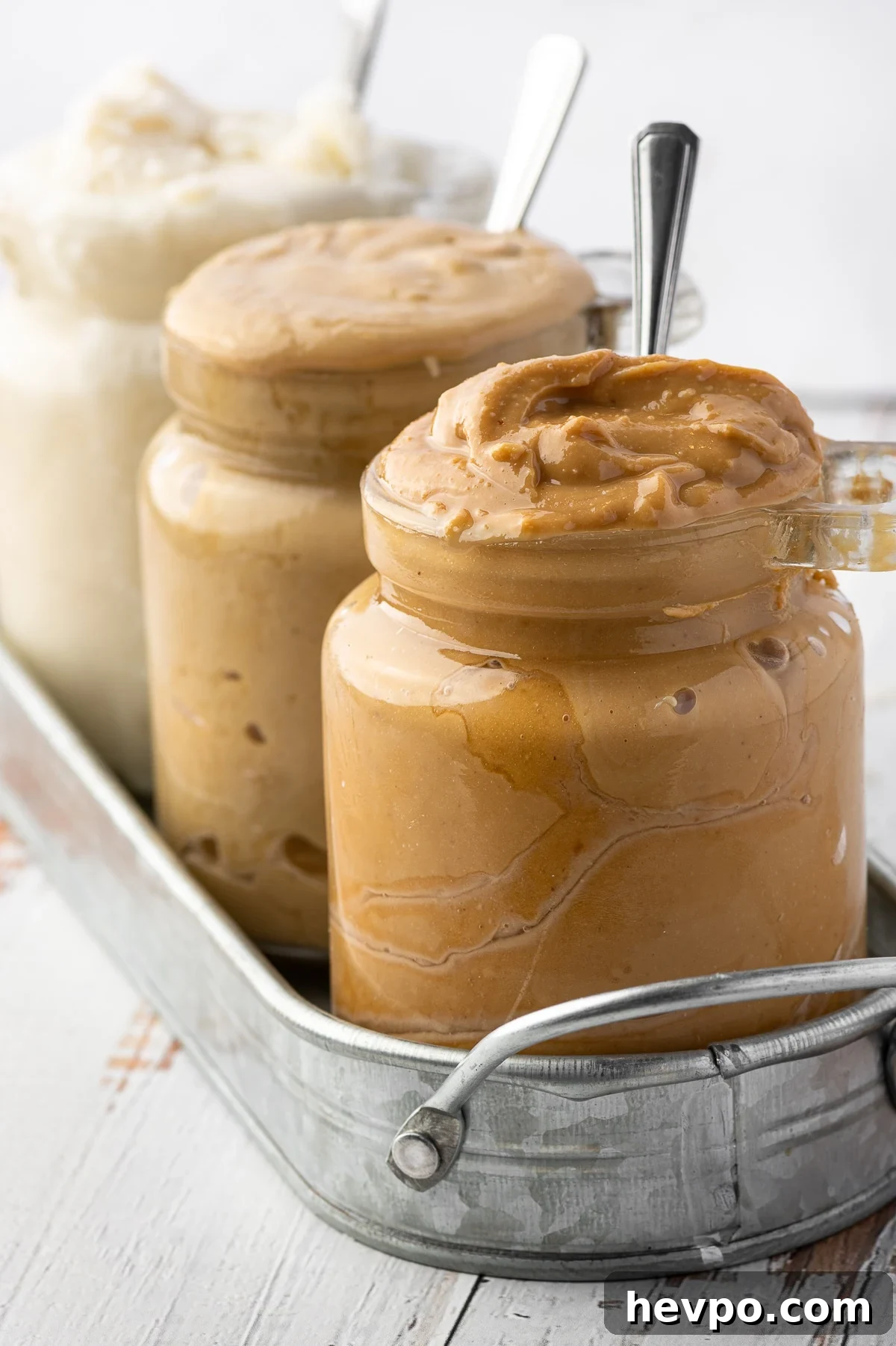
Macadamia butter is very mild and ultra-creamy. Many bakers prefer using chopped macadamias in recipes, but the butter version blends well into low-carb treats.
Carb Count: Around 1 gram net carbs per tablespoon.
Macadamia Nut Butter Nutrition
Macadamia butter is rich in monounsaturated fats, which support healthy cholesterol levels, and contains antioxidants that help combat oxidative stress. Its smooth texture makes it an easy 1:1 swap for peanut butter in baking.
6. Pecan Butter
Pecan butter offers a unique flavor profile and is less common but very nutritious. It’s a solid option if you want variety and iron-rich choices.
Carb Count: Approximately 2.5 grams of carbs per tablespoon.
Pecan Butter Nutrition
Pecan butter contains many vitamins and minerals, including vitamins A, B, and E. Like some other nut butters, it has omega-6 fatty acids, so enjoy it in moderation. Pecan butter can be used 1:1 for peanut butter, though its stronger taste and slightly different texture may change the final flavor—try a small test batch first. Blending pecan butter with coconut butter, cinnamon, and a splash of vanilla makes a cozy, seasonal spread.
7. Hazelnut Butter
Hazelnut butter brings a rich, slightly sweet, roasted flavor that pairs beautifully with chocolate or vanilla in low-carb desserts.
Carb Count: Around 1.7 net grams of carbs per tablespoon.
Hazelnut Butter Nutrition
Hazelnuts provide protein and a range of nutrients, and their healthy-fat profile has been associated with lower inflammation and potential disease-protection benefits. Hazelnut butter’s creamy texture and mild flavor make it a reliable 1:1 alternative to peanut butter in many recipes.
Benefits of Making Your Own Nut Butter
Homemade nut butter is simple to prepare and offers several advantages. It’s often far cheaper to make your own from bulk nuts, and you control the ingredients—no unwanted stabilizers, hydrogenated oils, or excessive sugars.
Making nut butter at home lets you tailor flavor and texture: adjust sweetness, add vanilla, extracts, spices, or small-batch gourmet combinations. Small batches reduce waste and prevent large jars from going stale, which helps minimize food waste and keeps your flavors fresh.
How To Choose The Best Nut Butters
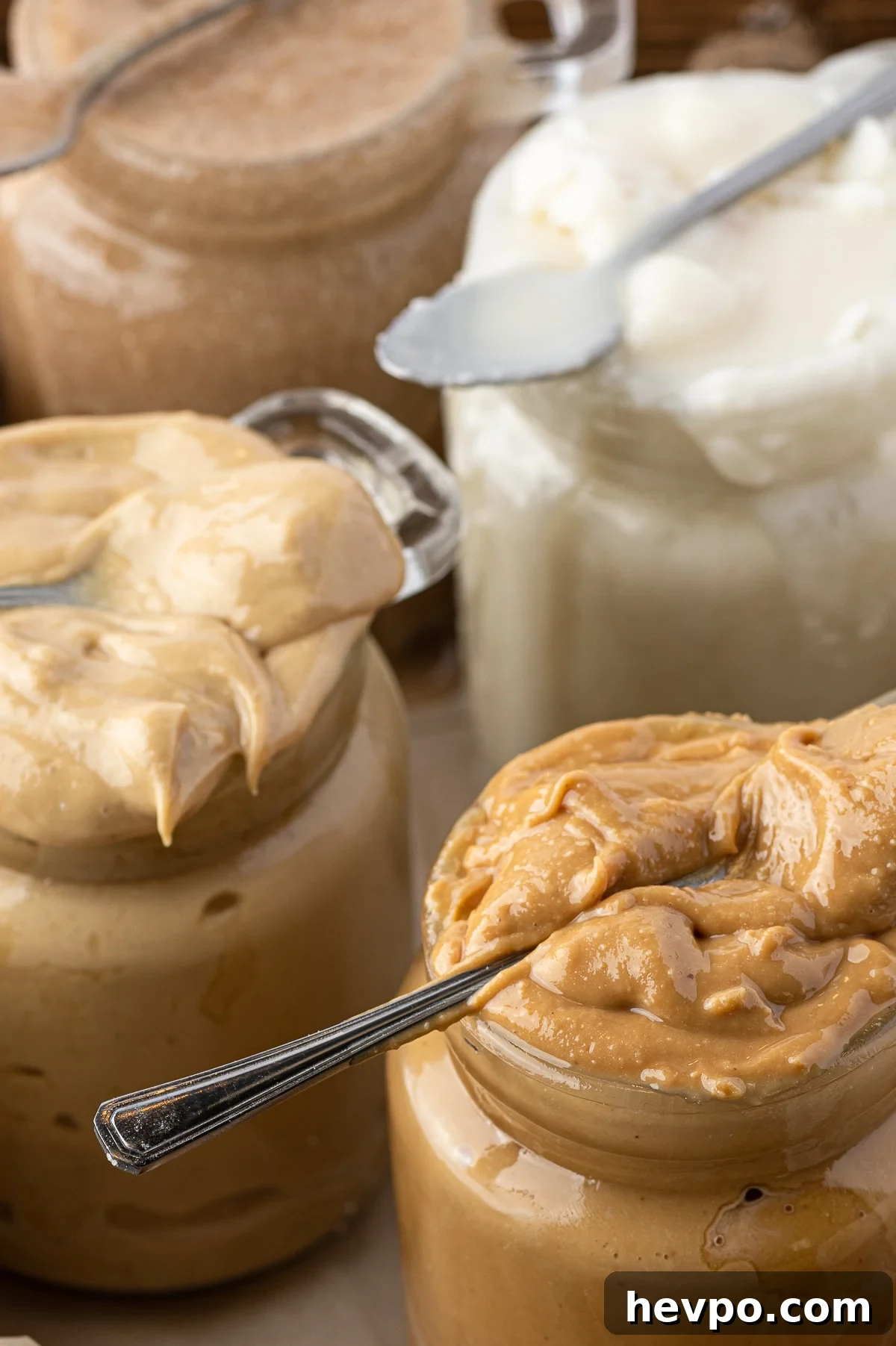
Choosing the right nut butter depends on taste, texture, price, and nutritional priorities. If you want a close peanut butter swap, almond, macadamia, and hazelnut butters work well 1:1. Coconut, pecan, and cashew bring unique flavors and may require slight recipe tweaks to match sweetness or aroma.
Pick nut butters based on how they’ll complement the recipe: use mild, smooth butters for delicate cakes and cookies, and bold, flavorful butters for bars, frostings, or spreads.
Nut Butters: My Favorite Recipes
Here are some favorite nut-butter-centered recipes you can adapt with different butters:
- Low Carb Peanut Butter Pie With Fudge Crust
- Sugar-Free Marshmallow Bars With Chocolate And Peanut Butter
- Low-Carb PB&J Muffins
- Creamy Peanut Butter Ice Cream Cake