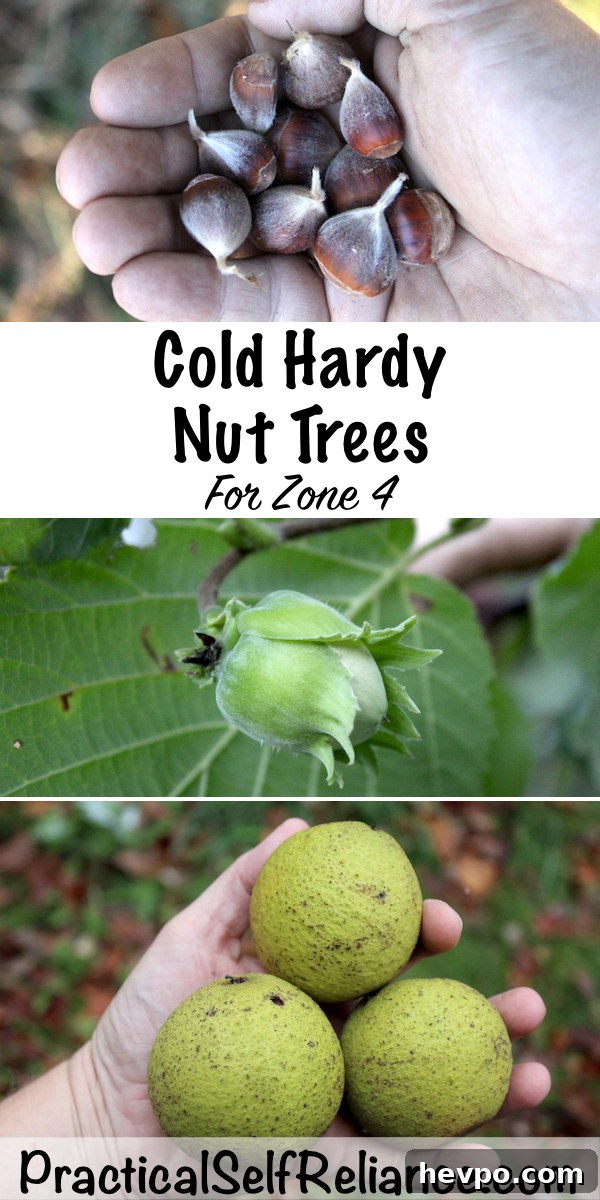
Nuts provide concentrated protein and healthy fats, store well in a cool root cellar, and can last into spring. Many commercial nuts originate from warmer climates—almonds thrive in California and pecans in the South—so homesteaders in cold northern zones should consider species adapted to low temperatures.
If you live in a cold region, look beyond supermarket varieties and choose trees bred or native for cold hardiness. The following guide covers dependable nut trees and shrubs that do well in northern climates.
Black Walnut (Juglans nigra)
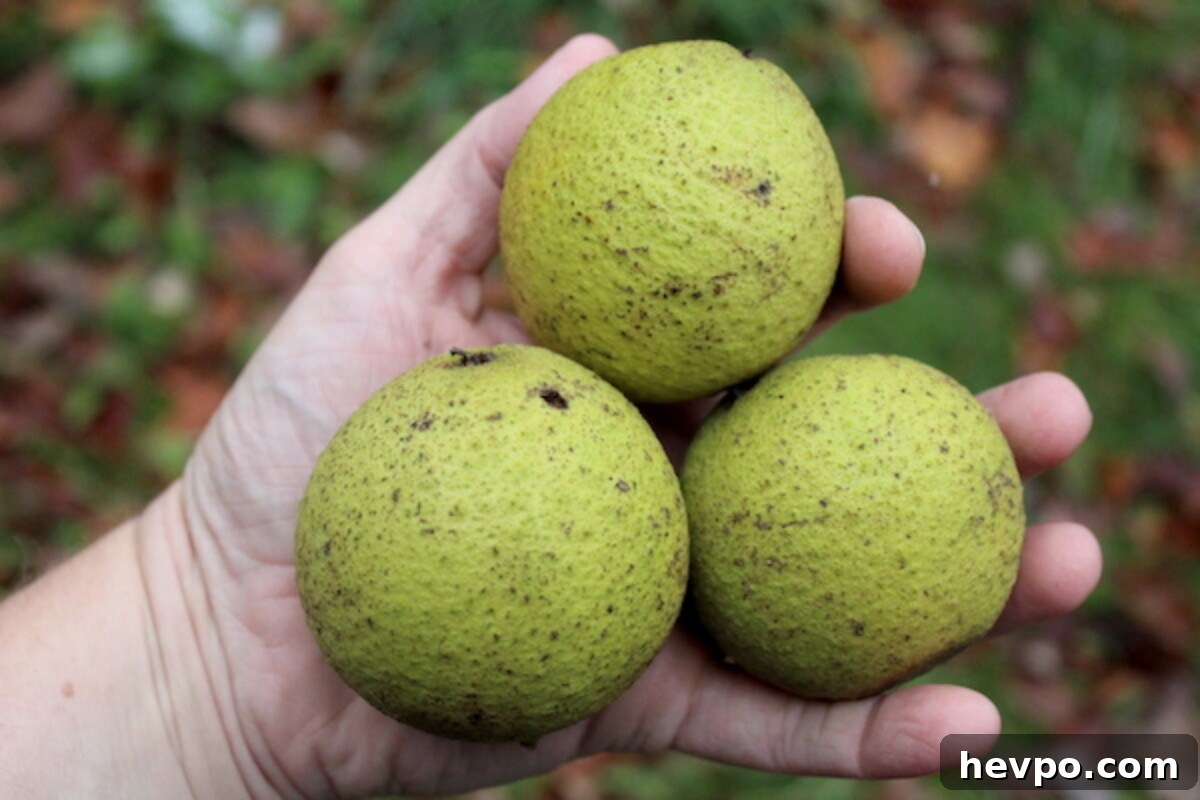
Black walnuts are native to temperate regions and tolerate cold winters well. Young trees can begin producing nuts around four years, but a substantial crop often takes two decades. Today they are often valued for timber, yet they produce flavorful nuts if you can crack the hard shells.
Common cracking methods include placing nuts in a doubled burlap sack on a stump and striking them with a small sledgehammer. Avoid letting the green husk age on the nut—removing husks quickly reduces bitterness. Once shelled, black walnuts store for a shorter time than when left in the shell.
The dark outer husk is also useful as a natural dye and contains iodine, a nutrient less available inland than on the coast. Black walnuts develop long taproots that make transplanting difficult, so planting from seed directly where they will grow is recommended.
Carpathian Walnut (Juglans regia)
The Carpathian walnut is a cold-hardy form of the common walnut, selected for improved winter tolerance. These walnuts are typically sweet and easier to crack than black walnuts—some varieties can be opened by hand. Certain strains are hardy to USDA zone 4; source trees from nurseries that specialize in cold-climate stock to ensure survival.
Manchurian Walnut (Juglans mandshurica)
Native to northeastern Asia, the Manchurian walnut is noted for rapid growth and strong cold tolerance. Nuts tend to be smaller and can be more difficult to extract from their shells, but the species’ hardiness makes it a candidate for cold orchards. Growth and flavor reports vary, so trying young trees and evaluating local performance is sensible.
Butternut (Juglans cinerea)
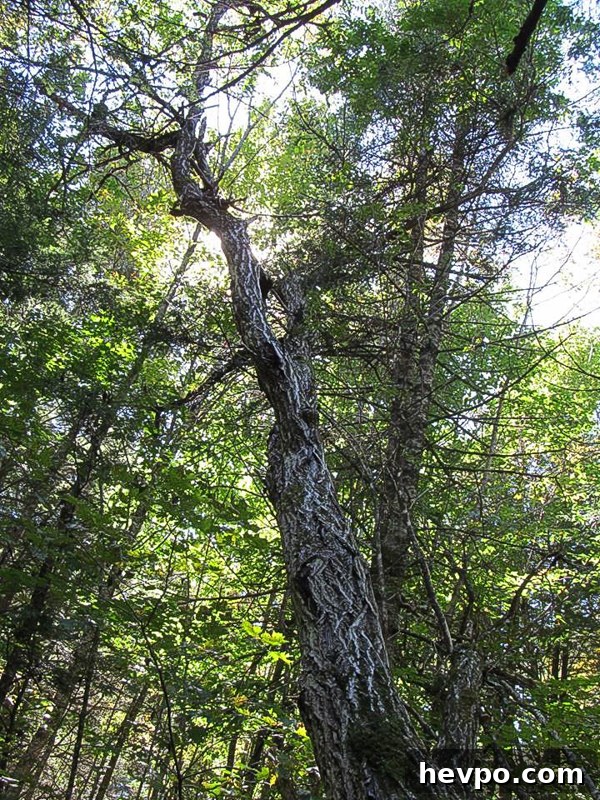
Butternuts are native to northeastern North America and tolerate cold conditions well. Their nuts have a sweet, buttery flavor similar to walnut. Many wild populations have declined due to butternut canker, but isolated plantings away from infected stands can establish and fruit without immediate disease pressure.
Breeding and hybrid programs are producing resistant or hybridized trees less susceptible to the canker. Mature butternuts display attractive silver-gray, cross-hatched bark that makes them easy to identify year-round.
Heartnuts (Juglans ailantifolia)
Heartnuts, native to Japan, are hardy to about zone 4 and produce sweet, relatively easy-to-crack nuts. When split, the shell often opens in two halves that resemble a heart—hence the name. Because heartnuts have been used in landscapes throughout the Northeast, natural hybrids with butternuts occur; breeders have also developed deliberate hybrids.
Buartnut (Juglans cinerea × Juglans ailantifolia)
The buartnut is a hybrid between butternut and heartnut that combines disease resistance with productive yields. It closely resembles butternut but resists the canker, often grows faster, and generally produces more nuts than either parent—making it a practical, disease-resistant choice for northern growers.
Chestnuts (Castanea sp.)
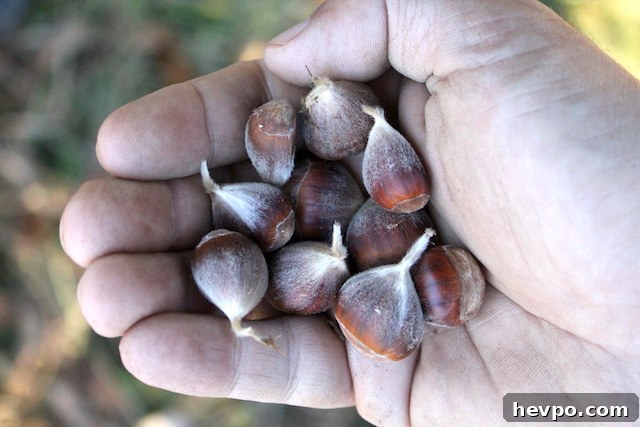
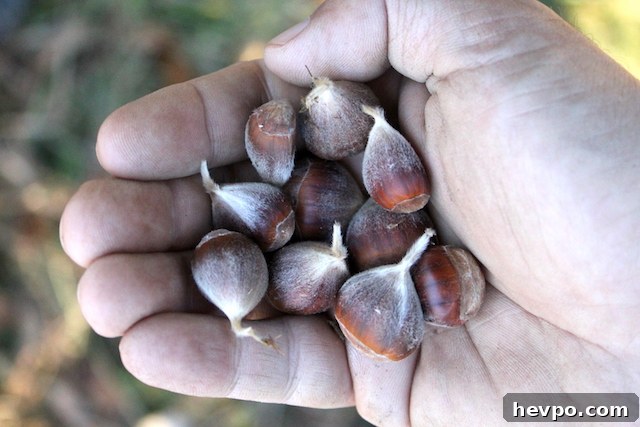
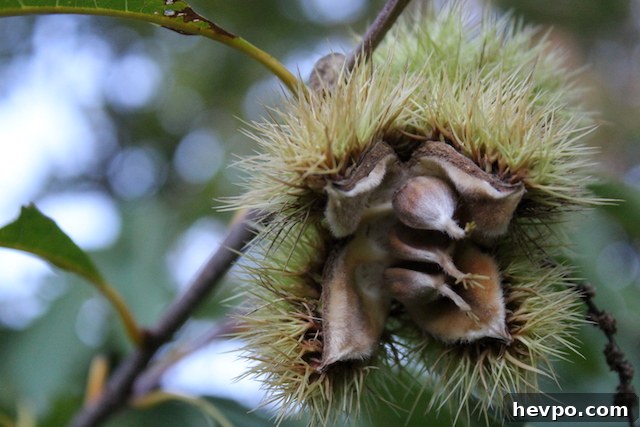
American chestnuts were once widespread but were devastated by blight in the early 1900s. Planting isolated American chestnuts away from other chestnut species can improve the chances of survival. Hybrids that cross American, Japanese, and European chestnuts show promising blight resistance and are commonly used in restoration and orchards.
Homegrown chestnuts are excellent for roasting, but take care when choosing a planting site: the spiky outer husks are sharp and can be hazardous near walking paths or where children play.
Hickory Nuts (Carya ovata)
Shagbark hickories produce exceptionally tasty nuts with a flavor similar to pecans, but they are long-term trees—often taking many decades to reach full production. Because bearing typically begins late and yields can be irregular, hickories were not adopted widely for commercial orchards. For long-term homesteads, planting hickories now can benefit future generations.
Hican
Hicans are hybrids between pecans and hickories that occur naturally; some selected varieties offer excellent flavor and improved cold hardiness. They aim to combine hickory resilience with earlier bearing from pecan ancestry. Choose grafted trees rather than seedlings, since seed-grown hicans may not inherit desired traits and can produce poor or empty nuts.
American Hazelnuts (Corylus americana)
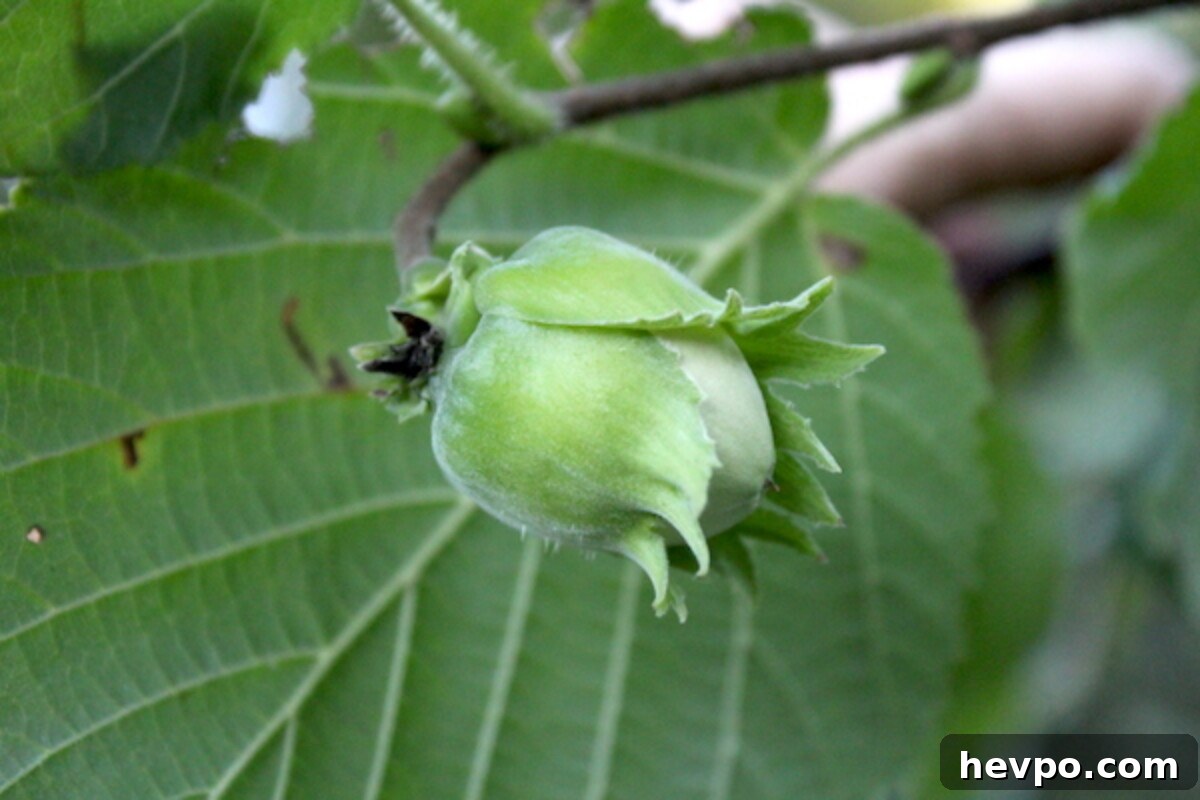
Hazelnuts are more shrub-like than tree-like and are an excellent, cold-hardy option for northern homesteads, ranging into eastern Canada. While commercially grown filberts have larger nuts, wild American hazelnuts have a similar flavor and store exceptionally well—properly cured nuts can keep for up to two years under ideal conditions.
Korean Nut Pine (Pinus koraiensis)
Korean nut pine produces edible pine nuts with a sweet, buttery flavor. Unlike many pine species, certain strains of Pinus koraiensis are hardy in very cold climates—reports suggest they can succeed where white pines grow and may be hardy to zones 2–3. These trees grow slowly for the first few years, then accelerate, and they perform best with some shade when young to prevent sunburn.
Bearing typically begins between ten and twenty years of age, depending on site and local conditions. As with other long-term nut trees, patience pays off.
For gardeners looking to expand a cold-hardy orchard, these species and hybrids offer a variety of flavors, storage characteristics, and landscape values. Choose stock adapted to your zone, consider grafted cultivars for predictable traits, and plant with long-term planning in mind.