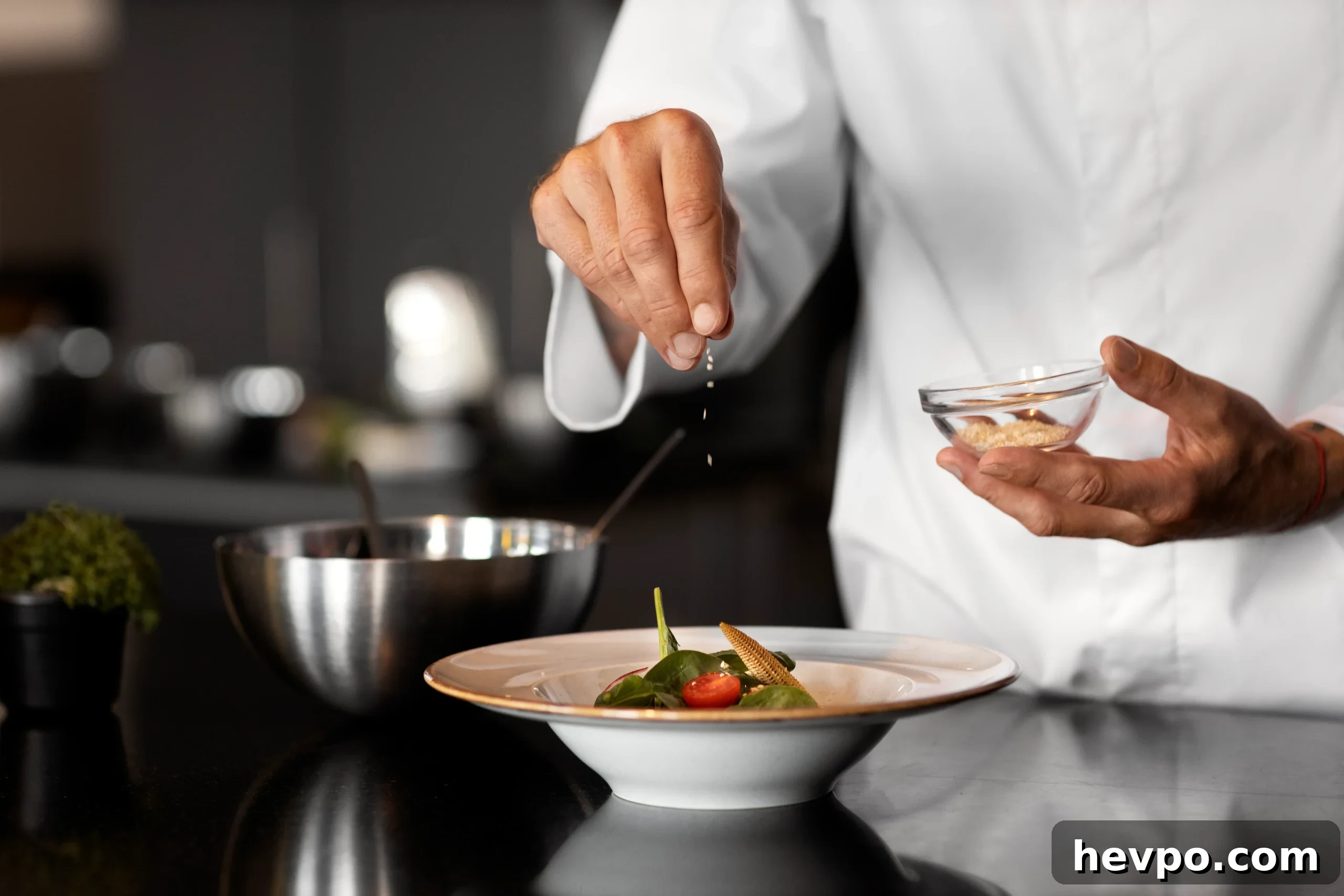

Photo: Freepik.com
We all enjoy a good homemade meal, but rising grocery prices can make cooking at home feel expensive. You plan a few dishes for the week, fill your cart, and before long your budget is stretched and some items spoil unused.
Restaurants face the same challenge, only on a larger scale. To stay profitable while delivering delicious food, they carefully monitor food costs and use efficient systems to reduce waste and maximize every ingredient.
The good news is you can apply many of those restaurant strategies at home. Here are five practical, chef-approved methods to lower your food costs while still enjoying great meals.
Table of Contents
Toggle
1. Plan Your Menu Like a Pro
Chefs plan menus with intention: every ingredient has a role and often multiple uses across dishes. A bag of spinach can be salad, an omelet filling, a pasta add-in, or sandwich greens.
Adopt that mindset when you plan your weekly meals. Choose recipes that share ingredients so nothing goes unused. A roasted chicken can become tacos, a salad topping, or the base for a comforting soup later in the week.
Simple tip: write your meal plan before you shop. Sticking to a list cuts impulse purchases and helps you buy only what you’ll use.
2. Track What’s in Your Kitchen
Restaurants keep tight inventories so they know what’s on hand and when to reorder. You don’t need a complex system—just a quick inventory in your phone or a notepad helps.
Check your fridge, freezer, and pantry before shopping. You may already have ingredients for tonight’s meal and avoid buying duplicates. Rotate older items forward so they’re used first and reduce spoilage.
A small bit of organization saves money and prevents waste, leaving more budget for treats and variety.
3. Portion Like a Chef
Portion control is a large part of restaurant efficiency. Home kitchens often serve larger portions than necessary, which shortens how long groceries last.
Use measuring tools or simple visual cues: a serving of pasta is roughly the size of your fist, and a palm-sized piece of protein is usually sufficient. Pre-portioning ingredients before cooking helps you stretch meals further and avoid overeating.
Portioning saves money and supports healthier eating—double benefit.
4. Buy Smart and in Bulk
Chefs know which items are worth buying in bulk and which are not. Pantry staples like rice, flour, and canned goods are good bulk buys since they store well. Perishables like delicate greens are best purchased in quantities you’ll use quickly.
When buying in bulk, portion and store items properly:
- Split large meat packages into meal-sized portions and freeze them.
- Keep grains and beans in airtight containers to preserve freshness.
- Label packages with dates so you use them before they lose quality.
Compare prices at local markets or wholesale stores—smart buying can lead to restaurant-level savings without the restaurant-sized risk.
5. Repurpose Leftovers Like a Chef
Restaurants minimize waste by turning scraps into stock, day-old bread into croutons, and roast leftovers into new dishes. At home, the same approach stretches ingredients further and keeps meals interesting.
Get creative: roast chicken becomes soup, enchiladas, or salad protein; leftover rice becomes fried rice; vegetable peels and bones can simmer into a flavorful stock.
When you view leftovers as purposeful ingredients, every meal becomes an opportunity to save and to create something new.
Bonus Tip: Know Your True Food Cost
Understanding your food cost—how much ingredients cost per serving—helps you spot where money is going and where small changes can make a big difference.
You don’t need exact math for every meal, but estimating weekly meal costs gives insight into expensive ingredients or inefficient habits. Tracking a few meals will reveal opportunities to substitute, bulk-buy, or repurpose to save money.
Final Thoughts
Cooking like a chef isn’t just about flavor—it’s about using ingredients efficiently. By planning meals, keeping a simple inventory, controlling portions, buying wisely, and repurposing leftovers, you can significantly reduce food waste and lower your grocery bill.
Next time you cook, think like a restaurant: maximize what you have, minimize waste, and enjoy delicious meals without overspending.