In this post I describe how I personally manage interstitial cystitis, including diet changes and supplements that have helped me.
Since January is my “Detox-mas” month, I thought it would be a good time to share a few health topics and what’s worked for me.
I’ve been dealing with interstitial cystitis for about two years. Over that time I’ve learned several practical strategies that may be useful to others.
For context, I had no bladder issues before this and never had a urinary tract infection, so these symptoms were entirely new to me.
What is interstitial cystitis (IC)?
In short, interstitial cystitis is a chronic painful condition affecting the bladder without evidence of a UTI.
My symptoms include frequent, stinging urination that feels like inflammation of the urethra, pressure and muscle pain in the lower abdomen and pelvic area, and a general sense of discomfort.
Symptoms sometimes worsen around my period, suggesting a possible hormonal component, but I’ve noticed food — especially foods high in oxalates — has the biggest impact on how I feel.
Causes of IC
There are many proposed causes of interstitial cystitis, including fungal issues, gallbladder dysfunction, hormonal imbalance, and oxalates. In most cases, no single clear cause is documented.
My symptoms began after my fourth pregnancy and a postpartum hemorrhage, shortly after I also had a wisdom tooth removed. I suspect those events affected my immune system and contributed to what followed.
Natural remedies and supplements that help me
I haven’t cured the condition, but these methods and supplements have meaningfully reduced symptoms for me. I’ll update this list as I learn more.
Lowering oxalates
Lowering dietary oxalates was the first useful strategy I discovered. I noticed flares after eating certain foods, which led me to research oxalates.
Oxalates are natural compounds found in many plant foods, such as spinach, rhubarb, almonds, and sweet potatoes. Some foods are very high, while others — like meat and dairy — contain almost none. Oxalates can also be produced in the body through metabolic and fungal processes.
High oxalate levels have been associated with oxidative stress, mitochondrial disruption, and nutrient depletion, potentially contributing to diverse symptoms including fatigue and inflammation.
In my case, contributing factors I suspect include a B6 deficiency, fat malabsorption, reduced beneficial gut flora, and systemic fungal overgrowth. Tests I’ve done showed signs consistent with several of those issues.
A simple way to test whether oxalates matter for you is to reduce high-oxalate foods for a period and monitor your symptoms. If you want to measure oxalic acid excretion precisely, discuss urine testing with your clinician.
N-acetyl glucosamine
A naturopath recommended N-acetyl glucosamine to help coat the gastrointestinal tract and bladder. I’m cautious about single-ingredient supplements, but this one has helped me tolerate some higher-oxalate foods when I take it before a meal.
It’s not a cure for me, but it reduces flares and increases my tolerance for certain foods. As with many supplements, benefits may change over time, but currently it’s useful.
Calcium citrate
Taking calcium with a meal can help by binding oxalate in the gut. When calcium and oxalate bind in the intestine, oxalate is more likely to be excreted in stool rather than absorbed into the bloodstream.
This buffering effect can reduce pain and other oxalate-related symptoms. If calcium causes constipation for you, magnesium citrate is an alternative that can be easier on digestion.
Charcoal
Activated charcoal isn’t a typical IC treatment, but because I have a history of mold exposure and tested high for certain mycotoxins, charcoal helps me bind and eliminate toxins. I take a small dose every other night about three hours after my last meal, as charcoal should be taken on an empty stomach for binding.
I use it cautiously because it can cause constipation, so I dose slowly and monitor how I feel.
Castor oil packs
I use castor oil packs on my lower abdomen and bladder area during flare-ups. I first tried them in my twenties for elevated liver enzymes and felt they helped, and now they reduce pain, improve sleep, and support elimination when I have IC symptoms.
Low oxalate recipes
Testing a low-oxalate diet is the most practical way to see if oxalates affect you. Lowering oxalates too quickly can cause issues, so research and a gradual approach are wise. Oxalate content can vary by brand and preparation, so individual response matters.
Below are some lower-oxalate recipes from my blog that I’ve found helpful:
Chickpea Flour Chocolate Chip Cookies (omit the chocolate)

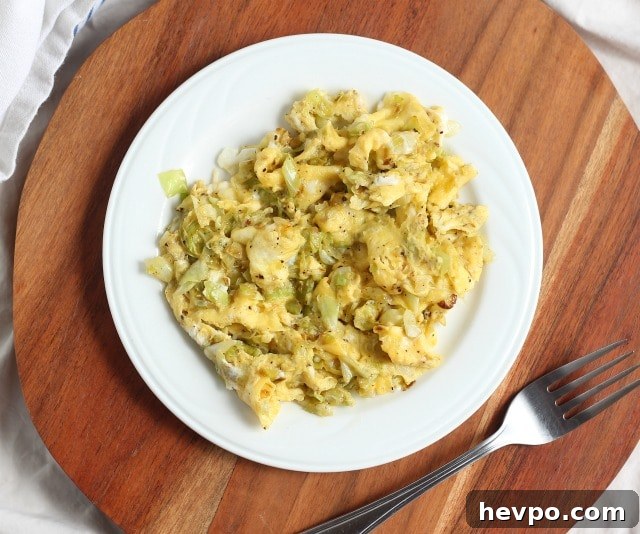
Simple Cabbage and Eggs (omit the pepper)
Chickpea Flour Pancakes

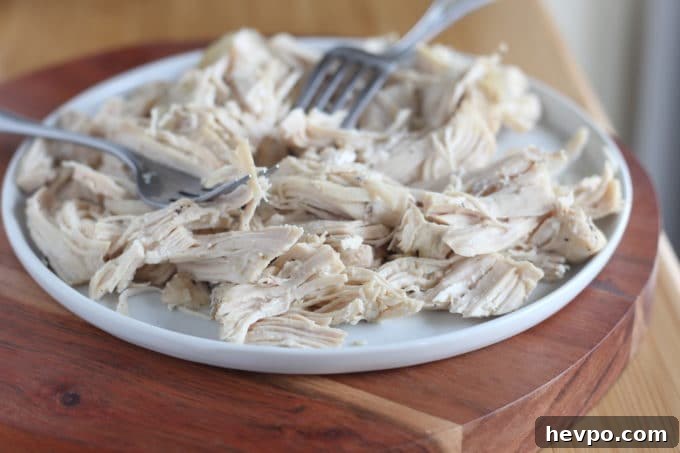
Instant Pot Chicken Breasts
Vanilla Avocado “Milkshake”

Apple Juice Chicken

If you want to learn more about oxalates, check out these resources
There are several informative sources and communities dedicated to oxalates and their health impacts that I’ve found helpful in my research.