Ever hear someone say, “He’s just skinny because he has a high metabolism” or “I can’t lose weight because my metabolism is slow”?
What about our children — can we shape their metabolism through habits, food, and lifestyle so they grow up healthier? Nutritionist Sara Vance says yes. Metabolism plays a central role in health and weight, and the choices we make can either support or undermine it.
In this interview with Sara Vance, author of The Perfect Metabolism Plan, we cover:
- Her path to becoming a nutritionist and why metabolism became her focus.
- What “metabolism” really means — it’s not just calories in versus calories out, but the total of chemical processes that sustain life, including digestion, immune function, rest and repair.
- How children today are often born with less gut bacterial diversity and what that means for lifelong health.
- Why stress, sleep, hydration, and gut health matter as much as food choices — and how failing to address those areas undermines calorie counting and dieting.
- Why many diets fail: treating symptoms without fixing the underlying metabolic imbalances is like putting a broken bone in a sling without setting it.
- The 10 keys to a healthy metabolism that apply to adults and kids alike, including blood sugar control, healthy fats, gut support, hydration, sleep, movement, and more.
“You don’t have to be miserable to be healthy.” — a simple quote from Sara that captures the interview’s practical, sustainable approach.
Can’t see the video? Watch Broken Metabolism on YouTube.
If you don’t have time to watch, here are the key points and timestamps from the conversation.
Broken Metabolism Video Time Stamps
- 0:10: Introduction — Sara Vance and her work helping people reclaim their metabolism and healthy weight.
- 1:14: A light beginning about childhood food memories — Sara never imagined she’d become a nutritionist.
You can’t get good results from bad information. -Sara Vance
- 3:10: How Sara moved from short cleanses to addressing long-term metabolic change — metabolism is the driver of lasting health.
What Is Metabolism?
- 4:45: Metabolism is the sum of all chemical processes required to sustain life. It affects rest, digestion, immunity, and more.

- 5:26: Counting calories alone is futile if gut health, stress, sleep, and hydration are ignored — those factors determine how well we absorb nutrients and metabolize food.
- 6:16: Children today often start life with less diverse gut bacteria, which can set them at a disadvantage metabolically.
- 7:06: Chronic physical or emotional stress raises cortisol and prevents the parasympathetic “rest and repair” state, impairing healing and metabolic balance. Teaching kids stress management is essential.
- 8:34: Metabolism is interconnected — blood sugar, stress, sleep, inflammation, and detox pathways all influence one another, so a holistic view is necessary.
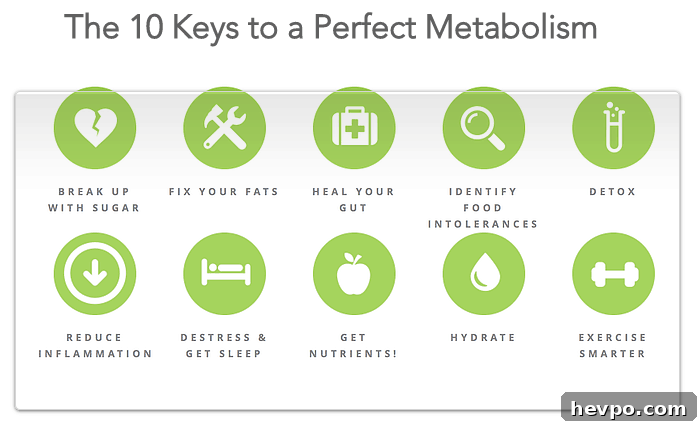
- 9:48: Sara outlines 10 keys to a healthy metabolism; several highlights follow.
- 10:06: Blood sugar regulation is foundational — an unstable blood sugar disrupts metabolism.
- 10:41: Healthy fats support blood sugar stability and satiety; low-fat dogma is being re-evaluated as fats reduce cravings and fuel the body.
The Importance of Gut Health
- 11:46: Gut health determines how effectively we extract calories and nutrients from food and impacts nearly every aspect of health.
- 12:21: Simple habits improve digestion: pause before eating, sit down to eat in a calm state, and chew thoroughly. These habits are free and powerful.
- 13:10: Identifying and removing food intolerances can be critical to restoring gut balance.
- 13:43: Environmental toxins can impair detox pathways; minimizing exposures and supporting natural detoxification helps the whole body.
- 14:25: Chronic inflammation contributes to weight gain and disease risk.
- 14:52: Even one night of poor sleep increases cravings and dysregulates blood sugar the next day.
- 15:09: Processed foods create nutrient gaps; B vitamins and other nutrients are essential for efficient metabolism.
- 15:32: Hydration matters, especially for children. Signs of dehydration include dry lips, dry skin, or constipation. Check if a water bottle comes back full — they may not be drinking enough.
- 16:41: If kids don’t feel thirsty, a pinch of real salt in their water can help restore thirst signals and electrolytes.
- 17:12: Schools sometimes restrict water and bathroom access; parents should advocate for children’s basic needs to support their health and focus.
- 18:08: Water-rich foods like watermelon, cucumber, and celery provide minerals that improve water absorption.
- 19:12: Drinking excessive plain water without electrolytes can flush nutrients. Homemade electrolyte drinks (sometimes called “smart water”) can be helpful for taste and balance.
- 20:21: Move smarter: impact activities like jumping support bone health. Kids benefit from free play, climbing, walking, and outdoor activity — organized sports aren’t the only option.
Find something that you enjoy doing for exercise. -Sara Vance
- 21:47: Prolonged sitting with screens, school, and homework harms metabolism. Break up long sitting sessions with movement.
- 22:23: Small, frequent movement breaks — stand, stretch, walk the hall — improve metabolic and mental health when sitting for long stretches.
- 24:30: Movement supports mental health as well as physical health.

- 25:06: Small, consistent changes build habits that benefit metabolism over time — think marathon, not sprint.
- 26:19: Diets often fail because they don’t repair the underlying metabolic issues. Stabilizing blood sugar and addressing gut, sleep and stress makes dietary changes sustainable.
- 26:55: Cutting sugar without stabilizing metabolism creates intense cravings. Fix the foundation and sugar loses its hold.
- 29:09: Prolonged sugar-driven patterns increase disease risk. Nonalcoholic fatty liver disease and other conditions are appearing earlier in life due to high-sugar diets.
- 30:40: Teach kids they can influence how they feel by what they eat. Engage them in conversations about energy, mood, and food choices.
I think the word “diet” is a four letter word when it comes to kids. -Sara Vance
- 31:29: Sara recommends avoiding restrictive dieting in children. Instead, foster body appreciation and teach what foods fuel energy, mood, and focus.
- 33:15: Changes take time. Families entrenched in unhealthy habits may take years to adjust, but gradual persistence pays off.
- 34:23: Use setbacks as learning opportunities rather than reasons for self-blame. Notice how you feel and let that information guide future choices.

Metabolism Resources Mentioned
- Recipe ideas for electrolyte or “smart water” to support hydration and minerals.
- Resources and articles emphasizing healthy fats and gut-focused digestion strategies.
- Guidance on how stress affects digestion and how to optimize eating and digestion for children.

Bottom line: metabolism is shaped by many interrelated factors — blood sugar control, nutrient adequacy, gut health, hydration, sleep, stress management, and movement. Small, consistent changes and teaching children how food affects their mood and energy are powerful tools for setting up lifelong metabolic health.