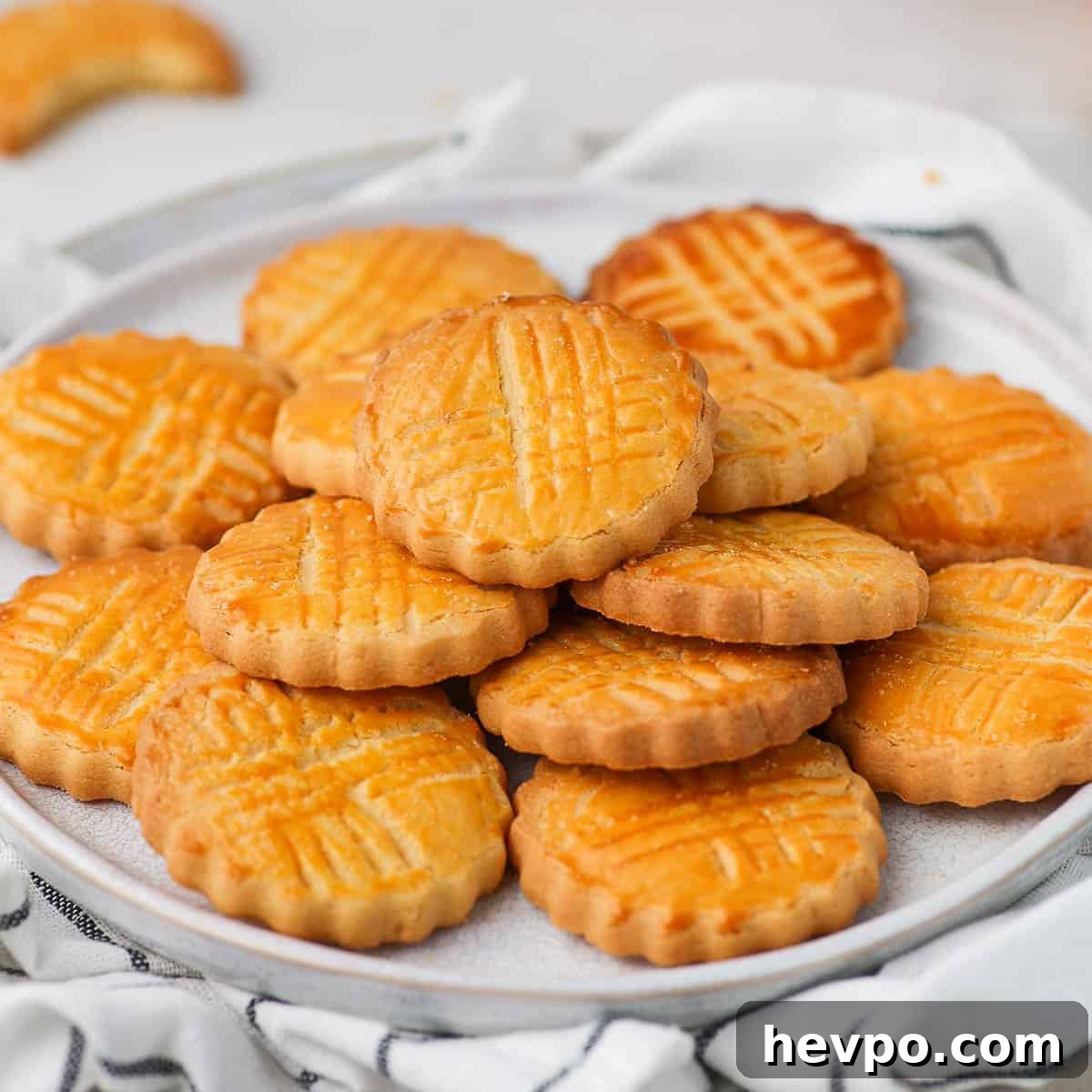
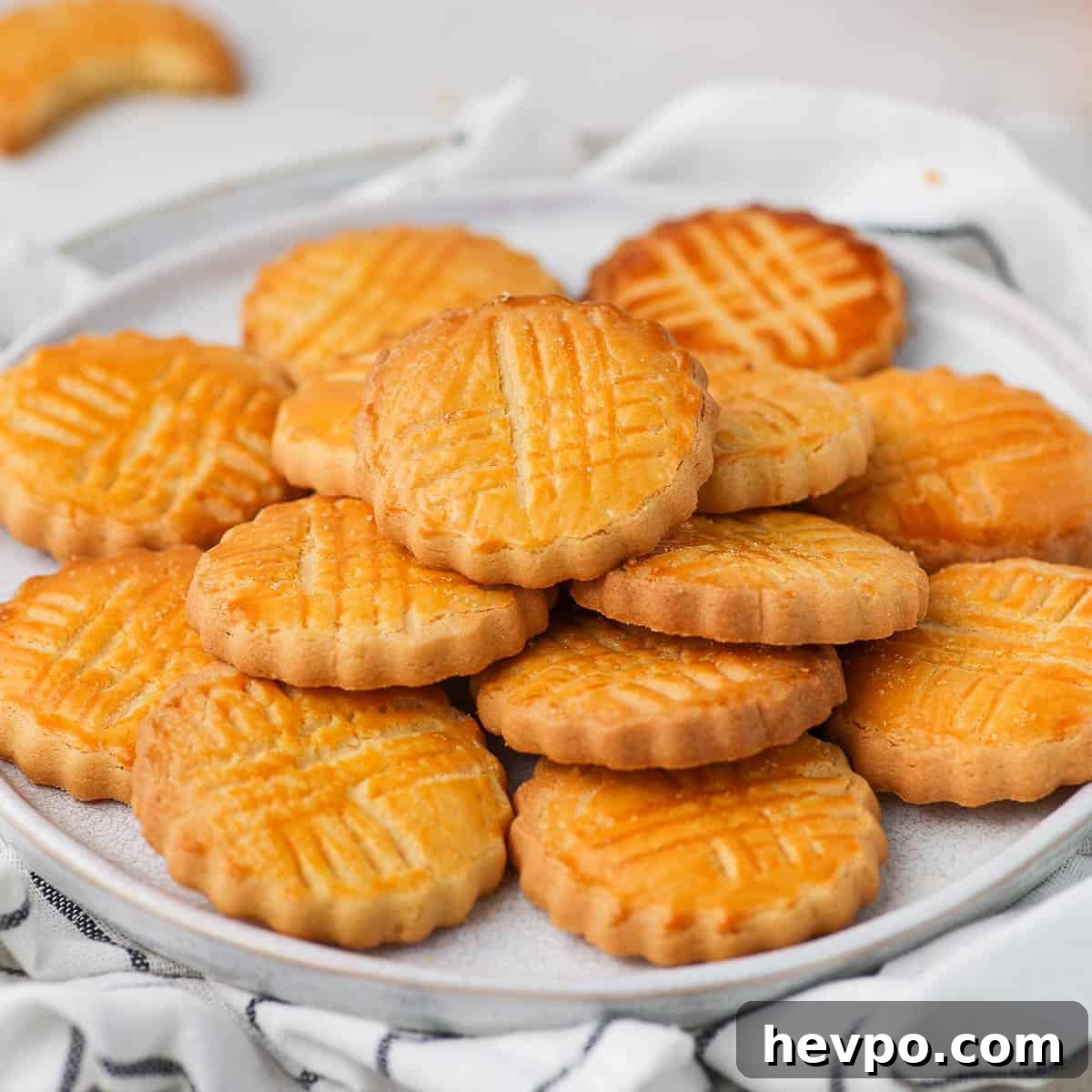
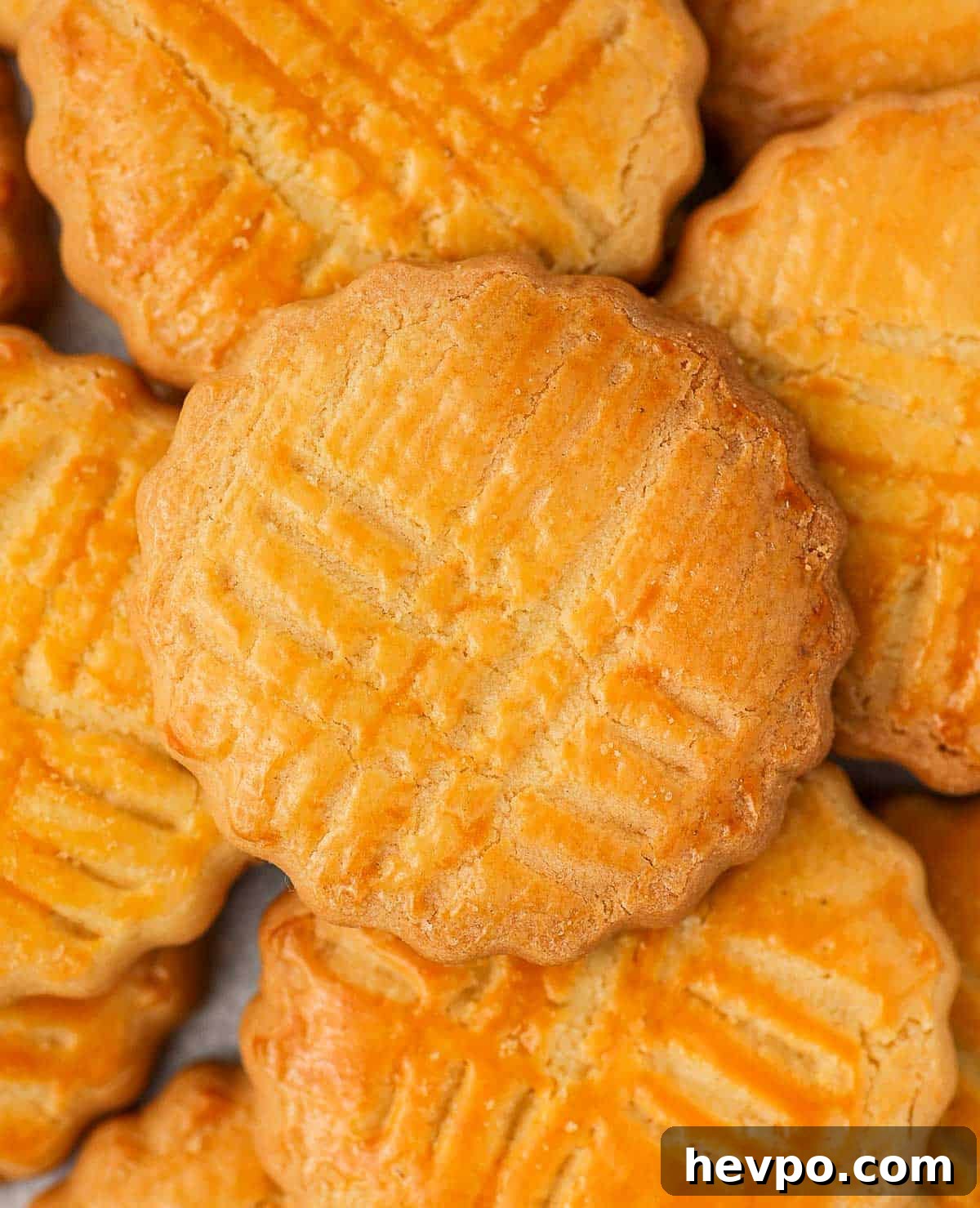
These classic French Sablés Bretons, also known as French salted butter cookies, are wonderfully crumbly and buttery with a melt-in-your-mouth texture. Made with just five simple ingredients, they are easy to prepare and stay fresh for several days.
This recipe was first published in May 2019 and updated in December 2021.
Why we love this recipe
The Americans have chocolate chip cookies, the British have shortbread, Australians have ANZAC biscuits — and the French have Sablés Bretons. These traditional cookies are not soft or fudgy; they are crumbly, rich and intensely buttery with an effortless, melt-in-your-mouth texture.
A sweet dough balanced with a hint of salt is what gives these cookies their distinctive flavor. Sablés Bretons are perfect for a school gathering, bake sale, a French-themed event, or simply to enjoy with a cup of tea or coffee.
More butter cookie ideas:
- Lemon and Poppyseed Shortbread Cookies
- Chocolate Hazelnut Shortbread Cookies
- Almond Shortbread Cookies
- Lemon Curd Cookies

What is a Sablé Breton?
Sablés Bretons originate from Bretagne (Brittany) in north-west France, a region celebrated for high-quality salted butter. The word “sablé” means “sandy,” describing the cookie’s delicate crumb, and “Breton” refers to Brittany. In France these are often simply called “sablés.”
They resemble shortbread but are richer because the dough contains more egg yolks. Traditional recipes use salted butter, which provides the characteristic balance between sweet and savory.
The sable dough is versatile: it can be used for cookies, as a base for cakes such as lemon meringue or mango mousse, or as a pastry shell for tarts.
Ingredients
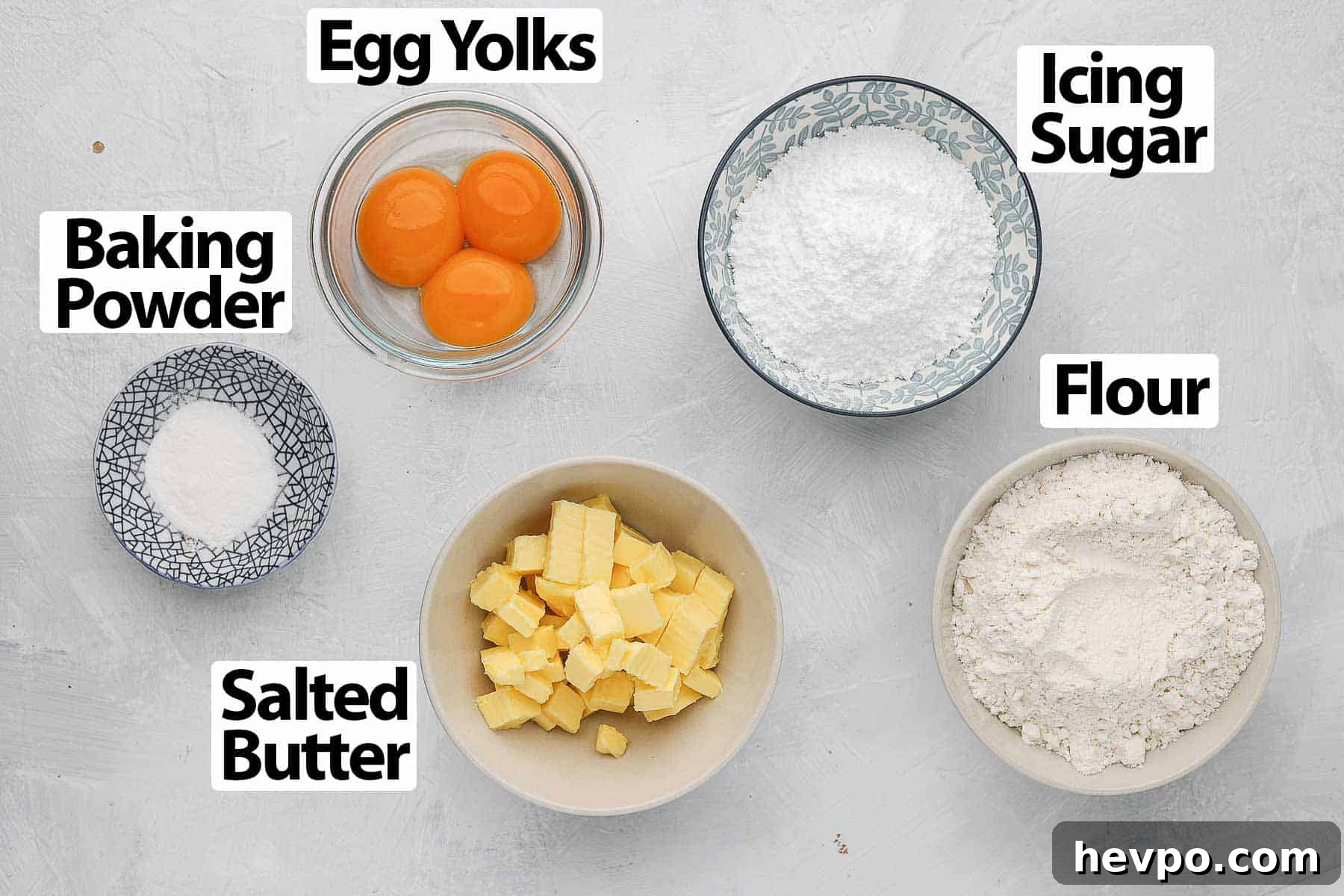
These cookies require only five basic ingredients (quantities in the recipe card below):
- Egg yolks — at room temperature. Save the whites for meringues, macarons or financiers.
- Icing sugar (powdered/confectioners’ sugar) — sifted to avoid lumps.
- Salted butter — very soft, at room temperature. Use the best-quality butter you can find for best flavor. If you must use unsalted butter, add about 1/2 teaspoon of fine salt to the dough.
- Plain / all-purpose flour — sifted.
- Baking powder — a small amount to provide a light lift.
Optional flavorings include vanilla (paste recommended), lemon or orange zest, or a touch of cocoa for chocolate sables.
About the butter
The butter determines most of the cookie’s flavor, so quality matters. Traditional Sablés Bretons use salted butter; the salt enhances and balances the richness. If you use unsalted butter, add about 1/3 to 1/2 teaspoon of salt. Avoid substituting margarine, coconut oil or other fat substitutes — they won’t reproduce the classic flavor and texture.
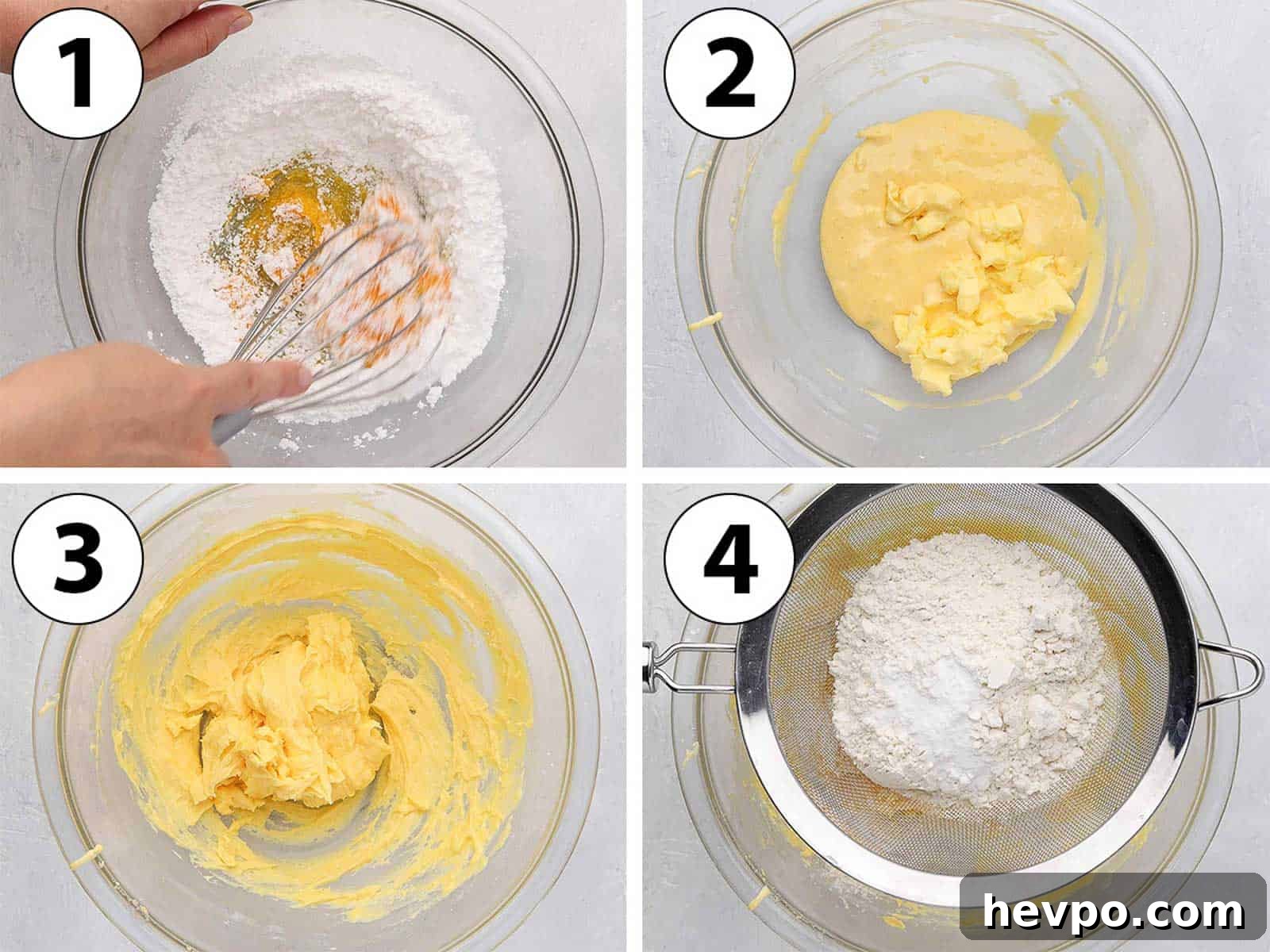
How to make Sablé Breton cookies
Bring the butter to room temperature and cut it into small cubes so it’s very soft but not melted.
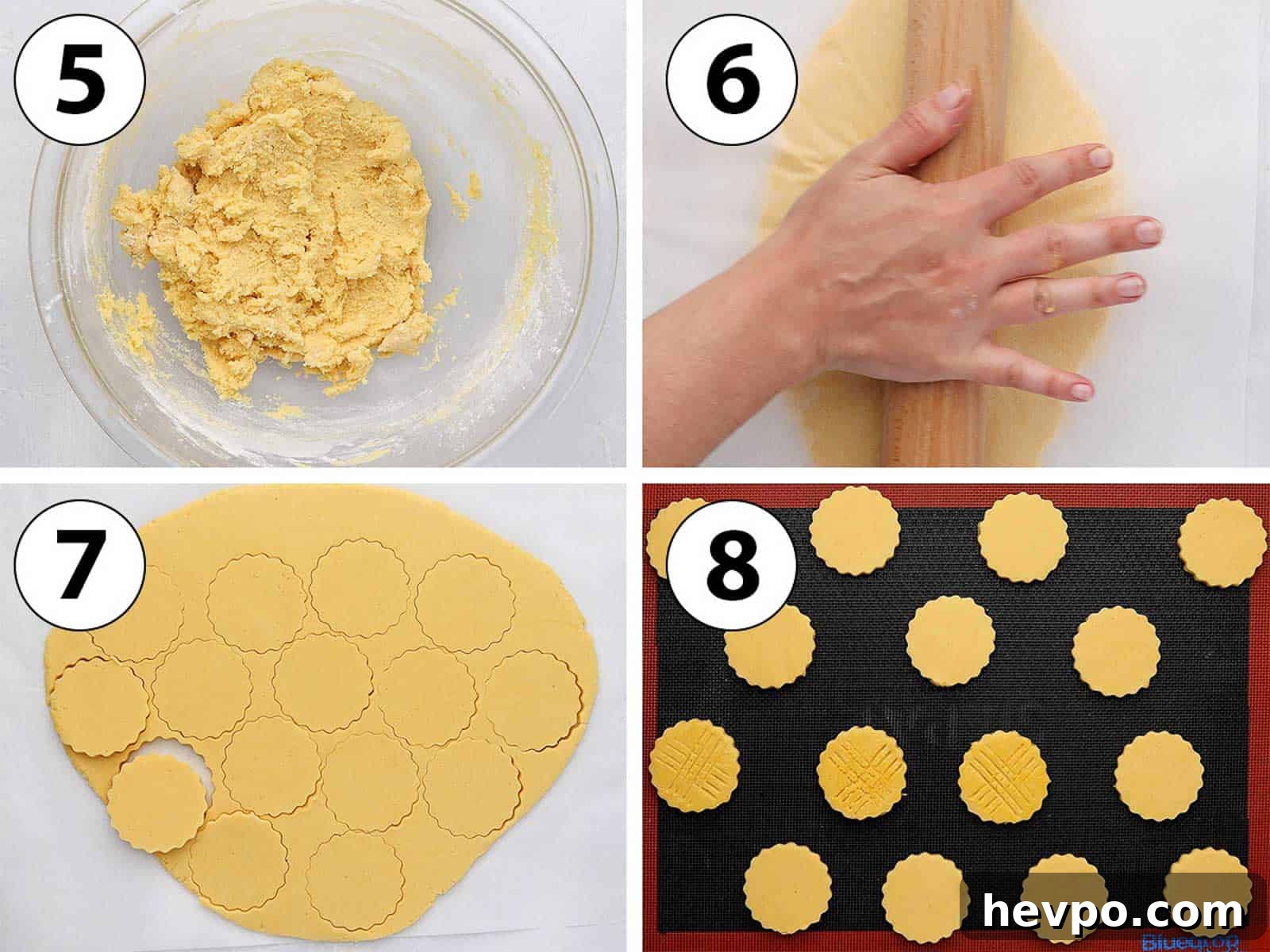
- In a large bowl, whisk the egg yolks and sifted icing sugar until the mixture is paler and slightly increased in volume.
- Add the very soft butter and mix until fully incorporated into a thick, soft paste.
- Sift in the flour and baking powder, then fold with a stiff spatula until you have a smooth dough. Work gently so you don’t warm the butter too much.
- Place the dough between two sheets of baking paper and roll to a disk about 6 mm (1/4 inch) thick. Chill on a flat tray in the fridge for at least one hour.
- Preheat the oven to 160°C (325°F). Line a baking tray with parchment or a baking mat.
- Remove the top sheet of baking paper, cut rounds about 6 cm (2.5 in) wide with a round or fluted cutter, and transfer them to the prepared tray.
- Optional: press a cross pattern with the back of a fork (dip in water if it sticks) and brush each cookie with a lightly whisked egg yolk for a golden finish.
- Bake for 15–18 minutes or until golden. Cool on a rack. Any leftover dough can be re-rolled, chilled and cut again.
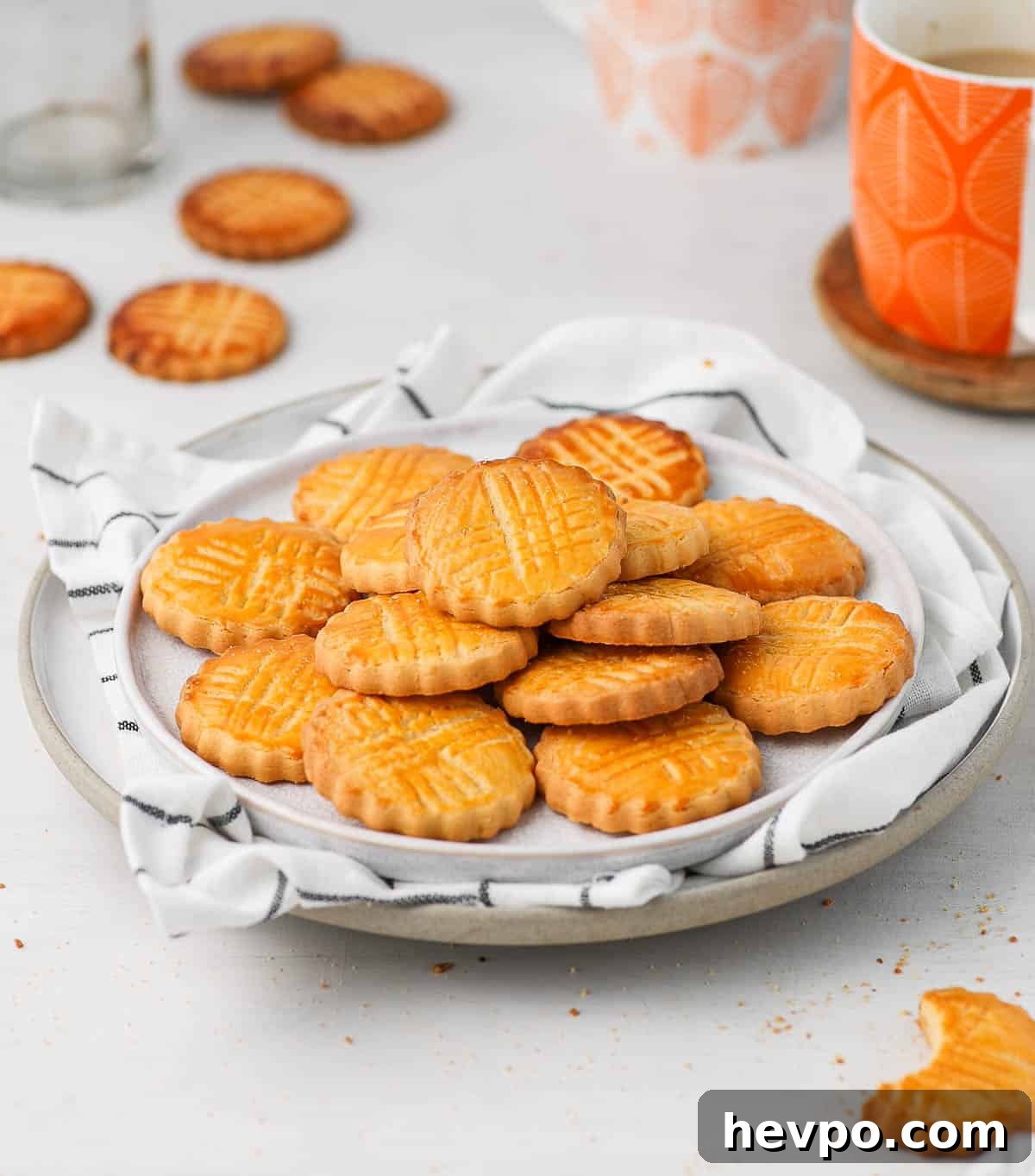
Recipe FAQs
Shortbread usually contains little or no egg and has a higher butter-to-flour ratio. Sablés include more egg yolks, giving them a richer, slightly different texture.
Yes. Add about 1/3 to 1/2 teaspoon of fine salt to the dough to emulate the flavor of salted butter.
This recipe rolls the dough to 6 mm (1/4 inch). You can roll thinner or thicker; adjust baking time accordingly. A thicker variant baked in molds is called a palet breton.
The dough is a great base: add cocoa for chocolate sables, vanilla paste, or citrus zest for different profiles.
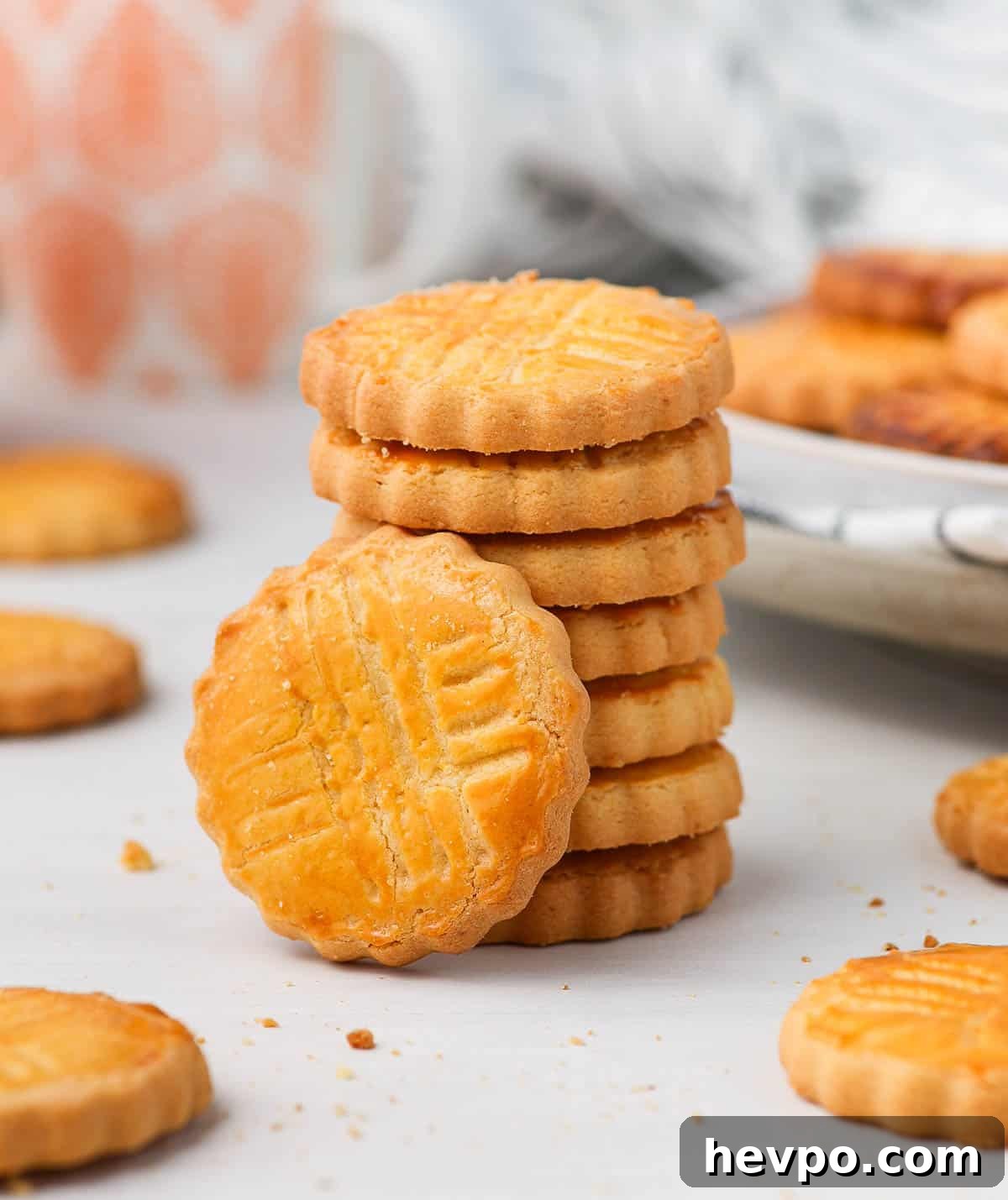
Tips for success
- Chill the dough at least one hour — longer chilling develops flavor and firms the butter for cleaner shaping.
- Use a rolling pin with thickness rings for even thickness.
- Adjust baking time if you change thickness or cookie size.
- For even baking, a perforated baking tray and mat can help with heat distribution, though regular trays and parchment work fine.
Storing & freezing
Store baked cookies in an airtight container at room temperature for up to five days. For best texture when freezing, freeze unbaked dough: either freeze the rolled sheet (before cutting) or cut cookies and freeze them on a tray. Thaw briefly at room temperature before baking or add a couple of minutes to the baking time. Do not freeze cookies with egg-yolk wash applied.
More French desserts
- Cherry Clafoutis
- Raspberry Almond Madeleines
- Choux à la Crème (French Cream Puffs)
- Classic Ice Cream Profiteroles
- Easy Raspberry Coulis
- Choux au Craquelin
- Cannelés de Bordeaux
- Chocolate Financiers
Made this recipe? Leave a comment and tag your creation on Instagram @a.baking.journey!
Recipe
Ingredients
- 3 egg yolks, at room temperature
- 75 g (3/4 cup) icing sugar
- 100 g (7 tbsp) salted butter, very soft
- 175 g (1 cup + 1 1/2 tbsp) plain / all-purpose flour
- 1/2 teaspoon baking powder
- 1 egg yolk for egg wash (optional)
Instructions
- Take the butter out of the fridge about 30 minutes before starting and cut into small cubes so it’s very soft but not melted.
- Separate the egg yolks from the whites and reserve the whites for another use.
- Whisk the egg yolks and icing sugar in a large bowl until smooth and pale.
- Add the very soft butter and mix until you have a thick, soft paste.
- Sift in the flour and baking powder. Fold with a stiff spatula until a smooth dough forms.
- Place the dough between two sheets of baking paper and roll to 6 mm (1/4 inch) thickness. Chill for at least 1 hour.
- Preheat the oven to 160°C (325°F). Line a baking tray with parchment paper or a baking mat.
- Remove the top sheet of paper and cut out cookies with a 6 cm (2.5 inch) cutter. Transfer to the tray.
- Optional: press a fork pattern, then brush with egg yolk for a golden finish.
- Bake 15–18 minutes until golden. Cool completely on a rack. Store in an airtight container up to 5 days.
Notes
- You can roll the dough thinner or thicker; adjust baking time accordingly.
- If the dough is too soft to lift, chill for 5–10 minutes before cutting.
- For best airflow and even baking, a perforated tray can help, but it’s not essential.
Nutrition (per serving)