From: Natalie T.
Gas prices in the West have climbed a lot, so I want to share how we’re managing.
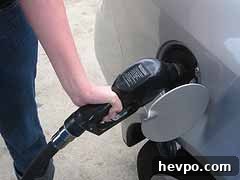
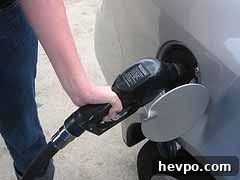
People often say it costs “so much money” to fill the tank. But why assume you must fill the tank every time? Why not treat gas like any other budget item? I decided our minivan would get $40 of gas every two weeks (that lines up with my husband’s paycheck — I’m a stay-at-home mom). My goal is to make that gas last, the same way I stretch groceries by serving appropriate portions.
To stretch roughly 12 gallons over two weeks, I consolidate trips onto one well-planned day and avoid driving for nonessential errands. Grocery shopping, pharmacy runs, and visiting grandparents are grouped together when possible. Picking up pizza is off the list — not only did we save the cost of the pizza, we also saved about a third of a gallon in driving.
Applying the same planning and restraint we use for groceries to fueling our vehicle made gas spending predictable and easy to budget.
Jill’s Reply:
Thank you, Natalie. This approach applies to many purchases. Part of the problem today is that credit and loans were often handed out to people who hadn’t learned to manage money. It’s like giving a child a credit card in a toy store and telling them to buy whatever they want. Without limits, spending becomes careless.
I was taught to use what I had carefully. You didn’t run to the store for a single item; you combined errands or made do to save on gas. Many people fill up their cars and buy homes, vehicles, clothes, and electronics without much thought. They treat gas as an unquestionable necessity — and while it can be essential, it still needs to be controlled and budgeted like other expenses.
Food is necessary, but that doesn’t mean you should spend on excessive treats like expensive ice cream, chips, soda, or frequent takeout. Set a fixed amount for groceries. If there’s money left over, use it for a treat. If you run out, find ways to stretch what you have.
Thanks again for a practical, effective tip!
Photo By: futureatlas.com