
Adding sous vide to your meal prep routine will transform how you cook and plan meals. I like to keep my freezer stocked with pre-portioned, seasoned proteins that can go straight from frozen into the water bath—no defrosting required. On a single prep day, cook several protein basics to use throughout the week so you always have perfectly cooked ingredients ready to go.
Stocking Your Freezer
To keep your freezer filled with ready-to-sous-vide proteins, follow these practical steps:
- Buy in bulk when proteins are on sale. Warehouse stores like Costco are ideal for this—when you see a deal, stock up.
- Portion the protein according to your family’s needs and choose 2–3 seasoning options for variety. You can use rubs, marinades, and sauces from your own collection or recipes from your cookbook. For example, if pork chops are on sale, season half for pork chops with apples and the other half with a chipotle-mustard marinade for variety in the freezer.
- Vacuum seal the portioned and seasoned protein. A vacuum sealer and proper bags prevent freezer burn and extend quality, but water displacement or other air-removal methods work if you don’t have a sealer.
- Freeze for later. Store the sealed packets flat in the freezer so they take up minimal space and are easy to grab when you need them.
When it’s time to cook, you can place frozen packets directly into the sous vide water bath. It’s efficient and reliable.

Sous Vide Meal Prep
This cookbook outlines a complete method for keeping your freezer stocked with ready-to-sous-vide meals and includes a wide range of recipes to get you started.
Weekly Meal Prep with Sous Vide
The freezer method simplifies weekly meal prep. Pick a few frozen items and either sous vide them the day you plan to eat or batch-cook several proteins in one session to reheat later. Batch-cooking works especially well for people who are away from home during the day and don’t want to wait for a long cook after returning. Reheat and quickly sear if desired before serving.
For lunches, I often sous vide chicken breasts to use all week. Dice the cooked chicken and combine with ranch, chopped spinach, bacon, and shredded mozzarella for a chicken salad that can be served warm or cold. The chicken also works well in rice bowls, salads, and wraps.
For breakfasts, consider sous vide hard-boiled or soft-boiled eggs, sous vide egg bites, or sous vide oatmeal pudding prepared in advance. Make enough servings for the week so mornings are simple and fast.
Common Questions
Cook several proteins on a meal-prep day and store them in the fridge or freezer. Reheat and sear when ready to serve. If you have a WiFi-enabled circulator you can monitor and control the bath remotely, but use that method cautiously and only if you understand the limitations.
A high-quality circulator from a reputable brand with strong reviews will perform well. Choose a model that fits your budget and desired features.
A vacuum sealer is highly recommended to fully benefit from the freezer method. It prevents freezer burn and keeps prepped food fresh for longer. If you don’t have one, use water-displacement or other air-removal techniques.
Remove any lid or cover and reheat in the microwave at medium power (around 70%) for about 1 minute 30 seconds, adjusting time based on portion size and microwave strength.
Tips and Tricks
If you want extra guidance, explore resources that explain basic sous vide techniques, equipment recommendations, and useful methods like air removal for sealing bags. These resources cover beginner topics—what sous vide is, favorite tools and accessories, how sous vide compares to slow cooking, and ways to get an excellent sear on sous vide steak.
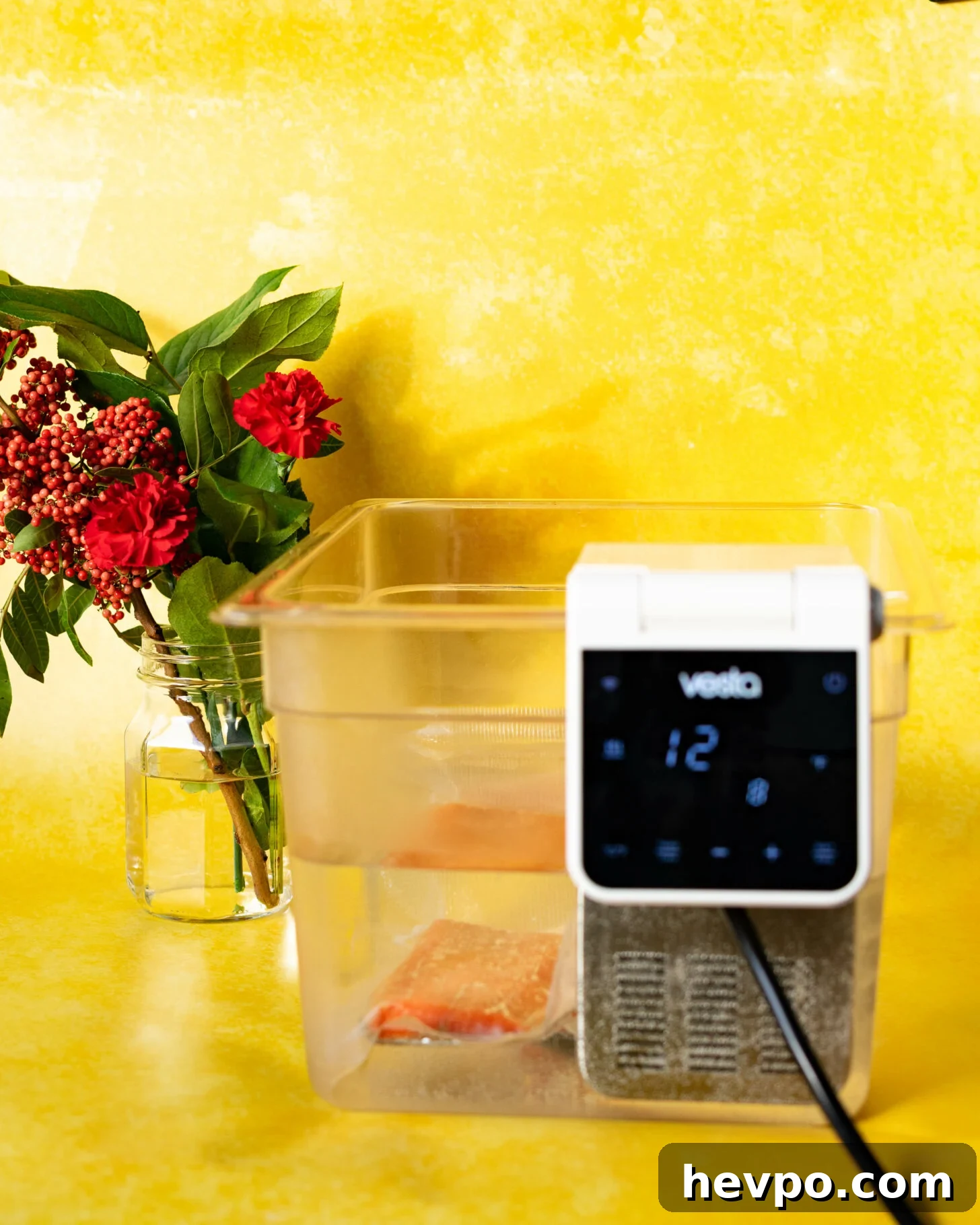
What is Sous Vide? A Beginner’s Guide.
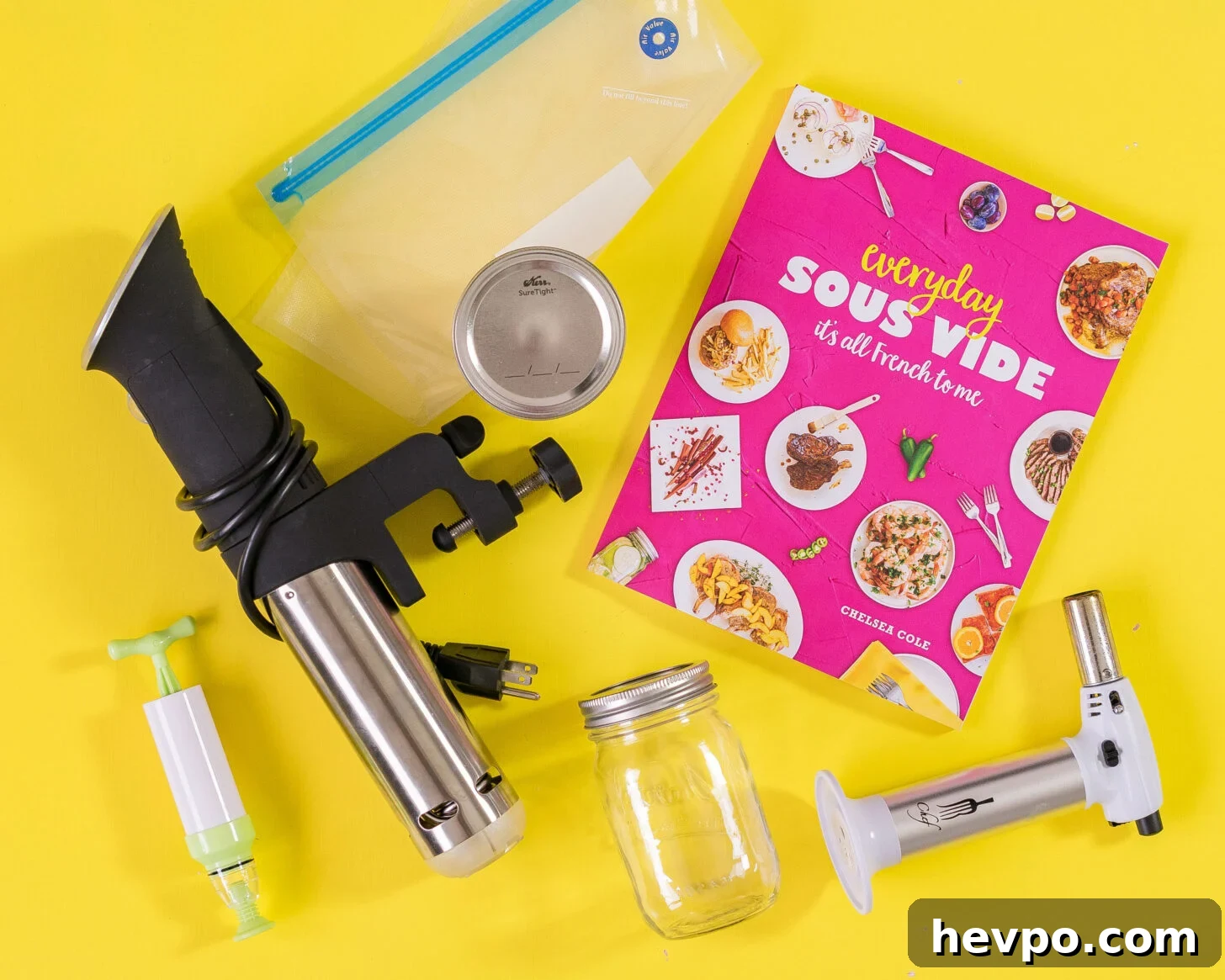
My Favorite Sous Vide Tools and Accessories

Sous Vide vs. Slow Cooker: Which is Better?
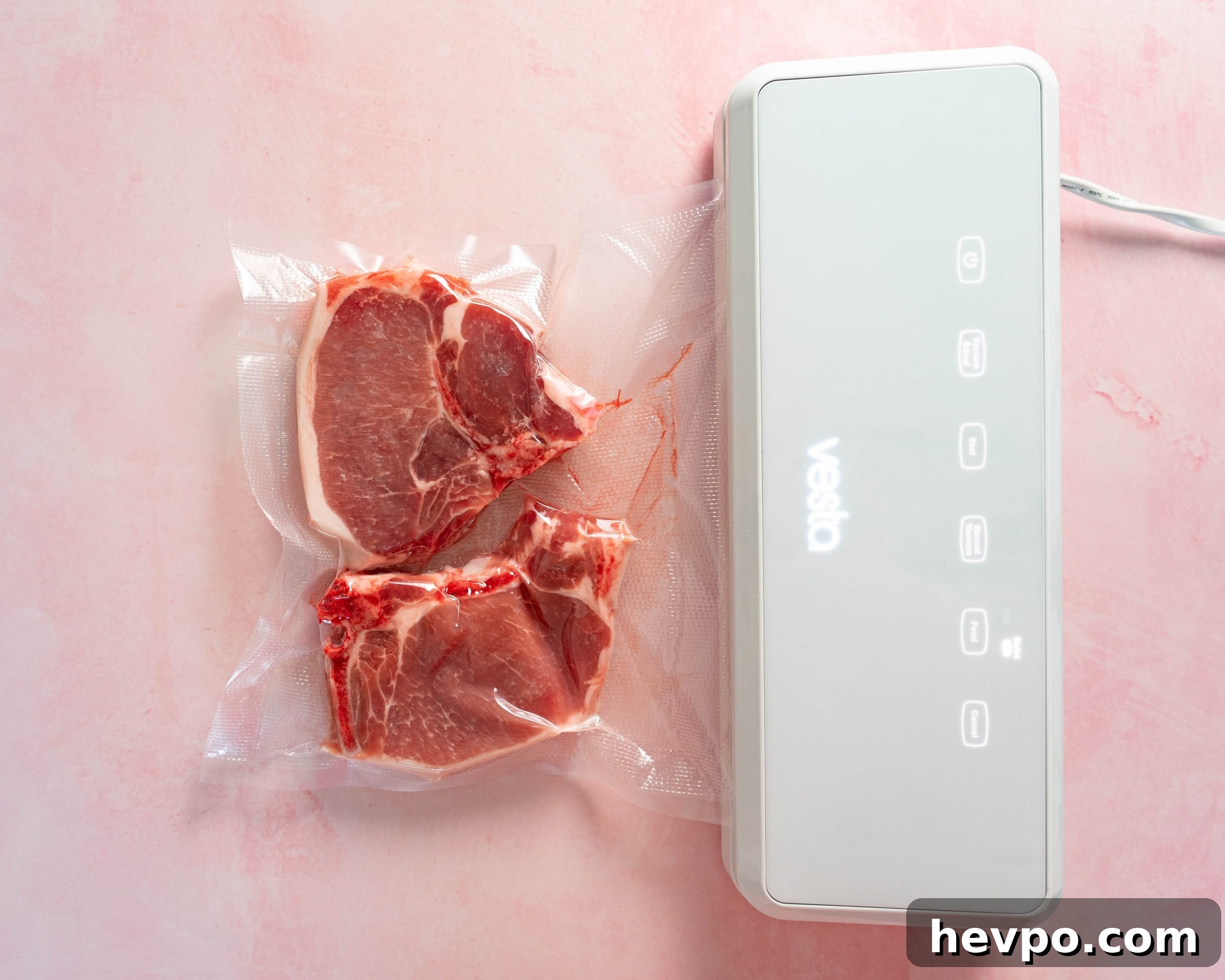
Sous Vide Air Removal Methods

How to Get a Great Sear on Sous Vide Steak
You can also view this content as a step-by-step web story for a visual guide to sous vide meal prep.